


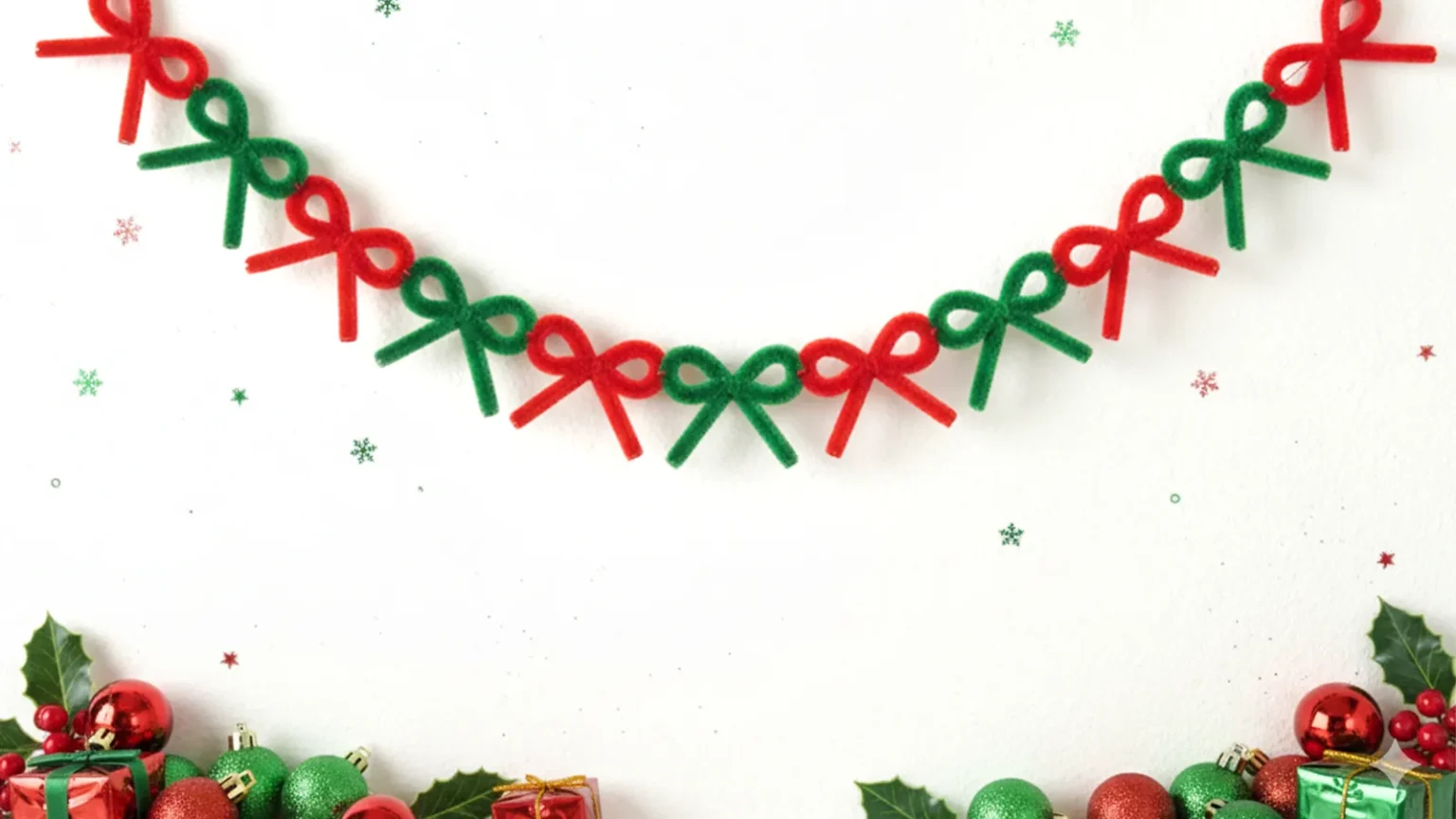
Pipe cleaners, with their fluffy texture and unlimited creative possibilities, are perfect materials for winter crafts and decorations. Among the many projects, the “bow chain garland” is ideal for Christmas. By simply twisting pipe cleaners to create ribbons and connecting them in loops, you can beautifully decorate your tree or walls.
This craft is easy enough for parents and children to make together while developing fine motor skills and color coordination sense. In this article, we’ll introduce materials, instructions, decoration tips, and safety guidelines for making a Christmas bow chain garland with pipe cleaners.
Table of Contents
Simple and Easy: Christmas Bow Chain Garland Made Only with Pipe Cleaners
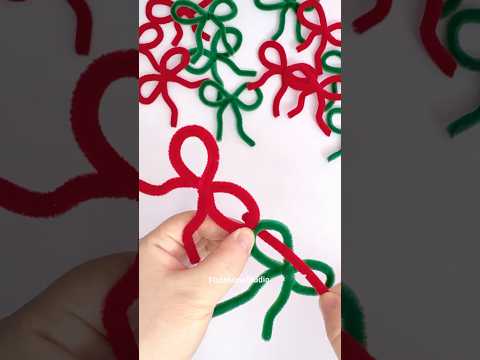
The “bow chain garland” made entirely from fluffy pipe cleaners requires minimal cutting and gluing, making it possible to instantly transform your room into a Christmas wonderland in just a short time. The basic approach is simple: create small “ribbons (bows)” and connect them together.
The materials are lightweight and safe, with quiet work involving primarily fine hand movements, making this craft perfect for home or childcare activities. In this article, we’ll clearly explain the necessary materials, foolproof instructions, age-appropriate safety tips, and creative variations.
What You’ll Need—Pipe Cleaner Thickness, Colors, Quantity, and Convenient Tools

The basic material is pipe cleaners only. Using standard-thickness pipe cleaners (approximately 6mm) in multiple Christmas colors like red, green, white, and gold makes it easy to create a festive color scheme.
A length of around 30cm per pipe cleaner is easiest to work with, using one cleaner per bow. For toddlers, choosing pipe cleaners with softer wire makes them easier to bend. Helpful tools include needle-nose pliers or tweezers to gently hold the ends and scissors to adjust length, but hands alone are sufficient for the basic project.
For safety, an adult should supervise scissor use, and cut scraps should be collected immediately. Using a craft tray or a mat with grid lines makes it easier to count materials and prevents pieces from getting lost.
Adding bells, small pompoms, or satin ribbon to the bows increases their beauty, but for children under 3, avoid small parts to prevent choking hazards and use larger decorations instead for safety.
For a child-sized garland (approximately 1 meter), plan on 20-30 pipe cleaners; for a longer garland to decorate doorways or walls (approximately 2 meters), use 40-60 cleaners. A color ratio of red 2: green 2: gold 1: white 1 creates a balanced appearance. Extra pieces can be reused for tree toppers or binding small objects. Organizing materials by color before starting prevents uneven color distribution.
Basic Instructions—Three Simple Steps to Create and Connect “Bows”
Step 1: Create the Center
Pinch the middle of the pipe cleaner and fold both sides back to create two small loops. Gently twist the base of the loops to secure the center knot firmly.
Twisting too tightly will pull out the fuzz, so “one twist” is the guideline.
Step 2: Shape the Loops
Match the size of both loops and use your fingertips to add roundness. Bring the remaining ends to the back and gently twist to hide them, which stabilizes the ribbon shape.
Step 3: Create the Chain
Make another identical bow with a new pipe cleaner, thread one loop through it, then twist the center to connect the loops into a chain formation.
Repeat “thread→twist→shape” to continue building. The key to connection is maintaining the same twisting direction each time and minimizing the number of twists.
When extending the length, review the shape every 10 bows and use tweezers to gently tighten any loose twists.
Pushing the center core inward with your finger adds dimension and improves the appearance. For safety, if any wire ends stick out, bend them inward or cover with tape to prevent skin irritation.
Toddlers should start with larger loops, and for children with stronger hands, use “one twist only” as your guiding principle to keep work tempo consistent and smooth.
Variations and Decoration Ideas—Color Design, Length Adjustment, and Learning Opportunities

For color schemes, the classic “red×green×gold” palette with white accents looks bright and elegant. Connecting three bows of the same color followed by one of a different color creates a rhythmic pattern that’s visually appealing.
Adjust the length based on where you’ll display it, and hang it using U-shaped hooks or painter’s tape at connection points to prevent falling. The garland works beautifully draped around Christmas trees, hung in zigzag patterns on walls, or framing doorways—the possibilities are endless. Extra pieces can be used as tags for small items or for reinforcing wreaths.
In terms of development, children gain fine motor skills, color sense, and pattern recognition abilities. Before starting, provide a “color and number instruction card” with specific missions like “repeat red 2, green 1, gold 1” to help maintain focus.
For cleanup, bundle materials by color and collect scraps in a clear bag. Implement safety measures such as bending wire ends inward and avoiding decorations under 3cm in diameter, with standards adjusted for age. Display finished work with title cards and names to boost children’s sense of accomplishment and self-worth.
Store in ziplock bags by loosely rolling rather than folding to prevent creasing. For transport, wrap around a cardboard tube to avoid wrinkles. After the holiday, remove bows and return materials to their original color groups for future activities, creating a sustainable, eco-friendly practice.
Age-Appropriate Techniques and Safety Measures—Fun and Safe for Toddlers Through Elementary School
Pipe cleaner crafts are soft and easy to handle, but because they contain thin wire cores, age-appropriate consideration is essential. For younger children, incorporating the craft as “copycat play” or “color sorting games” helps maintain focus.
Children ages 4-5 develop the joy of creating shapes with their own strength, and elementary school children learn through “construction play” like connecting pieces and adjusting length. Here are age-specific safety tips and guidance points for enjoying this craft.
Ages 3-4: Introduction as Fine Motor Training and Support
At age 3-4 (nursery school level 1), children simply enjoy basic movements like folding and twisting a single pipe cleaner. Rather than aiming for long chains from the start, use encouragement like “show me once you’ve made one” to build short-term success experiences.
At age 4-5 (nursery school level 2), expand the activity to focus on color differences and sequence. For example, setting simple rules like “make three bows in red→green→gold order” helps sustain concentration. For safety, wrap cloth tape around sharp pipe cleaner ends or use finger cots to prevent scrapes.
When adults assist with twisting, it’s important to respect the child’s hand movements and not over-help. Even short finished pieces have value, and the feeling “I did it myself” fosters creative motivation. Displaying work with name cards and celebrating effort boosts children’s sense of achievement.
Ages 5-6 to Early Elementary School: Building Construction Skills and Accomplishment
By age 5-6 (kindergarten), hand control becomes steady enough to attempt connecting multiple bows into “chains.” Focus on “making the same size bows” as the theme to develop observation and concentration.
In early elementary school, collaborative activities like dividing tasks among classmates work well. For example, setting a group goal like “each person makes one, then we connect them to surround the classroom” provides social development and a strong sense of accomplishment.
For safety, assign a “pipe cleaner collection crew” to immediately gather scraps and prevent choking hazards or floor hazards. After completion, let children choose where to hang the display to increase their sense of creative agency.
Additionally, measuring length and recording color sequences naturally incorporates math learning. Making cleanup time into “gallery opening play” keeps everyone smiling through the end.
Safety and Cleanup Habits—Environmental Setup Makes Crafting More Enjoyable
Creating a safe craft environment requires attention to work table height, lighting, and material storage. Since pipe cleaners are thin and roll easily, distribute them in shallow trays during work. When using scissors, create a “cutting station” and avoid sharing blades for safety.
After making the crafts, collect pipe cleaner scraps by color in a reuse box. When children develop the habit of organizing materials themselves, the cycle of “use→cleanup→reuse” becomes second nature. In schools or homes, posting visual rule posters enhances effectiveness.
Always have children wash their hands after the activity and check that no pipe cleaner fibers remain. These small considerations build awareness of “safe and fun crafting” and encourage enthusiasm for future projects.
Display Ideas and Creative Extensions—Enjoying the Crafts Beyond Completion and Practical Uses
The finished pipe cleaner garland changes in appearance depending on how and where you display it. Beyond simply hanging it on walls or shelves, adjusting its shape to complement trees, wreaths, or windowsills further inspires children’s creativity.
Additionally, developing the craft into play and learning activities enriches post-creation experiences. Here are practical display and application ideas adaptable to either home or school settings.
Decorating Spaces Beautifully—Different Impressions from Trees, Walls, and Windows

Because pipe cleaner garlands are lightweight and flexible, they can be displayed without pushpins or tape—a major advantage. When wrapping around a tree, drape it diagonally from the top for added dimension. For wall displays, hang the chain in wavy patterns and secure both ends with painter’s tape for safety and easy removal.
At windows, lightly secure with clear tape at several points and enjoy the fluffy texture of the pipe cleaners glimmering in sunlight. Adding small bells or cotton to the bow centers provides sensory experiences of sound and texture. Letting children choose where to display their own creation cultivates interest in space design.
Setting aside time after the activity to discuss “where looks most beautiful?” develops both observation and expression skills. When rearranging displays, have adults handle stepladders and high places to prevent falls and accidents.
Extended Activities—Developing Color and Number Learning Through Play
The finished garland also serves as a tool for play and learning opportunities. For instance, pose a “color sequence quiz” where you show a pattern and ask “what color comes next?” to practice sequencing and memory skills.
Measuring “how many bows equal one meter?” naturally develops number concepts and length understanding. Combining this with a color card activity to reproduce sequences introduces logical thinking. At home, you can extend play by using the chain as a “room divider” for pretend play or as a photo backdrop.
After the activity, ask reflection questions like “which color did we use most today?” to encourage thinking back on the creation. Through the complete process of making→displaying→playing→cleaning, children experience planning and accomplishment.
Seasonal Variations—Ideas Useful Beyond Winter
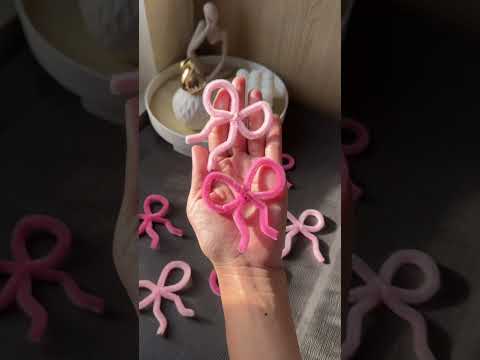
Pipe cleaner garlands work year-round, not just for Christmas. Spring brings “flower loop chains” in pink and light green, summer offers “wave chains” in blue and white, and autumn features “fallen leaf ribbon chains” in brown and orange.
Selecting colors and materials aligned with seasonal themes allows families and classrooms to enjoy creative activities throughout the year. Making new chains for each holiday helps children develop seasonal awareness as they experience environmental changes.
Additionally, unraveling used pipe cleaners for a “recycling craft” project cultivates appreciation for reusing materials. Photographing completed works by year and assembling them into a growth album facilitates sharing with families. Through repeated creation, decision-making skills in color selection, shaping, and placement naturally develop, expanding children’s artistic expression abilities.
Summary
The pipe cleaner bow chain garland is an accessible craft requiring minimal materials and preparation while fostering both creativity and accomplishment. By adjusting difficulty to match age and prioritizing safety, this project is enjoyable and secure for both home and school settings.
Displaying the finished garland brightens any space and gives children the joy of “creating the season” themselves. Including cleanup and material reuse as part of the complete process also nurtures respect for materials and resources.


