


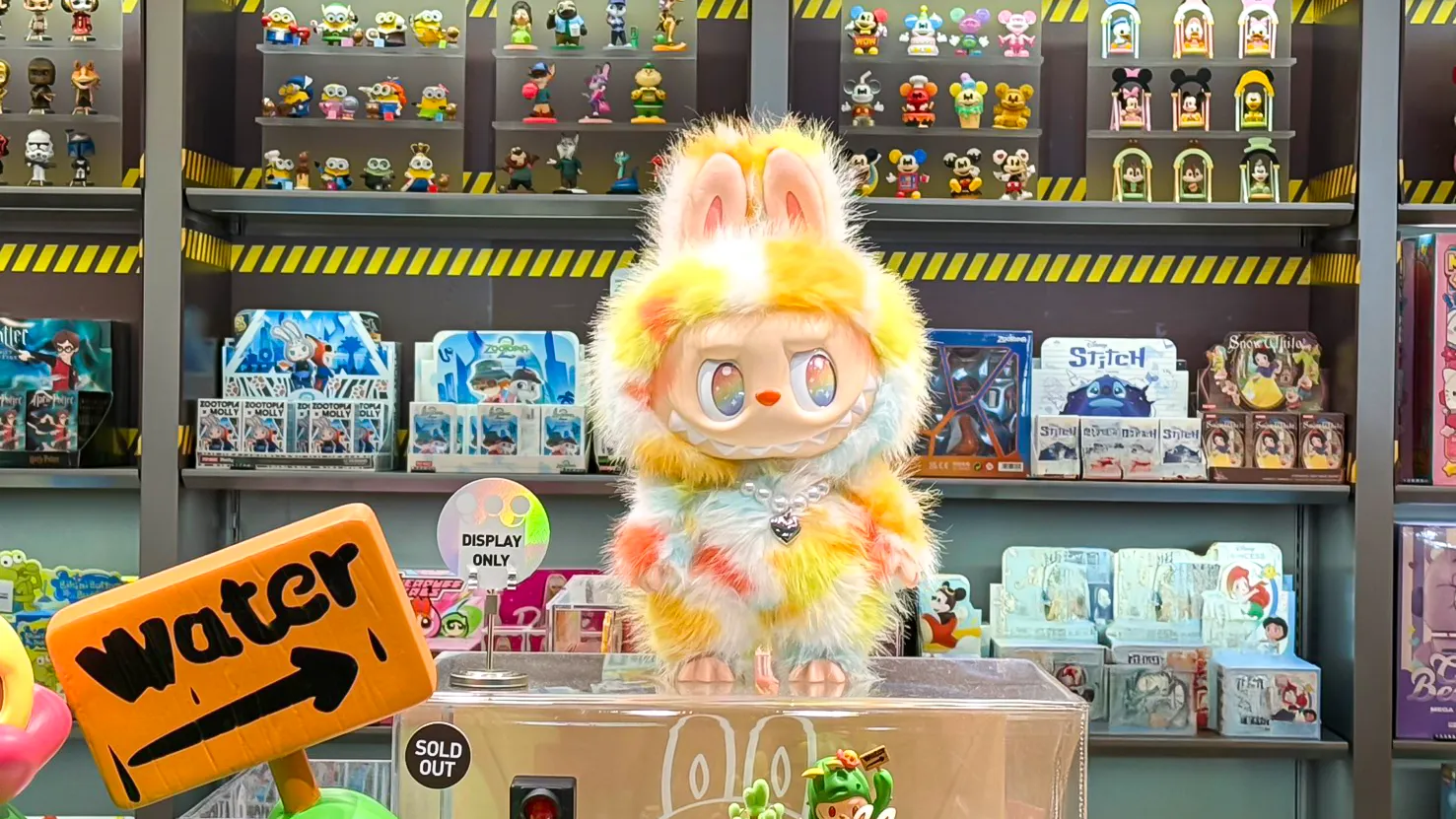
Labubu, a character figure rapidly gaining attention on social media and video platforms, has captured the hearts of audiences ranging from children to adults. With its distinctive expression that blends cuteness with a slightly eerie charm, and its high collectibility, it has evolved into a global phenomenon.
However, as its popularity grows, concerns about counterfeit products and high-priced resales have also emerged. This article explains Labubu’s appeal and popularity from a parent’s perspective, providing detailed guidance on how to enjoy it safely and how to identify genuine products.
Table of Contents
What is Labubu?
Labubu is a popular character created by Hong Kong-based art toy brand “How2work” and artist Kasing Lung. Its distinctive “ugly-cute” design and slightly mysterious, humorous world have attracted fans worldwide, particularly across Asia.
Many figures are palm-sized, offering the fun of collecting them like gacha capsule toys. On social media, collectors posting their collections under “#labubu” are rapidly increasing. As a bridge between art and pop culture, Labubu is loved by people of all ages, from children to adults.
Hong Kong-Born Character Taking the World by Storm

Currently sold exclusively by Pop Mart, it features a distinctive “ugly-cute” design with large ears and a mysterious, humorous world. Primarily sold in blind boxes (packaging where the contents remain unknown until opened), it offers an unboxing experience similar to gacha machines, attracting fans worldwide, especially in Asia.
With over 300 variations already released (ranging from 8cm to 79cm), collectors posting their collections under “#labubu” on social media are rapidly increasing. Loved by people of all ages from children to adults, it’s recognized as a bridge between pop culture and art.
The Secret Behind Its Uniquely Ugly-Cute Design
Labubu’s most distinctive feature is its “not cute but cute” unique design. Elements like large ears, nine jagged teeth, and sharp eyes combine to create a delicate balance that leaves different impressions on different viewers.
Kasing Lung has stated that he was influenced by stories, fairy tales, and Celtic mythology he read while growing up in the Netherlands, consciously incorporating “cuteness” and “eeriness” into his creations. Therefore, Labubu is not merely a mascot but an art piece expressing the “aesthetics of imperfection,” deeply resonating with modern sensibilities that find human charm and relatability in things that aren’t perfect—in things with flaws.
With abundant color variations and costume differences, over 300 variations have been released, and limited editions released each season continue to capture collectors’ attention.
Popular Not Only with Children but Adult Collectors Too
While Labubu wasn’t originally a children’s character, its artistic quality and playfulness have earned support across age groups. Among adult collectors especially, “toy hunting”—pursuing limited editions and collaborative models—has become a major boom.
In China and Japan, lottery sales and exhibition events are held, often selling out within minutes. Meanwhile, with expressions and rounded forms that are easily accepted by young children, the enjoyment of collecting and displaying them as parent-child activities is also spreading.
Furthermore, collaborative products with artists and fashion brands are increasing, with popularity expanding through designs that blend into daily life, such as plushies, apparel, and miscellaneous goods. Labubu has become more than just a toy—it’s an entity connecting art and everyday life.
Why Children Are Drawn to Labubu
While Labubu may appear to be a niche art toy for enthusiasts, it actually enjoys strong popularity among children. The reasons lie in the excitement of unboxing videos spreading through social media, the culture of collecting limited items as one’s “oshi” (favorite), and the small size and collectibility that make sharing easy among friends.
Beyond cuteness, the “fun of searching for rares” and “joy of finding your unique character” stimulate children’s curiosity. Here, we’ll explain the secrets of Labubu’s popularity from three perspectives: social media, oshi culture, and friend culture.
How Unboxing Videos Go Viral on Social Media

This surprise element creates excitement around “Will I get a rare one?” that attracts viewers. On YouTube and TikTok, numerous videos showing unboxing moments with colorful BGM and sound effects are posted, stirring children’s desire to “I want to try it too.”
The reactions of joy when pulling a rare item and rhythmically edited footage of hands opening boxes create strong impressions even in short durations. Many children who want the actual products after watching videos demonstrate how social media drives purchase intent.
Limited Appeal and the Permeation of “Oshi Culture”
Another charm of Labubu is that each series has different themes and designs, making it easy to find one’s “oshi” (favorite). For example, with seasonal limited series and collaborative versions offering different lineups each time, children are attracted by the limited feeling of “only available now.”
Oshi culture (activities supporting and collecting favorite characters) has permeated as an SNS generation culture, with enjoyment spreading through photographing and introducing one’s favorite Labubu or displaying them in dedicated cases. Additionally, the rich variety of character expressions—angry faces, smiling faces, crying faces—makes them easy to empathize with.
Children incorporate them into daily play by relating to emotional expressions, saying things like “This one matches my mood today.”
The Psychology of Wanting to Collect with Friends
Labubu’s palm-sized portability makes it easy to show and exchange among friends, another reason for its popularity. Being able to discuss “Which ones do you have?” or “Did you get a rare?” after school or lessons naturally becomes a conversation starter.
The blind box format means sometimes getting duplicate characters, but this “duplication” creates opportunities for communication through exchanging with friends. Psychologically, it fulfills the sense of belonging by satisfying desires to “become part of the group” and “share collections.”
Additionally, continuous series releases maintain anticipation for the next release, sustaining long-term interest. To avoid exchange troubles, parents should feel reassured by discussing rules like “one-for-one” and “both parties must agree.”
Latest 2025 Information and Hot Collaborations
In 2025, Labubu has expanded beyond art toys into fashion, events, and limited series. Collaborations with global brands like Uniqlo and Pop Mart have particularly attracted attention, with popularity expanding not only among collectors but the general public.
On social media, release information trends, with successive reports of sellouts and unboxing videos. Here we introduce the hot movements to watch in 2025, from everyday wearable collaborative items to the latest limited series.
Daily Fashion with Uniqlo × Labubu Collaboration
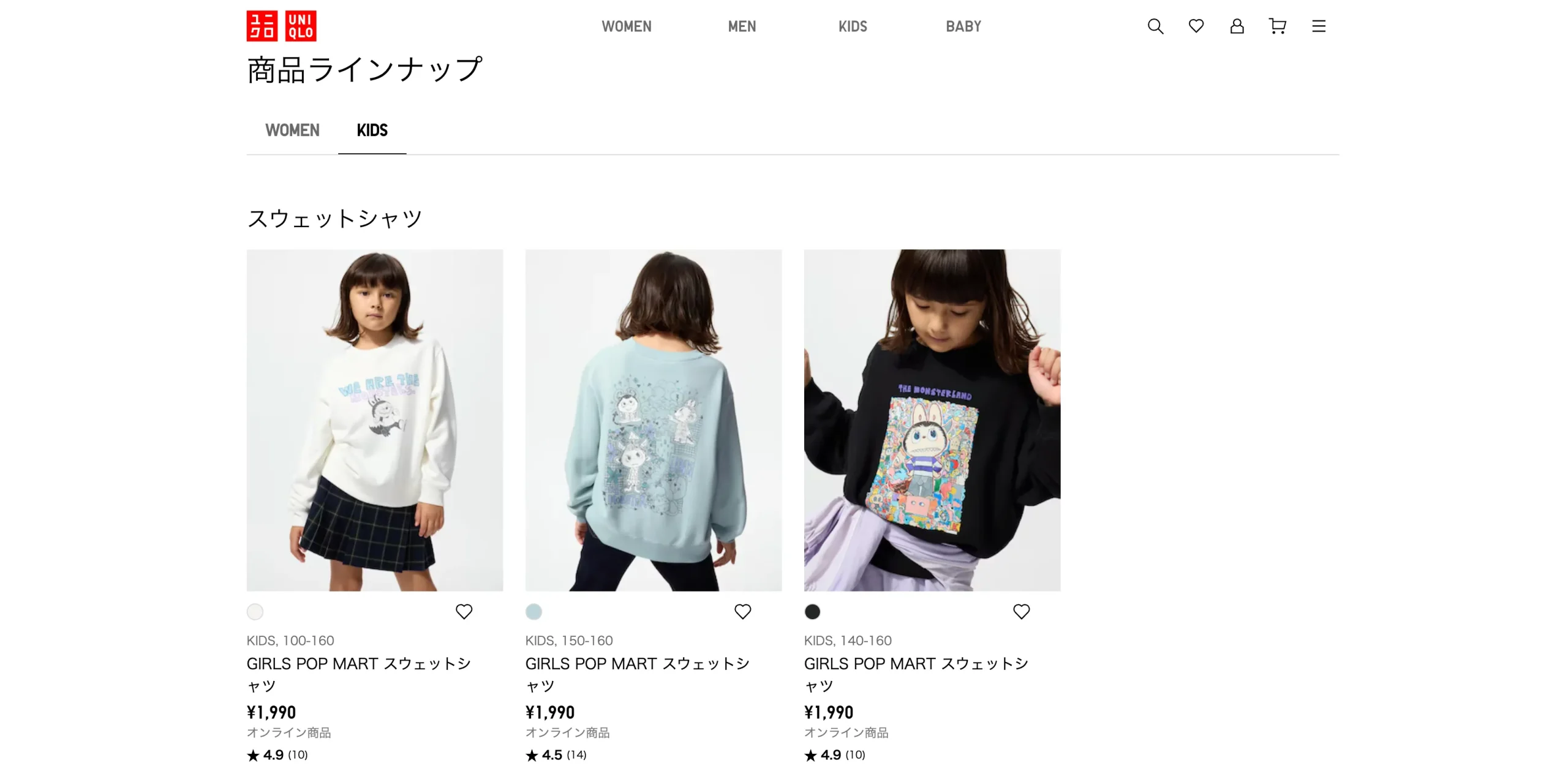
In August 2025, Uniqlo’s graphic T-shirt line “UT” and POP MART collaborated for the first time, releasing “THE MONSTERS” collection. T-shirts and sweatshirts feature designs where Labubu’s personality shines through simple styling.

The UT line featuring signature characters “Labubu” and “Zimomo” proved particularly popular, with many enjoying parent-child matching outfits. Widely available in Women’s (¥1,500) and Kids (¥1,990), the ability to casually enjoy art through fashion received acclaim.
For items that sold out instantly, made-to-order sales (September 1-7) were implemented online as a relief measure for fans. With sellouts immediately after opening at limited shops and wear by international celebrities and artists, the Uniqlo collaboration established a new style of “incorporating art toys into daily life.”
Pop Mart 15th Anniversary Series Making Headlines
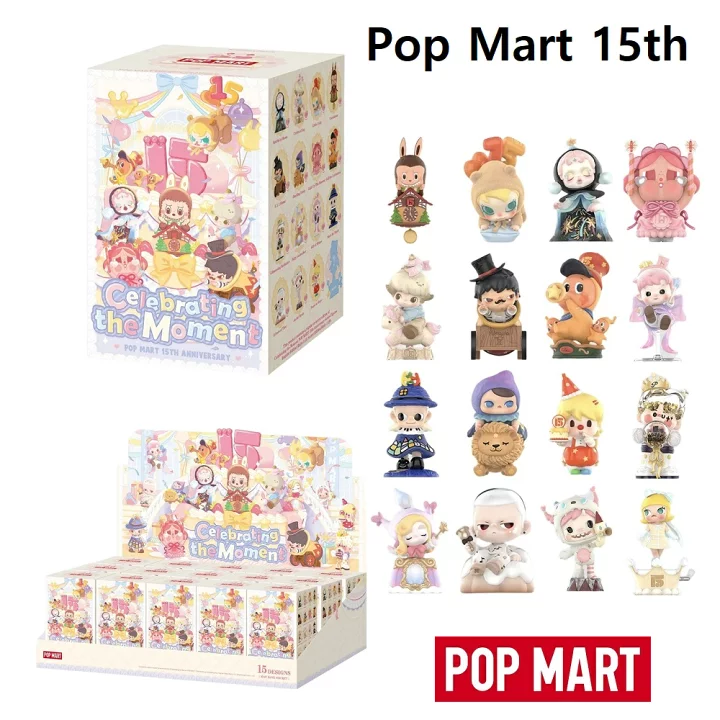

Composed of diverse designs, it’s called a “celebration collection” among fans. Additionally, commemorative events were held in Beijing, Shanghai, Seoul, and other cities, with giant Labubu displays and limited-time popup stores.
2025 also marks Labubu’s 10th anniversary, with the “THE MONSTERS 10th Anniversary” global tour starting in Shanghai expanding to major cities worldwide including Tokyo, Paris, and New York. On social media, posts like “Limited colors are too beautiful” and “Got 15th anniversary merchandise” have multiplied, with Labubu fever rising globally again.
Limited New Series and Release Schedule
Throughout the latter half of 2025, new series have been launching continuously.
In September, the “ROCK THE UNIVERSE” series was released, featuring tie-dye fur and a 37cm large size.

Additionally, the winter-limited “MEGA LABUBU TEC 1000% Winter Holiday” is scheduled for release on November 14, with a pre-Christmas reservation battle anticipated.
The Pop Mart official app offers lottery applications for popular products and restock notification features, so following the latest information helps avoid missing purchase opportunities.
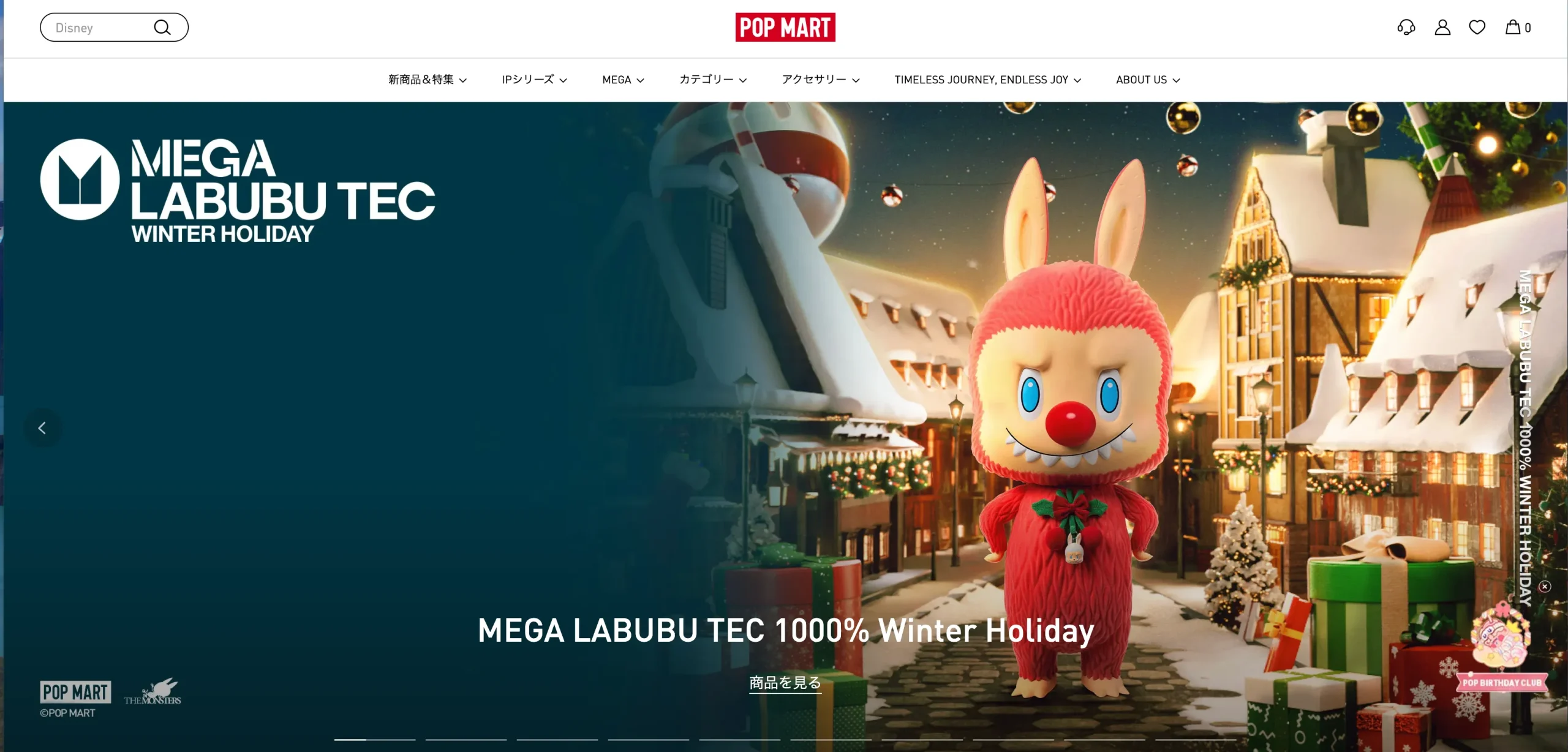

In Japan, direct stores like the Harajuku and Shibuya Parco locations, plus availability on Rakuten and Amazon exist. For safely purchasing limited items, using only authorized retailers or official online stores is reassuring.
Loved by Global Celebrities Too
Labubu has transcended art toys to become popular among global celebrities and artists. On social media like Instagram and TikTok, posts incorporating Labubu as photography props or displaying them as part of home interiors are rapidly increasing.
The spark igniting this trend came from influential figures in K-pop and international fashion. Here we detail BLACKPINK Lisa’s “oshi activities” as a catalyst, the ripple effect through influencers, and the new positioning in fashion scenes.
BLACKPINK Lisa’s “Oshi Activities” as the Catalyst
Labubu’s unique expressions and artistic quality overlapped with Lisa’s free and sophisticated image, garnering attention from both fashion and cultural perspectives. Furthermore, in August 2025, at BLACKPINK’s world tour “DEADLINE” London performance, Lisa appeared on stage in custom Labubu-motif costumes (designed by Brett Alan Nelson and Marco Monroe), reigniting global Labubu fever.
This sparked a culture among K-pop fans of carrying Labubu as “mascots representing their oshi,” evolving Labubu into a global pop culture icon.
Influencer × Labubu Synergy Effect
Labubu is loved by many influencers for its highly photogenic design. Particularly on Instagram, “Labubu photos” combining them with photogenic backgrounds have become popular, with trending styles of taking them to colorful rooms, cafes, and travel destinations.
“Unboxing videos” and “custom introductions” posted by YouTubers and TikTokers are also popular content, with “community culture” forming where fans interact through comments. Brand tie-ups are also active, with Labubu-motif products appearing across diverse genres including apparel, accessories, and interior goods.
Beyond visual appeal, its value as an “icon for self-expression” is rising, leading trends among the social media generation.
Status as a Fashion Item
In recent years, Labubu has penetrated fashion scenes as “wearable art.” Adopted for bag charms, keychains, and T-shirt designs, its unique presence fits both casual and high-brand styles.
Limited collections especially have realized collaborations with street brands and luxury brands, with the combination of design quality and rarity capturing fashion enthusiasts’ hearts. Additionally, exhibitions and popup shops offer styling proposals centered on Labubu, establishing a new culture of “fashion × art toys.”
Cute when children have them, distinctive when adults carry them—this multilayered appeal has elevated Labubu from a mere character to a “symbol of self-expression.”
Basic Information Parents Should Know
While Labubu has gained popularity among children for its cute appearance and high collectibility, it’s actually originally designed as an “art toy” for collectors. Therefore, understanding age recommendations, purchasing methods, and price ranges before enjoying it safely is important.
Particularly with blind boxes (random contents not visible), the gacha-like appeal also triggers psychology of “wanting just one more,” making family rule-setting crucial. Here we organize age guidelines, giving methods, purchasing mechanisms, and price ranges for parents.
Recommended Age and Appropriate Giving Methods (From What Age?)
Labubu officially has a recommended age of 15 and above. This is set to prevent accidental ingestion and injuries due to small parts and sharp molded sections.
However, in reality, many cases exist of children around age 10 enjoying collections with parents. When giving to infants or elementary lower grades, basics include “opening together” and “playing where adults can see.”
For display only, ages 3 and above can enjoy safely, but when touching, using small item cases or transparent covers provides reassurance. Incorporating staged involvement according to age—”handling independently,” “displaying together,” “following lending/borrowing rules”—cultivates responsibility and caring for possessions. Parent-child “collection play” managing together is also a good method.
Blind Box Mechanism (Gacha-Like System)
Labubu is sold through a “blind box” mechanism. Each box contains an unknown design until purchased and opened—a “gacha-like system” where contents are revealed only upon opening.
Each series includes 10-12 regular designs plus one “secret (rare),” with the fun of pulling this “hit” being a reason for popularity. Conversely, repeated purchases may yield identical designs, so setting purchase limits is important.
When children collect playfully, establish family rules like “one per session” or “explain why you want it before buying.” Recently “trading culture” has spread, but always having guardian confirmation for friend exchanges prevents troubles.
Labubu Purchase Methods and Pricing (What’s the Regular Price?)
Labubu can primarily be purchased at “Pop Mart” official stores, online shops, and popup events. Regular price per box is approximately ¥1,000-1,500 (yen equivalent), with “display boxes (12 pieces)” containing full series around ¥12,000.
Overseas-exclusive models and collaborative series often sell out immediately after release, with prices rising easily in secondary distribution (flea market apps), requiring caution. For first purchases, use regular stores or official EC sites to avoid counterfeits and resold products.
The Pop Mart Japan official app distributes release schedules and lottery sale information. When purchasing with children, utilizing it as opportunities to learn about handling objects and money through “within allowance” or “deciding display locations” is recommended.
Critical Safety Notices
While Labubu’s global popularity rises, circulation of imitation products (counterfeits) and similar toys not meeting safety standards has become problematic. Particularly during 2024-2025, the US Consumer Product Safety Commission (CPSC) and UK Chartered Trading Standards Institute (CTSI) issued official warnings about choking and hazardous substance risks from imitations.
While genuine art toys are designed for viewing, when children handle them, confirming safety standards, materials, and age recommendations is essential. Here we explain actual reported risks, safe selection methods, and points parents should watch carefully.
US CPSC and UK CTSI Warned Dangers of Imitations
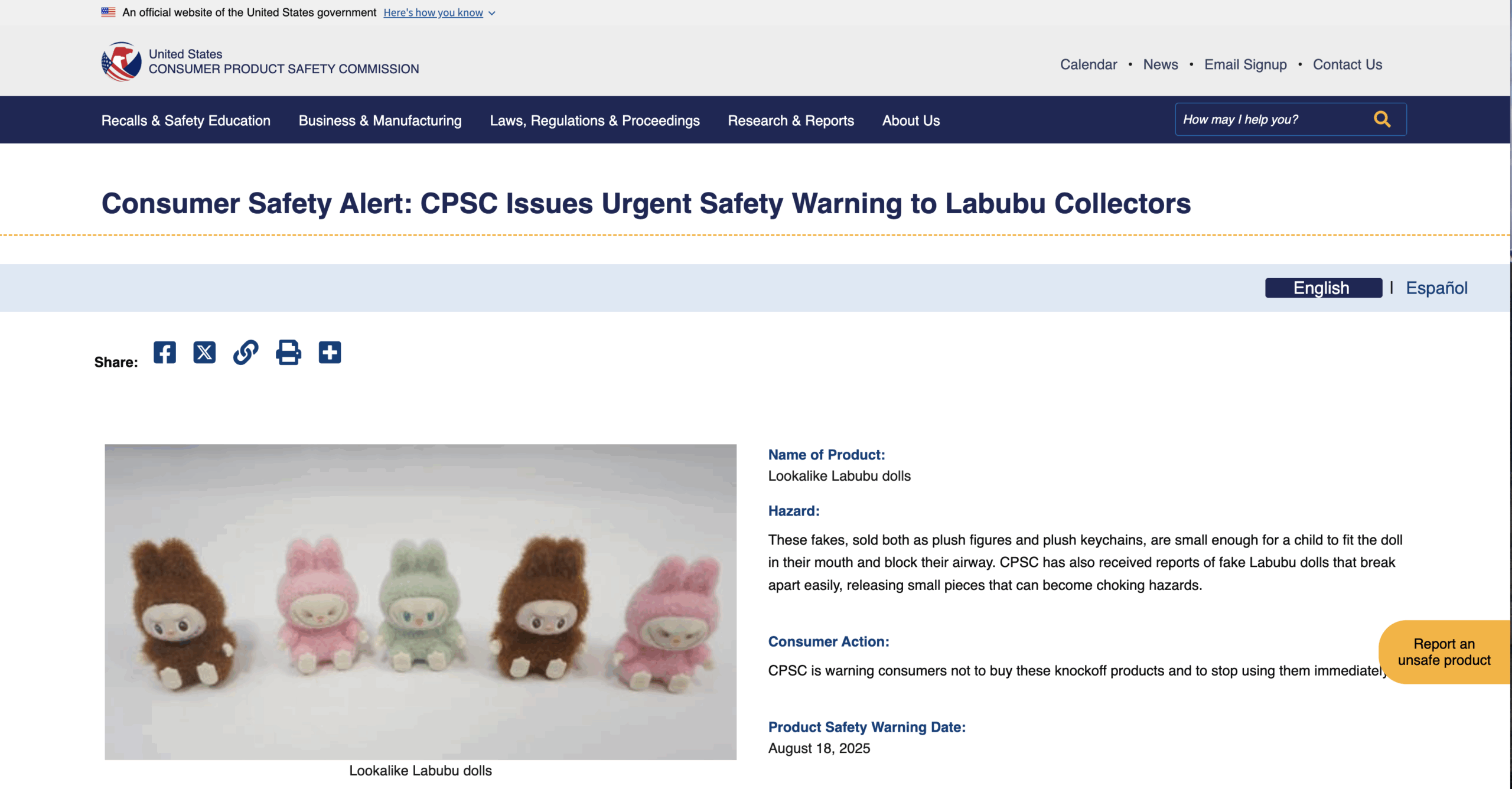
Consumer Product Safety Commission
In late 2024, US CPSC (Consumer Product Safety Commission) and UK CTSI (Chartered Trading Standards Institute) issued official cautionary statements regarding unofficial Labubu products sold online.

Most of these imitations are manufactured without authorization, confirmed to contain substances not meeting safety standards in paints, adhesives, and metal parts. Additionally, some counterfeits have sharp metal wires remaining inside or structures where eye and ear parts easily detach, posing ingestion and injury dangers.
Official Pop Mart and How2work brands explicitly state “purchases from non-official EC sites are outside warranty coverage.” Parents should avoid products with extremely low prices or outer boxes lacking logos and manufacturing numbers.
Choking and Hazardous Substance Risks (Especially Caution for Under Age 3)
Art toys like Labubu contain small parts and protrusions, posing choking dangers if accidentally swallowed. Especially for infants under age 3 who examine objects orally, managing them absolutely out of reach is crucial.
Additionally, some imitations have detected lead and phthalate plasticizers in paints, with possibilities of allergic reactions from skin or oral contact pointed out. Genuine products meet toy safety standards like European EN71 and US ASTM, but counterfeits don’t necessarily comply.
Safe handling includes thorough implementation of three points: “display for viewing,” “handle with guardian supervision,” and “check for damage if dropped.” When metal wires protrude from damaged sections, immediately dispose and ensure children don’t repair or glue.
Distinguishing Genuine from Counterfeit Products (Hologram, QR Code, UV Stamp Verification)

- POP MART hologram seal on outer box side or upper right back: High-quality hologram printing with 3D effect shining rainbow colors under light.
- QR code on box back: Scanning with smartphone links to authentication pages on official sites (fwsy.popmart.com or m-gss.popmart.com). Enter serial numbers to verify authenticity.
- UV stamp on sole (mainly right foot): Shining UV light reveals Labubu silhouettes (different patterns per model). This feature was introduced in newer models from late 2023 onwards and may not exist in early models (2019-2020).
- Left foot engraving: “POP MART” or “©Kasing” logos deeply engraved.
When these aren’t confirmed, or printing is rough with different positioning, counterfeit probability is high. When purchasing, use trustworthy routes like official online shops, authorized dealers, and department store popups.
When using resale sites, verify package details through photos, and requesting evidence images from sellers when unclear provides reassurance. Parents conducting purchase verification together protects children safely.
Summary
Labubu is a popular character combining artistry and playfulness, but when children handle them, thoroughly confirming “safety” and “purchasing source reliability” is essential. With genuine products, quality standards are clearly managed, allowing safe enjoyment of displaying and collecting.
Conversely, imitations and non-official route products may cause unexpected accidents or health damages. Always check identification like holograms, QR codes, and UV stamps, using official sales routes.
Additionally, blind boxes and limited editions require caution about “overbuying.” Parents and children establishing rules and sharing attitudes of “handling safely, enjoyably, and carefully” is the secret to long-term collection enjoyment. Labubu isn’t just a character—it’s an existence stimulating creativity and sensibility. While maintaining safety, enjoy the art toy world together as parent and child.


