


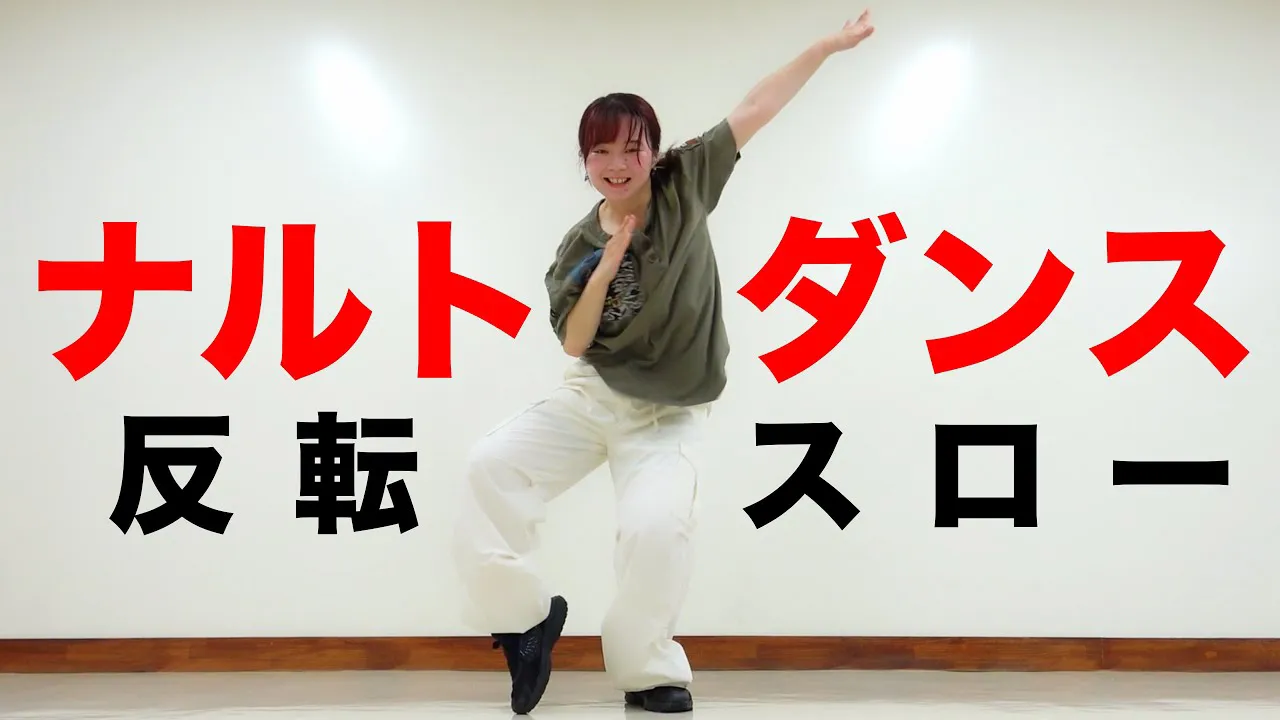
What Is the “Naruto Dance”? The Real Origin Behind the TikTok Trend
If you have seen people doing a knee-swinging, wrist-flicking dance and calling it the “Naruto Dance,” you are not alone. The trend has been spreading across TikTok and other social platforms, and many viewers have been wondering where it actually comes from.
Despite the nickname, this dance did not originate in the Naruto anime itself. What has gone viral is a Chinese dance meme known as Ke Mu San (科目三, “Subject 3”). The trend first gained momentum in China, then spread internationally after cosplay creators began performing it in Naruto costumes. As those clips circulated, many anime fans outside China started referring to it as the “Naruto Dance.”
This article explains where the Naruto Dance actually comes from, how it spread around the world, and why it became such a recognizable TikTok trend.
Table of Contents
The “Naruto Dance” Is Actually Ke Mu San
@fz9656
完整科目三
#队形科目三
#chinesedance
#dieunhaylangla
#haidilaodance
#ナルトダンス
@Fz粉子 @威的 @赐的 @黑的
♬ Original sound – fz粉子fan
The dance widely referred to online as the “Naruto Dance” is, more accurately, Ke Mu San (科目三), a viral dance meme that rose to prominence in China in the second half of 2023.
Its signature moves are easy to recognize: the knees swing side to side while the wrists flick rapidly in rhythm. Most videos use a DJ remix of the Chinese song “Yi Xiao Jiang Hu” (一笑江湖).
The connection to Naruto came later. Once cosplay creators began performing Ke Mu San in Naruto costumes, international viewers started associating the dance with the anime. In other words, the most accurate explanation is this: the “Naruto Dance” is Ke Mu San performed in Naruto cosplay.
Where Did Ke Mu San Come From?
A Wedding Dance Tradition in Guangxi, Southern China

Ke Mu San is widely believed to have roots in wedding celebrations in the Guangxi Zhuang Autonomous Region of southern China. In this region, it is common for the bride, groom, relatives, and guests to dance together during wedding festivities. Videos of this style of dancing began circulating online, and the unusual combination of knee swings and fast wrist movements quickly drew attention.
What made the dance especially memorable was its simple but distinctive motion. It looked easy enough to imitate, but unusual enough to stand out on short-form video platforms.
Why Is It Called “Subject 3”?
The name Ke Mu San literally means “Subject 3,” and its origin is often explained through a humorous local saying in Guangxi. According to this joke, there are three “subjects” a person in the region must pass in life:
- Subject 1: Singing folk songs
- Subject 2: Eating rice noodles
- Subject 3: Dancing
Because dancing was jokingly described as the “third subject,” this wedding-style dance came to be associated with the name Ke Mu San.
There is also another explanation sometimes mentioned online: that the phrase gained extra visibility after a video circulated of someone dancing in celebration after passing China’s driving test “Subject 3,” which refers to the on-road practical exam. Both explanations appear in discussions of the trend, and the exact naming history is not always presented consistently.
The Song Behind the Trend: “Yi Xiao Jiang Hu”

Most Ke Mu San videos use a DJ remix of “Yi Xiao Jiang Hu” (一笑江湖), sometimes labeled as a DJ drum remix or similar variation depending on the upload.
Why the Music Works So Well
The original song has a more reflective tone, but the remix commonly used in dance videos transforms it into something much lighter, catchier, and more rhythmic. That shift is a big part of why the trend works so well on short-form platforms.
The beat lines up naturally with the dance’s knee swings and wrist flicks, creating a loop that is easy to recognize and easy to imitate. Once viewers hear the track a few times, it becomes an immediate signal that a Ke Mu San-style video is about to begin.
This consistent pairing of sound and movement helped the meme spread across regions and languages. The track is also available through mainstream music platforms, and many lyric videos and commentary clips have helped push it even further.
How Ke Mu San Became a Global Trend
Ke Mu San did not become an international meme overnight. Its rise happened in several stages, moving from regional culture to platform trend to global internet phenomenon.
Stage 1: Early Spread on Douyin (Early to Mid-2023)
The dance first gained traction on Douyin (抖音), the Chinese counterpart to TikTok. Early videos used multiple songs, but by the middle of 2023, the DJ remix of “Yi Xiao Jiang Hu” had become the version most strongly associated with the trend.
This was the stage at which the now-familiar format of Ke Mu San began to solidify: a recognizable dance pattern, a repeatable soundtrack, and a style that ordinary users could easily copy.
Stage 2: Viral Acceleration Through Haidilao (November–December 2023)
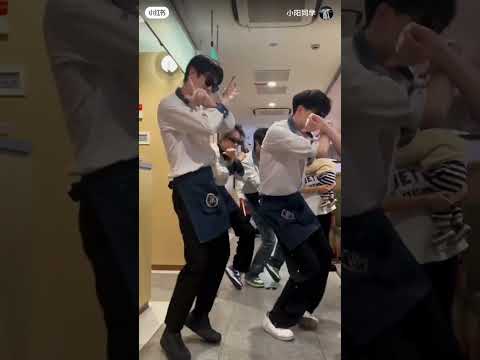
One major turning point came when videos of Haidilao (海底撈) staff performing Ke Mu San began spreading online in late 2023.
Haidilao is a major hot pot chain known for its highly attentive service, and in some locations, customers reportedly began requesting the dance. Clips of staff performances quickly drew massive attention on social media and helped push Ke Mu San far beyond its earlier online circles.
As more videos appeared, the trend expanded from a meme people watched on their phones into something people could also encounter in restaurants and public spaces. That real-world visibility gave it another layer of momentum.
Stage 3: Recognition as a Broader Cultural Phenomenon (December 2023)
By December 2023, Ke Mu San was no longer just a short-form video meme. It had begun appearing in more public and cultural contexts.
- On December 9, a performance of Ke Mu San appeared at the 2023 WDSF Grand Slam Final in Shanghai.
- On December 15, performers associated with the Bolshoi Ballet drew attention for including Ke Mu San during a curtain-call moment in Shenyang.
- On December 31, a mass-participation event in Shenyang reportedly attempted a Guinness World Record related to the dance.
By that point, Ke Mu San-related videos had accumulated enormous view counts across Chinese platforms, and the dance was widely described as a cultural phenomenon rather than a passing online joke.
Stage 4: International Spread and the Rise of the “Naruto Dance” Name (2024–2025)
@konako1017
木の葉が舞うところ 火も絶えない
#fz粉子
#narutodance
#ナルトダンス
♬ Original sound – Fz粉子
As the trend moved beyond China, cosplay played a major role in reshaping how international audiences understood it. Because Naruto remains widely recognized across countries and generations, videos featuring Ke Mu San performed in Naruto costumes were especially easy to identify and share.
Creators such as Fz Fenzi (Fz粉子) and others posted cosplay versions of the dance, and many viewers outside China interpreted those clips through the lens they already knew best: anime fandom. As a result, hashtags such as #NarutoDance and #ナルトダンス gained traction, and the nickname spread.

In Japan, the dance became increasingly visible from 2024 into 2025, especially among teenagers and general social media users. It was often referred to as either the “Naruto Dance” or the “Ninja Dance,” and a large number of related videos began appearing on TikTok.
The overall path can be summarized like this: Guangxi wedding culture → Douyin trend → acceleration through Haidilao → international spread through a shared soundtrack → rebranding as the “Naruto Dance” through anime cosplay.
Why Did the “Naruto Dance” Go Viral?
1. The Choreography Is Easy to Copy
The basic movement is simple: swing the knees side to side and flick the wrists in rhythm. That makes it accessible for beginners while still looking distinctive enough to feel entertaining on camera.
2. The Music Is Instantly Recognizable
The remix of “Yi Xiao Jiang Hu” is upbeat, rhythmic, and memorable. Because the music is so tightly associated with the dance, it helps viewers recognize the format within seconds.
3. It Became More Than an Online Trend
Once people began seeing the dance performed in restaurants and public spaces, it stopped being just a social media clip and became something participants could experience in person. That offline visibility fed more online sharing.
4. Naruto Cosplay Gave It a Strong Visual Hook
Adding anime cosplay made the trend even easier to share. For many viewers, seeing recognizable Naruto costumes immediately made the clips more clickable, more memorable, and easier to label.
5. It Crossed Language and Cultural Barriers Naturally
Dance travels easily across borders. People do not need to speak the same language to copy a short routine or respond to a catchy soundtrack. That made Ke Mu San especially well suited to global social platforms.
Summary
The dance now widely known as the “Naruto Dance” is not an original dance from Naruto. It is Ke Mu San (科目三), a Chinese dance meme with roots in wedding culture in the Guangxi Zhuang Autonomous Region.
After spreading on Douyin in 2023, the trend gained major visibility through Haidilao staff performances and continued to grow through repeated use of the “Yi Xiao Jiang Hu” remix. Later, cosplay creators performing the dance in Naruto costumes helped introduce it to international audiences, and that is how the nickname “Naruto Dance” became widely used.
So if someone asks what the Naruto Dance really is, the clearest answer is this: it is Ke Mu San, a Chinese viral dance trend that became globally recognized through Naruto cosplay videos.
For anyone who wants to explore the trend further, useful search terms include Ke Mu San, Yi Xiao Jiang Hu, Subject 3 dance, and Haidilao dance. Searching these terms will usually surface more original context than the “Naruto Dance” label alone.


