
Before choosing a gift for a children’s gift exchange in Japan, check three things with the organizer first.
- Is the budget a maximum or a target?
- Does the budget include wrapping?
- Are food gifts allowed?
If you don’t know who will receive your gift, look for items that don’t require a specific size or device, such as playing cards, origami paper, or colored pencils.
This article suggests gifts by activity, with cost examples that include wrapping. All prices include tax and come from the official MUJI and Daiso websites as of October 19–20, 2026. We have not checked in-store stock or whether each item actually fits in the bags listed.
Gift ideas and cost examples by activity (quick reference)
| Activity | Example item | Item cost | Example wrapping | Total purchase cost | Good for |
|---|---|---|---|---|---|
| Play | Playing cards | ¥110 | Paper bag (15 × 12 × 7 cm, pack of 3) | ¥220 | Kids who enjoy indoor games; events with many participants |
| Fold | Origami paper (50 colors, 50 sheets) | ¥110 | Gift bag with handles (22 × 28 × 9 cm, pack of 4) | ¥220 | Kids who enjoy crafts; events that include younger grades |
| Draw | Colored pencils (12-color set) | ¥490 | — | ¥490 for the item | Events where wrapping isn’t part of the budget |
| Draw | Colored pencils (12-color set) + drawing pad | ¥640 | Gift bag with handles (31 × 42 × 12.5 cm, pack of 2) | ¥750 | Kids who enjoy drawing, with a budget of up to ¥1,000 |
| Fold and draw | Colored pencils (12-color set) + origami paper | ¥600 | Gift bag with handles (22 × 28 × 9 cm, pack of 4) | ¥710 | Kids who enjoy making things and displaying them, with a budget of up to ¥1,000 |
*These are examples of what a family would spend when buying the items and wrapping new, in store. Which costs count toward the event’s budget depends on the organizer’s guidelines.
Editor’s note
A ¥490 set of colored pencils fits a ¥500 budget if wrapping is excluded. Add a ¥110 gift bag, however, and the total rises to ¥600. Checking the wrapping rule first can save you from having to choose again.
Table of Contents
Before you buy, check the rules on budget, wrapping, and food
Budget rules are easier to understand when you treat them as two separate questions: how the amount is set, and which costs count toward it. A phrase like “¥500 for the gift” doesn’t tell you whether that amount is a maximum or a target.
Check “maximum or target” and “wrapping included or not” separately
How the amount is set
- Maximum (e.g., “up to ¥500”): A gift in the ¥300 range still meets the rule.
- Target (e.g., “around ¥500”): The organizer has a price range in mind. A gift that costs much less may fall short of the organizer’s intended price range.
Which costs count toward the budget
- Gift only: Wrapping isn’t part of the budget.
- Wrapping included: Bags, ribbons, and similar materials count toward the budget.
“Up to ¥500, wrapping included” and “around ¥500, gift only” lead to quite different choices. It’s also worth confirming whether the amount includes tax.
Will you know who the gift is for, and which grades are taking part?
If each child is assigned a recipient in advance, you can choose based on that child’s interests. If gifts are allocated at random during the event or passed around, you won’t know in advance who will receive yours.
At an event that includes first through sixth graders, gifts that younger children can figure out right away tend to work well. For toys, also check that the recommended age on the packaging suits the children taking part.
Check whether food, handmade items, and multiple items are allowed
Whether you can include food, give something handmade, or combine several items differs from event to event. Rules vary by event, so check the organizer’s guidelines for the one your child is joining.
| Setting | What to check first |
|---|---|
| Gift exchange at gakudo (after-school childcare program) | The notice handed out, and the rules on food, toys, and writing names |
| Kodomo-kai (neighborhood children’s association) | Participating grades, exchange format, gift size, and budget range |
| Among friends | Whether recipients are decided, how food is handled, and what the families have agreed |
| When siblings also take part | Whether to prepare one gift per child, and differences in recommended ages |
If the notice still leaves you unsure, a message like the one below covers everything at once.
Sample message for the organizer
Does the budget include tax and wrapping? Is the amount a maximum, or should we aim to spend around that much? Are food gifts and sets of multiple items allowed? (In Japanese: プレゼントの予算は税込で、包装代も含めた金額でしょうか。「上限」か「その金額程度」かも教えてください。食品や、複数の商品を組み合わせる形は可能ですか?)
With ¥500, choose a small item with a clear use
With a ¥500 budget, the simplest approach is to pick one item whose purpose is obvious at a glance. If wrapping is included, set aside the wrapping cost first and choose a gift within what’s left.
Stationery and items for drawing
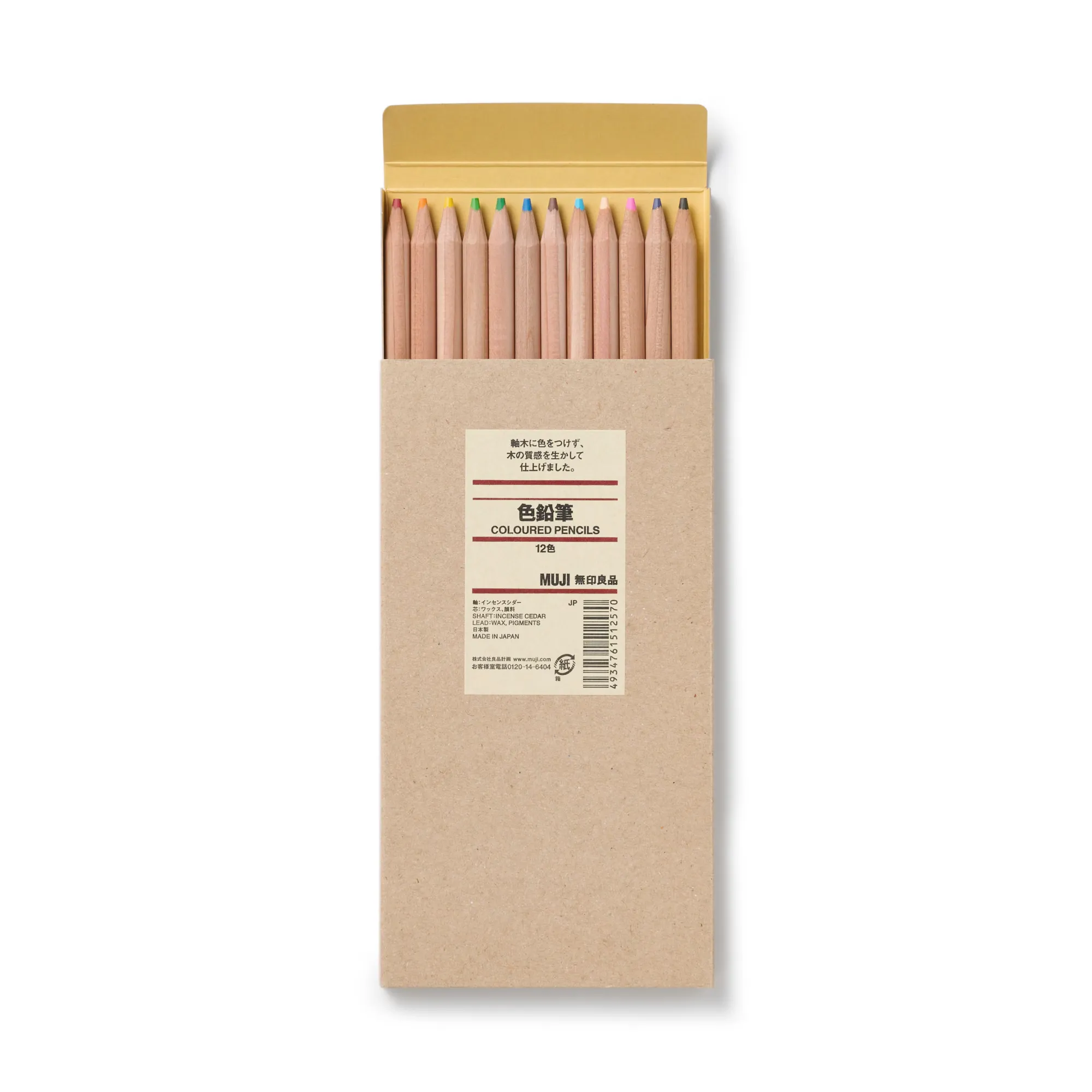
MUJI’s set of 12 colored pencils (色鉛筆 12色, item no. 61512570) costs ¥490. The product page also notes a recent price increase.
(Source: Colored Pencils|MUJI)
The set suits a child who likes to draw, but take care if wrapping is included. Adding a new ¥110 gift bag brings the total to ¥600, which goes over an “up to ¥500, wrapping included” budget. If wrapping isn’t part of the budget, the ¥490 set fits.
Some schools have their own rules about what stationery children can bring. Presenting the gift as something to use at home makes it easier for the child’s family.
Cards and other items that offer many ways to play
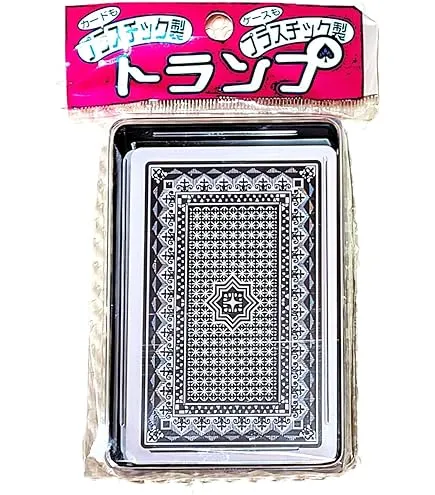
Daiso’s playing cards (トランプ〈プラスチック製、ケース付〉, JAN 4549131775976) cost ¥110 and are listed at 9.3 × 2 × 6.2 cm.
(Source: Playing Cards (Plastic, with Case)|DAISO Net Store)
A single deck supports many different games. Most are played with friends, but some, such as Solitaire, can be played alone.
(Source: Solitaire|Bicycle)
Not every child knows a card game, so a short note explaining a simple one can help them get started. Check the recommended age and any safety notes on the packaging when you buy.
For a child who enjoys crafts, origami paper is another option. Daiso’s 50-color origami paper (50色全部ちがうおりがみ, JAN 4549131540925) contains 50 sheets in 15 cm size and costs ¥110. Children can fold different designs and arrange them in a display.
(Source: Origami & Origami Cases|DAISO Net Store)
Cost examples with wrapping included
| Budget rule | Item | Item cost | Wrapping | Total purchase cost |
|---|---|---|---|---|
| Up to ¥500, wrapping included | Playing cards | ¥110 | Paper bag (15 × 12 × 7 cm) | ¥220 |
| Up to ¥500, wrapping included | Origami paper (50 colors) | ¥110 | Gift bag with handles (22 × 28 × 9 cm) | ¥220 |
| Up to ¥500, wrapping included | Colored pencils (12-color set) | ¥490 | Gift bag with handles | ¥600 (over budget) |
With a ¥500 maximum, a ¥220 gift still meets the rule. If the organizer asks for “around ¥500,” though, it may come in lower than intended. When a target amount is given, choose something closer to that price range.
With ¥1,000, pair a main item with what it needs
A ¥1,000 budget lets you pair a main item with something that goes with it. Choose items that work well together, such as colored pencils and paper.
Pairing colored pencils with a drawing pad
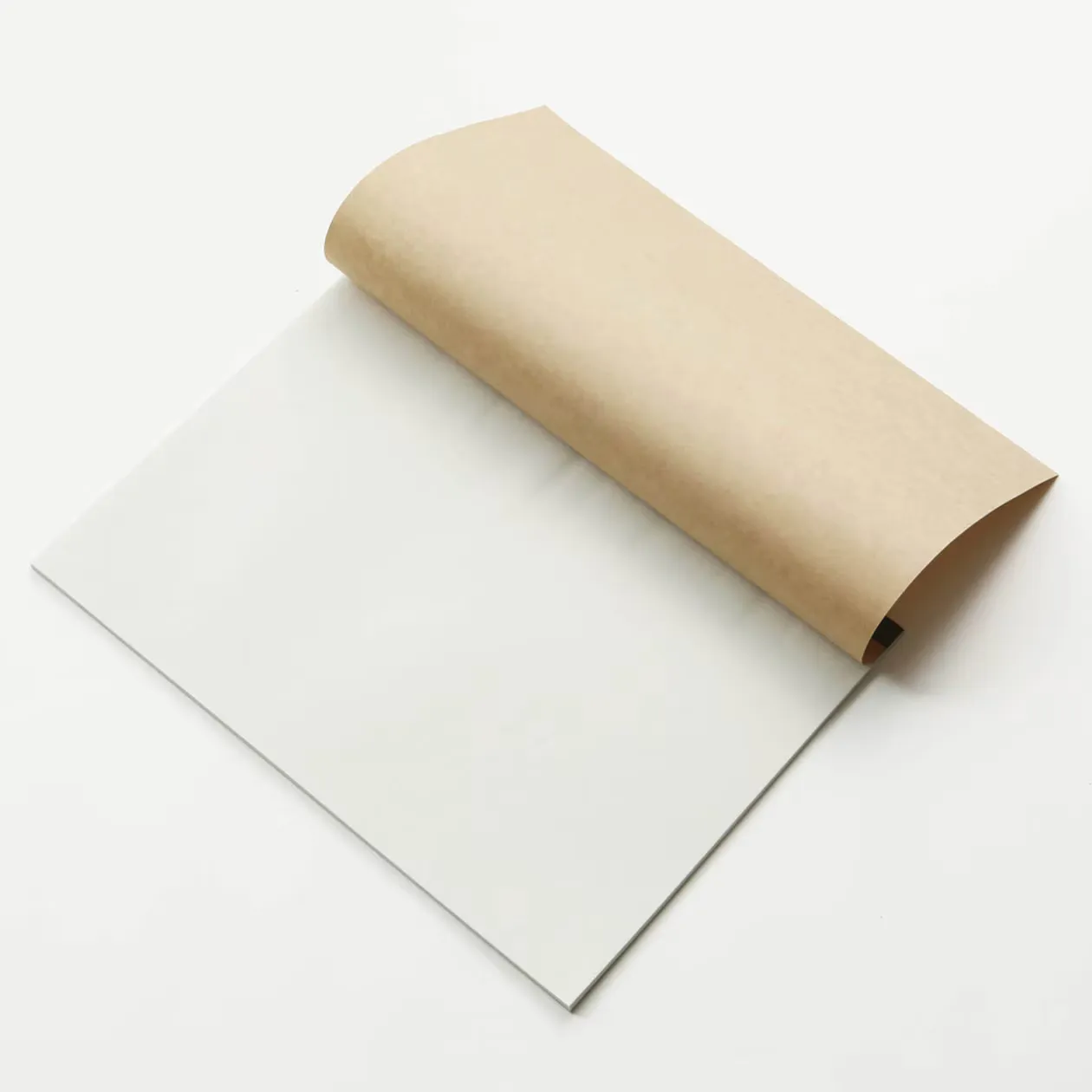
Pairing the 12 colored pencils (¥490) with MUJI’s drawing pad (らくがき帳, item no. 82111170; plain, B4, 40 sheets, ¥150) gives a child both the tools and the paper for drawing.
(Source: Drawing Pad (Rakugaki-cho)|MUJI)
The items come to ¥640. Add a new pack of gift bags large enough for B4 paper (31 × 42 × 12.5 cm), and the total is ¥750. This pairing suits a child who enjoys drawing, but if you don’t know who will receive it, it won’t be the right gift for every child.
Choosing craft supplies or small toys
For something beyond drawing, pair the colored pencils with the origami paper. Children can fold a figure and then draw a face or pattern on it.
- Items: ¥490 + ¥110 = ¥600
- Total with a new pack of 22 × 28 × 9 cm gift bags: ¥710
We haven’t confirmed the size of the pencil box, so check that it fits in the bag when you buy.
Toys that need batteries, separately sold parts, or a dedicated device can mean extra cost or setup for the child’s family. If you choose one, consider including what it needs, or switch to something with fewer requirements.
Don’t add items just to reach the limit
“Up to ¥1,000” is a maximum, so a ¥710 or ¥750 gift is perfectly fine. Adding loosely related items just to use up the budget can make it harder to tell what the gift is for.
If the organizer asks for “around ¥1,000,” however, keep their intended price range in mind.
Editor’s note
With a maximum budget, a gift with one clear purpose is a better choice than one padded out to reach the limit. Choose something the child can use without extra purchases or complicated setup.
If you don’t know the recipient, choose something easy to use
When you don’t know who will receive the gift, start by asking whether any child could use it right away. Items that don’t depend on size, a particular device, or a set number of players are easier to narrow down.
Look for items that don’t depend on size, scent, or devices
Whether the following items work depends on the child who receives them.
- Clothing or gloves: whether the size fits
- Scented stationery: people have different preferences and sensitivities to scents
- Items for a specific game console: whether the child owns that device
There’s no need to decide colors or types of play based on gender. At the same time, a simple item isn’t guaranteed to please everyone. Asking your child what kind of gift they’d be happy to receive can give you useful clues.
Check the organizer’s guidelines before including food
Even if the organizer allows food, whether the child who receives it can eat it is a separate question. Families handle food allergies in different ways, so think carefully before adding food.
In Japan, packaged processed foods are required to show when they contain specified allergenic ingredients. If the ingredients list and best-before or use-by date appear only on the outer package, don’t take out the individual packets; give the food in its labeled outer package. That way, the child’s family can check what’s inside.
(Source: Information on Food Allergy Labeling|Consumer Affairs Agency)
Editor’s note
If you don’t know the recipient, we suggest starting with non-food gifts, even when food is allowed. You can’t check in advance what the child can eat, and the gift may be opened at the event before a parent sees it.
Think carefully about mystery items and character-themed gifts
Blind-box items and merchandise from a particular series or character can be especially exciting for a child who loves them. If you don’t know the recipient, though, the gift may go to a child who doesn’t know that series.
These work best when you know the recipient’s tastes. Avoid choosing something only because it’s popular right now.
Check wrapping and preparation before the event to avoid going over budget or mix-ups
When choosing wrapping, check that the item fits and that the package is easy to carry.
Check the item’s dimensions before choosing a bag
Don’t assume an item will fit just from the size printed on the bag. For example, the B4 drawing pad (about 25.7 × 36.4 cm, or about 10 × 14.3 in) won’t fit in a small bag sized for playing cards.
The DAISO Net Store lists bags like these at ¥110 each.
| Wrapping item | Size | Quantity |
|---|---|---|
| Kraft paper bag (navy, gray) | 15 × 12 × 7 cm | Pack of 3 |
| Simple kraft gift bag with handles (vertical) | 22 × 28 × 9 cm | Pack of 4 |
| Simple kraft gift bag with handles (vertical) | 31 × 42 × 12.5 cm | Pack of 2 |
(Source: Boxes, Wrapping Paper & Paper Bags|DAISO Net Store)
These are suggestions based on the listed dimensions only. We haven’t checked whether each item fits with the bag closed.
For wrapping costs, keep your family’s actual spending separate from how the event counts the budget.
- If you buy a new pack of gift bags: your family spends ¥110 for the pack.
- If you use a bag you already have: there’s no extra cost.
- How the event counts wrapping: follow the organizer’s guidelines, separately from what your family spends.
- If you buy ribbons or stickers: add those to your spending.
Buying online works differently from buying in store. The DAISO Net Store requires a minimum order of ¥770 and offers free shipping on orders of ¥11,000 or more, excluding Okinawa and remote islands. Small orders may incur a shipping fee, and whether shipping counts toward the budget depends on the organizer’s guidelines. An item listed online may not be in stock at your local store.
(Source: Net Store Services|DAISO Net Store)
Remove price tags, but keep the product information that’s needed
Price tags are usually removed before giving a gift. Keep the instructions, recommended age, and safety notes, though. If you include food, give it in its labeled package.
Check the rules on names, anonymity, and numbers
Some events ask you to write a name, some use numbers, and some ask for nothing at all. Follow the instructions you’ve been given.
Carrying the gift in a separate bag from its wrapping helps keep the wrapping in good shape until the exchange.
Shopping and wrapping checklist
- Confirmed whether the budget is a maximum or a target, and whether it includes wrapping and tax
- Confirmed whether food and multiple items are allowed
- Checked the recommended age and whether anything is sold separately
- Checked that the item fits in the wrapping
- Kept the safety notes and instructions
- Checked the rules on writing names or numbers
Frequently asked questions about kids’ gift exchanges in Japan
- Q1. Does the gift need to cost exactly ¥500?
- If ¥500 is a maximum, there’s no need to hit it exactly. If it’s a target, choose something close to that amount.
- Q2. Does wrapping count toward the budget?
- It depends on the event. If the notice doesn’t say, ask the organizer.
- Q3. Is it okay to buy from a 100-yen shop?
- Yes, as long as the gift meets the rules. Not every item costs ¥110 with tax, though, so check each price tag.
- Q4. Can I put together several items?
- First, check whether the event allows it. If it does, items that go together, such as drawing tools and paper, make the gift easier for the child to understand.
- Q5. Can I include snacks or sweets?
- Besides whether the event allows food, consider whether the child who receives it can eat it. If you include food, give it in its labeled package.
- Q6. How do I choose if I don’t know the recipient’s grade or tastes?
- Choose something that doesn’t need to fit a particular size or work with a specific device, and that is easy to use.
Editor’s note
You don’t need anything special for a ¥500 or ¥1,000 gift exchange. Check the event’s rules, stay within the agreed budget, including wrapping if required, and choose something with a clear use. You can choose a thoughtful gift on a modest budget, and letting your child help pick it can make the wait for the exchange part of the fun.
Once you’ve confirmed the budget rules, set aside the wrapping cost first, then choose the gift. If anything is unclear, checking with the organizer before you buy will save you second-guessing later.
