
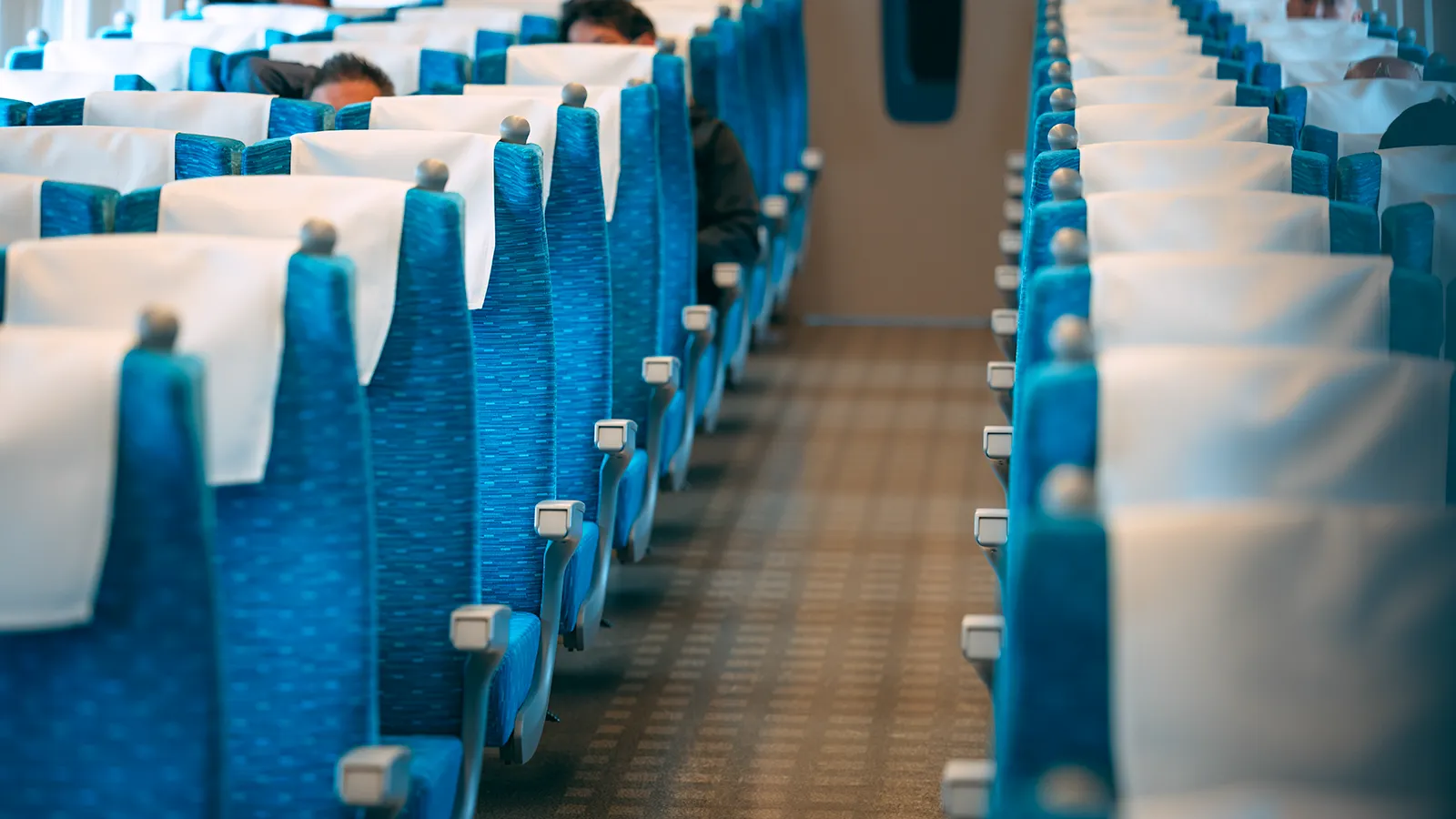
Title: Riding Japan’s Green Cars with Children! Explaining Fare Rules and Cost-Effective Usage Methods
Many people want to enjoy a comfortable journey in Green Cars with their children. However, it’s important to understand the rules in advance, as fare regulations differ depending on the child’s age.
In particular, you’ll want to understand the key points about fare settings for preschoolers and elementary school students, and how costs change depending on whether seats are used. This article provides a detailed explanation of the fare rules when riding Green Cars with children and methods for cost-effective family usage.

Table of Contents
Basic Rules for Children’s Fares on Green Cars
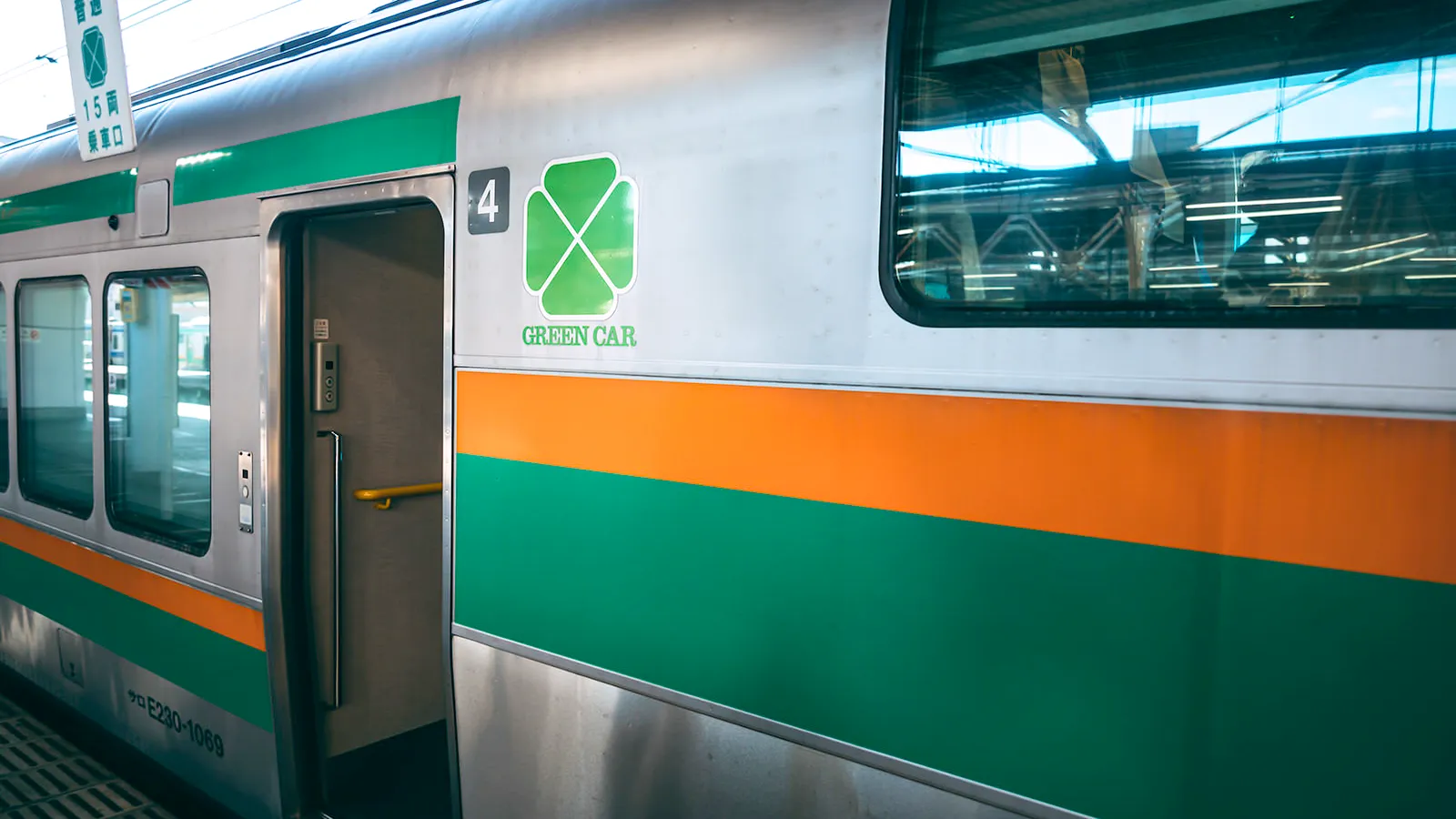
When using Green Cars, fares vary depending on the child’s age and the type of seat used.
Here, we’ll explain in detail how to calculate fares for preschool children and children in elementary school and above.
Fares for Preschool Children Under 6 Years Old
Preschool children under 6 years old are basically treated as “infants,” or “babies” if under 1 year old, and fares are determined based on the following rules:
- Free if not using a seat
- Charged if an infant occupies and uses one seat
- Charged from the third infant onward
- Charged if an infant travels alone
As a general rule, even in Green Cars, it’s free if the child doesn’t occupy a seat and is held on your lap.
However, if an infant occupies a seat, the “child fare” applies.
For basic fare tickets, limited express tickets, rapid train tickets, and reserved seat tickets, the charge is half the adult fare, but for Green Car tickets, Gran Class, sleeper tickets, and boarding arrangement tickets, the charge is the same as for adults.
Also, if an adult is traveling with 3 or more infants, the “child fare” applies from the third infant onward, and charges occur even if no seat is used.
Although not a common case, if an infant rides in a Green Car without adult accompaniment, a child fare is charged.
As you can see, whether it’s free or charged when riding Green Cars differs depending on the situation.
Reference: Welcome Suica for Children|JR East
How to Calculate Fares for Elementary School Children and Above
For elementary school students (6 years old to under 12 years old), the “child fare” applies, but there are several special rules for calculating Green Car fares.
Elementary school children purchase basic fare tickets and limited express tickets at half the adult price.
For example, when riding in a Green Car on a regular train, the child’s basic fare ticket is half the adult price.
However, when elementary school students use Green Cars, the Green Car ticket costs the same as for adults.
This applies to all Green Cars on regular trains, Shinkansen, and limited express trains.
For example, if a child uses a Shinkansen Green Car, they need “a child’s basic fare ticket (half price)” + “a child’s limited express ticket (half price)” + “a Green Car ticket at the same price as adults.”
“Child” basic fare tickets, limited express tickets, rapid train tickets, and reserved seat tickets are half the “adult” price. Fractions of 5 yen are rounded down.
Green Car tickets, Gran Class, sleeper tickets, and boarding arrangement tickets are the same price as “adults.”
Reference: Adults and Children|JR East
With these rules in mind, be sure to confirm Green Car fares carefully when planning family trips or travel.
Different Fare Settings for Shinkansen and Conventional Lines
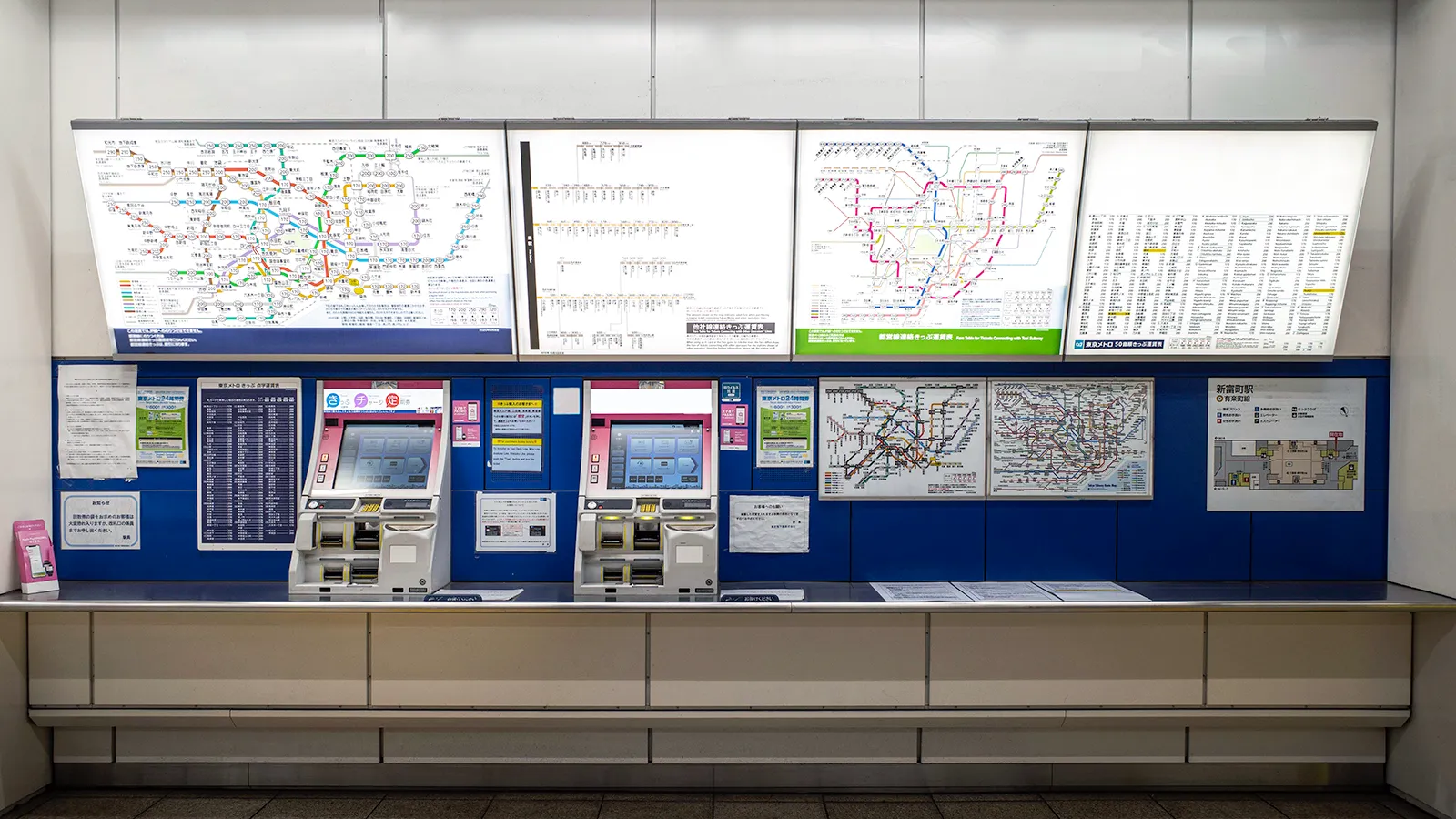
The Green Car fares explained earlier have different rules applied for Shinkansen and conventional lines. Both offer the appeal of comfortable seats and a quiet environment, but there are differences in children’s fares and fare settings.
Below, we’ll explain in detail the characteristics of Shinkansen and conventional line Green Car fares.
Fares When Using Shinkansen Green Cars
The child fare when boarding the Shinkansen applies to elementary school students (6 to under 12 years old), and the fare is half the adult price.
For example, when a child uses the Shinkansen, the “fare (basic ticket)” and “limited express charge” can be purchased at half the adult price.
However, for Green Car tickets, the same fare as adults is charged.
Green Car charges vary depending on the Shinkansen route and distance, but the same fare applies to children.
If a preschool child under 6 years old sits on an adult’s lap and doesn’t use a seat, it’s free.
However, if the preschool child uses one seat, a “child fare” is charged. Green Car tickets, Gran Class, sleeper tickets, and boarding arrangement tickets are the same price as “adults.”
Also, when using unreserved seats on the Shinkansen, elementary school students from 6 to under 12 years old pay the child fare, while infants from 1 to under 6 years old are free. Babies under 1 year old are also free.
Differences in Conventional Line Green Car Fares
Conventional line Green Cars also have a different fare structure from the Shinkansen.
In particular, for regular train Green Cars (unreserved seats), the following characteristics apply:
Elementary school students receive basic fare tickets at half the adult price, but Green Car tickets cost the same as adults, just like on the Shinkansen.
On conventional line Green Car unreserved seats, preschool children can use them free even if they occupy a seat.
This differs from reserved Green Car seats, as occupying a seat doesn’t incur charges, making it a cost-effective option.
However, during crowded times, if a preschool child occupies an unreserved seat, consideration for other passengers may be required.
Try to be considerate of those around you, such as by holding the child on your lap.
Since Shinkansen and conventional lines have different Green Car fare and usage rules, checking these rules carefully when traveling will enable smooth and cost-effective travel.
Points to Note When Using Green Cars with Children
When using Green Cars with children, showing consideration for others and being well-prepared will allow the entire family to travel comfortably. Here, we’ll explain countermeasures for when children become noisy and preparations for comfortable travel.
Countermeasures for When Children Become Noisy
Children becoming noisy can be a significant problem, especially in the quiet environment of Green Cars. Therefore, it’s good to prepare the following countermeasures in advance:
- Move to the deck
- Distract with snacks or toys
- Show them the view outside the window
If a child cries or becomes noisy, it’s recommended to move to the deck to reduce disturbance to those around you. The deck has slightly more spacious areas, so temporarily moving from your seat to calm the child is a good idea.
Especially long trips can feel boring to children. Therefore, it’s good to prepare and bring several favorite snacks or toys to keep the child from getting bored. Items that allow children to concentrate even briefly are very effective.
Also, showing them the scenery outside to capture their interest is effective. Especially in sections where you can see mountains or the ocean, you can calm them by enjoying the changing scenery.
Preparations for Comfortably Using Green Cars with Children
To spend time comfortably with children in Green Cars, conduct advance preparations and check the cars. It’s especially recommended to be conscious of the following points when making Green Car ticket reservations:
- Choose less crowded time slots
- Be strategic in seat selection
When making Green Car reservations, if possible, choose less crowded time slots or trains. Especially weekday afternoons or early mornings are relatively empty, making it easier to secure an environment where you can relax without worrying about others’ gazes.
On the other hand, during consecutive holidays or weekends and public holidays, crowding is expected, so having a simulation for showing consideration to others will provide peace of mind. Also, recently some cars have “family-dedicated cars,” so check for the availability of family-dedicated cars when making reservations.
Family-dedicated cars have an entire car exclusively for passengers with children, so compared to regular cars, there’s no need to worry if slightly louder voices occur or if crying happens.
Furthermore, beyond seat reservations, on trips with children, know the locations of toilets and washrooms in advance. Especially if it takes a long time to reach your destination, having toilets and washrooms near your seat means you can make effective use of the Green Car’s spacious areas and facilities to respond immediately to children’s sudden needs.
Conclusion
When using Green Cars with children, consideration for those around you and advance preparation are necessary. First, if children become noisy, take countermeasures such as moving to the deck, having them enjoy the scenery, and preparing favorite snacks or toys.
Also, having toilets and washrooms nearby makes it easier to respond to children’s sudden needs. By understanding these preparations and Green Car rules, you can comfortably enjoy traveling in Green Cars even with children.
