


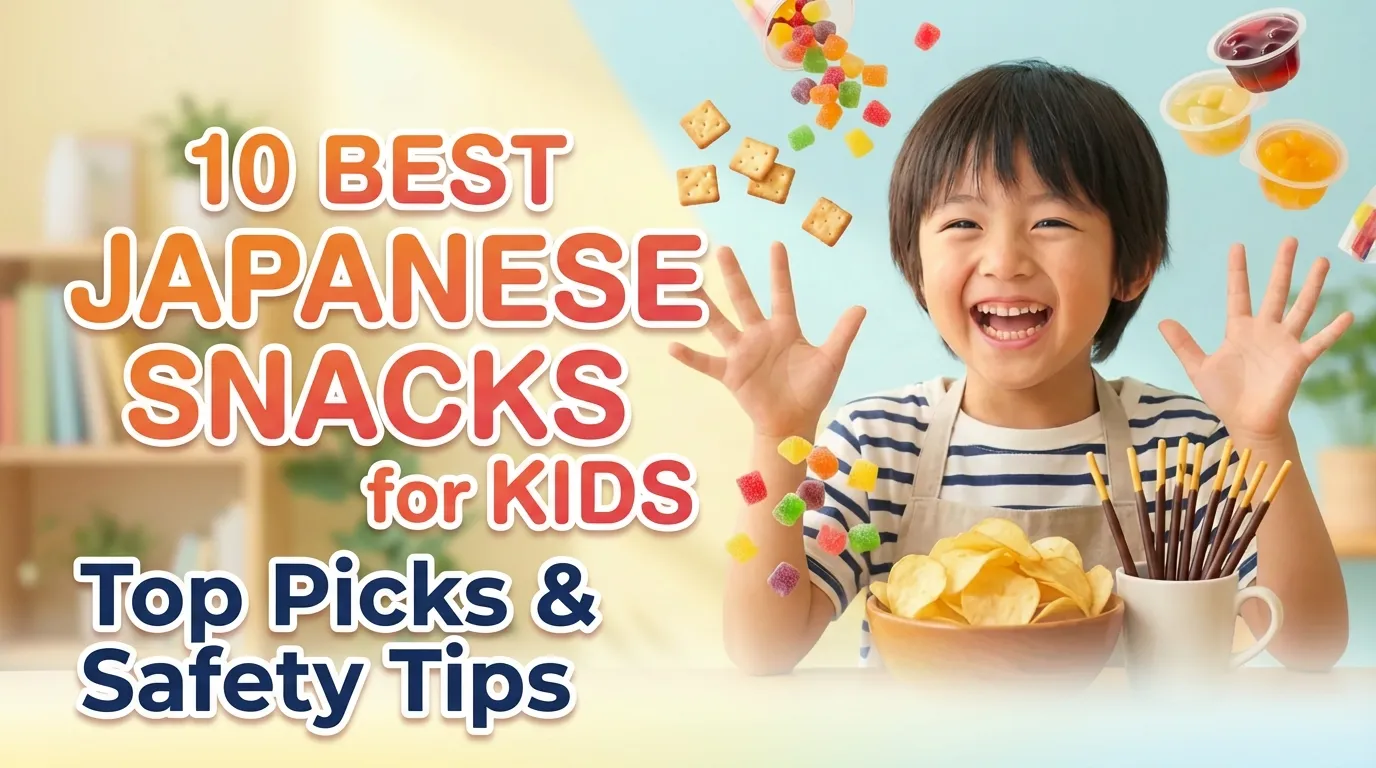
Navigating the world of children’s snacks can be a daily challenge, but exploring the top Japanese snacks for kids offers a unique blend of fun, innovative textures, and mindful eating. Balancing what kids actually want to eat with nutritional needs and dental hygiene requires practical, science-backed strategies. This comprehensive guide explores the top 10 popular Japanese kids snacks—from timeless favorites like Pocky and Jagarico to healthier, nutrient-enriched alternatives. Beyond just a list, we break down crucial age-specific snacking guidelines, including how to prevent choking hazards in toddlers and foster self-regulation in school-aged children. Supported by expert pediatric dental tips, you will learn how to establish healthy portion control and build positive eating habits that support your child’s well-being without eliminating the joy of treats.
Choosing the right snack for your child—whether for an afternoon treat, an on-the-go bite, or a lunchbox addition—raises many questions: What is actually popular? How much is too much? How do we protect growing teeth? This guide ranks the top 10 best Japanese snacks for kids based on current popularity trends, while also addressing age-specific recommendations and practical health strategies so every snack time can be both enjoyable and mindful.
Table of Contents
Top 10 Best Japanese Snacks for Kids: A Definitive Ranking
In 2026, children’s snack culture continues to evolve, yet timeless classics remain firmly at the top. From the satisfying crunch of potato chips to the chewy resilience of gummy candy and the ever-expanding world of innovative Japanese treats, these are the snacks that kids keep coming back to. Here is our definitive ranking of the most popular Japanese kids snacks—perfect for sharing, exploring, and enjoying at any time of day.
#1: Lightly Salted Potato Chips — The Undisputed King of Japanese Kids’ Snacks

Lightly salted potato chips are the absolute champion of the Japanese snack world. Their crisp, airy texture and perfectly balanced saltiness—letting the natural potato flavor shine through—create an irresistible eating experience that never gets old. Surveys and popularity rankings consistently show that these chips are a top pick at after-school gatherings and weekend snack times alike.
Their simplicity is their greatest strength. In recent years, a growing number of manufacturers have introduced potato chip varieties that are lower in additives, use cleaner oils, and contain reduced sodium—making them an increasingly attractive option for health-conscious parents. The moment you open a bag, the warm, savory aroma instantly captures kids’ attention and encourages the fun of sharing. As one of the best Japanese snacks for kids, lightly salted chips are the rare treat that feels safe, familiar, and universally loved.
#2: Jagarico (Salad Flavor) — The Crunchy Stick Snack Kids Can’t Put Down

Jagarico is a wildly popular Japanese snack featuring crunchy, baked potato sticks packed in a convenient cup. The salad flavor variety—subtly seasoned with carrot and parsley—has earned a devoted following among children and parents alike. The distinct snap-and-crunch texture is what sets Jagarico apart from ordinary potato chips, and kids simply cannot stop eating them once they start.
The cup-style packaging makes it easy to carry without mess, and the individual stick format means hands stay cleaner during outdoor play or car rides. Many parents note that even picky eaters who avoid vegetables will happily snack on the salad flavor, thanks to its mild, approachable taste. As a bonus, the empty cups are often repurposed for creative crafts—adding an extra layer of fun to an already beloved snack. Among popular Japanese kids snacks, Jagarico salad flavor is a consistent top performer.
#3: Poteco & Caramel Corn — Classic Japanese Puffed Snacks for All Ages

Poteco and Caramel Corn represent two contrasting yet equally beloved snack experiences. Poteco, a ring-shaped corn puff by Tohato, offers a satisfying crunch and the playful tradition of slipping the rings onto your fingers before eating—a ritual that delights children of all ages. Caramel Corn, on the other hand, melts gently in the mouth with a sweet, buttery flavor accented by a few peanuts tucked inside the bag, making it ideal for younger children who prefer softer textures.
Both are long-selling products from Tohato that have remained popular into the 2020s, proving their staying power as parent-approved, kid-adored treats. Whether your child craves something salty and crunchy or sweet and airy, this duo covers both bases and makes snack time reliably satisfying.
#4: Pocky & Toppo — Beloved Japanese Chocolate Stick Snacks

Few Japanese candy snacks for kids are as iconic as Pocky. These slender pretzel sticks coated in smooth milk chocolate offer the perfect combination of savory crunch and sweet creaminess—and because they come in individual sticks, they are naturally easy to share. Toppo takes a similar concept a step further by filling the entire stick with chocolate from end to end, ensuring every bite is equally satisfying. Toppo’s sealed design also prevents the chocolate from melting onto fingers, which is especially useful during warmer months.

Recent product innovations include ultra-slim varieties for a more refined experience and calcium-enriched kids’ editions that add nutritional value without compromising taste. The satisfying snap sound of breaking a Pocky stick has become a sensory hallmark of snack breaks, making these sticks a staple in school bags and lunchboxes across Japan—and increasingly, around the world.
#5: Chocolate Biscuits (Koala’s March & Tabekko Doubutsu) — Fun, Educational Japanese Candy for Kids

Koala’s March and Tabekko Doubutsu (Animal Crackers) transcend the ordinary snack by weaving learning and play into every bite. Koala’s March features small hollow biscuits filled with chocolate, each printed with a different koala illustration—sparking conversations about which character you found. Tabekko Doubutsu takes a similar approach with animal-shaped biscuits that display each animal’s name in both Japanese and English, making them a surprisingly effective vocabulary-building tool for young children.
In recent years, some brands have even introduced companion apps and digital content tied to their characters, appealing to today’s digitally native generation. The combination of crisp biscuit and sweet chocolate filling is perfectly calibrated, and the bite-sized format minimizes crumbles—a practical plus for busy caregivers. These are among the best Japanese snacks for kids who love a little storytelling with their treats.
#6: Gummy Candy (Fruit Gummies, Pucho & Haribo) — The Fastest-Growing Popular Japanese Kids’ Snack


The gummy category is experiencing its biggest growth surge in the Japanese snack market. From the fresh, fruit-forward taste of Meiji’s Fruit Gummies and the soft, layered chewiness of Pucho to the firm, satisfying resistance of Haribo’s bear-shaped gummies, the variety on offer is extraordinary. Increasingly, manufacturers are producing vitamin- and iron-fortified gummy products that allow parents to feel good about a snack that kids already love.
The chewy texture also delivers a developmental benefit: sustained chewing helps strengthen jaw muscles and supports oral motor development in young children. Resealable zip-lock packaging—now standard across most gummy brands—makes it easy to save the rest for later, reducing overconsumption in a single sitting. For parents looking for healthy Japanese snacks for toddlers and young children that still feel like a real treat, fortified gummies are an increasingly smart choice.
#7: Ottotto & Anpanman Snacks — Perfect Small-Bite Japanese Snacks for Toddlers

Among all healthy Japanese snacks for toddlers and preschoolers, Ottotto and Anpanman-branded puffs hold a special place. Ottotto features sea-creature-shaped corn puffs with hollow interiors—light enough for small mouths to handle safely and fun to identify before eating. Anpanman snacks leverage the immense popularity of Japan’s most beloved children’s character to deliver snacks that are genuinely tailored to young eaters: reduced sodium, incorporated vegetable powders, and textures appropriate for developing teeth and gums.
These small-format snacks also provide excellent finger-food practice for toddlers developing their pincer grasp. Individual single-serving packs make them convenient for outings, playdates, and fussy moments on the go. For caregivers prioritizing both safety and enjoyment, these snacks represent some of the most thoughtfully designed options in the Japanese kids’ snack landscape.
#8: Pretz & Crackers (Salad & Butter Flavors) — Versatile, Low-Key Japanese Snacks for Kids
Pretz pretzel sticks and plain crackers are the unsung heroes of the Japanese snack aisle—versatile enough to serve as a light snack or a mini meal complement. Glico’s Pretz in salad flavor delivers a savory, subtly herbaceous crunch that kids can munch through without getting bored. Crackers, meanwhile, lend themselves beautifully to creative toppings: a smear of cheese, a dollop of jam, or a slice of banana transforms a plain cracker into a parent-child cooking activity.
The growing availability of whole-grain and reduced-sugar cracker options reflects increased awareness of children’s nutritional needs during the growth years. Because these snacks are mild and non-addictive in flavor, they rarely trigger the “I want more” cycle common with heavily seasoned snacks—making them a practical staple for health-conscious households.
#9: Yogurt Tablets & Ramune Candy (Calcium-Enriched) — Smart, Nutrient-Boosting Japanese Candy for Kids
Ramune—Japan’s iconic fizzy, melt-in-your-mouth tablet candy—and yogurt-flavored confections offer a refreshing palate reset that kids genuinely enjoy. Many Ramune varieties are glucose-based, making them a popular pick-me-up during study sessions or active play. Calcium- and probiotic-enriched versions have become mainstream, establishing these candies as a dual-purpose treat that supports both enjoyment and health.
Yogurt-style tablets and chews deliver a pleasantly tangy, clean finish that works well as an after-meal dessert alternative. Some varieties feature fizzing or color-changing effects, adding an element of entertainment that captures children’s curiosity. These are some of the most innovative popular Japanese kids snacks on the market—combining sensory fun with genuine nutritional thinking.

#10: Jelly Pouches & Fruit Snacks — Hydrating Japanese Snacks for Active Kids

Individually packaged jelly snacks and fruit-based treats have become a go-to option—especially during hot weather and after physical activity when hydration matters. Products like Orihiro’s “Purunto Konjac Jelly” have pioneered squeeze-and-eat pouch designs that significantly reduce choking risks, reflecting Japanese manufacturers’ strong commitment to child safety. These innovations have made jelly snacks a much more parent-friendly category than in previous decades.
Newer entrants include intensely fruit-flavored jellies and freeze-dried fruit snacks that can be frozen into a sorbet-like treat. Concentrated-juice fruit gummies and fruit leather-style snacks appeal to families seeking more natural sweetness with fewer artificial additives. The ability to deliver fruit-adjacent nutrition in snack form makes this category one of the most exciting—and fastest evolving—in the Japanese kids’ snack market.
Healthier Snack Alternatives: The Best “Better-For-You” Japanese Snacks for Kids
Parental demand for snacks that combine genuine flavor with nutritional awareness has never been stronger. Japanese manufacturers have risen to the challenge, producing options that do not force children to choose between enjoyment and health. From vitamin-fortified sweets to baked, non-fried crunch snacks, these alternatives expand what “treat time” can look like.
Calcium, Iron & Reduced-Sugar Snacks: Nutrient-Boosted Options Worth Knowing
One of the most significant trends in the Japanese snack market is the rise of functional confectionery—treats that deliver a meaningful dose of nutrients children often lack. Calcium-enriched wafers and iron-fortified ramune tablets are among the most popular examples: they satisfy a sweet craving while quietly supporting bone strength and energy metabolism. Some products use oligosaccharides or natural low-glycemic sweeteners in place of refined sugar, reducing both cavity risk and blood sugar spikes after eating.
Most packaging clearly displays the nutrients contained per serving, which creates a natural opportunity for food education: parents can involve children in the selection process (“Today, let’s pick the one with calcium for strong bones”), building nutritional literacy from an early age. This is a practical, low-pressure form of food education that fits naturally into everyday snack choices.
Baked, Non-Fried & Whole-Food Snacks: Low-Fat Japanese Snack Ideas for Kids
For households watching fat intake, non-fried baked snacks are an ideal alternative. Japanese food technology has advanced significantly in this space, producing baked potato snacks with a genuine chip-like crispness at a fraction of the calories. Small dried fish (niboshi), roasted nuts, and dehydrated vegetable crisps have also expanded into more child-friendly formats, offering real-food nutrition with satisfying crunch. The act of chewing tougher textures increases satiety and helps develop jaw strength—a genuine developmental benefit.
A simple practical tip: mix a small portion of these whole-food snacks with a child’s regular chips or puffs. This gradual integration broadens their palate naturally, without turning snack time into a negotiation.

Jelly & Freeze-Dried Fruit Snacks as a Juice Alternative
When children reach for a sweet drink, high-fruit-content jelly pouches and freeze-dried fruit snacks offer a genuinely satisfying alternative. A jelly pouch made from close-to-100% fruit juice provides hydration alongside appetite satisfaction—far more effective at curbing the “I want more” cycle than a glass of juice alone. Freeze-dried fruit snacks, made using advanced dehydration technology, preserve much of the natural flavor and nutritional content of fresh fruit while delivering a pleasant, airy crunch that kids find genuinely appealing. Offering chilled jelly as an after-dinner dessert naturally reduces dependence on sugary beverages while making fruit consumption feel like a reward rather than an obligation.
Age-by-Age Guide: Choosing the Right Japanese Snacks for Kids at Every Stage
A child’s snacking needs evolve significantly from infancy through the school years. What is appropriate for a 2-year-old is very different from what suits a 9-year-old—in terms of texture, portion size, flavor intensity, and even the social context of eating. Understanding these developmental stages helps caregivers make smarter, safer choices at every step. Here is a research-informed breakdown of children’s snack guidelines by age group.
Ages 1–2: Safe Snacking for Toddlers — Preventing Choking Hazards & Controlling Salt

For toddlers between 12 and 24 months, choking prevention is the highest priority in snack selection. At this stage, swallowing and chewing coordination are still developing, and certain textures and shapes pose serious risks. Round, firm foods—whole grapes, raw carrots, whole nuts—should be strictly avoided. Instead, look for snacks that dissolve quickly in the mouth or have soft, easily breakable structures, such as baby puffs and rice cracker sticks designed for infants.
Because kidney function and digestive systems are still maturing, sodium and added sugar content should be minimal. Look for certified baby-friendly snack lines that incorporate pureed vegetables or calcium-rich ingredients in a non-fried format. Always portion snacks onto a small plate rather than allowing toddlers to eat directly from a bag, and ensure an adult is present and supervising throughout. These are the foundational children’s snack guidelines that keep the youngest eaters safe.
Ages 3–5: Building Chewing Skills While Managing Cavity Risk in Preschoolers
By age three, most children have a full set of primary teeth and significantly improved chewing ability. This is an excellent time to introduce slightly chewier textures—certain gummy candies and firmer puffs—that help develop oral motor strength. From a developmental psychology perspective, the act of chewing also supports focus and sensory regulation, which is why many educators and pediatric therapists encourage age-appropriate chewing challenges.
However, preschool age also brings increased exposure to cavity-causing treats through birthday parties, playdates, and social gifting. To prevent cavities in kids at this stage, establish a clear routine: no lingering over sweets, a drink of water or unsweetened tea immediately after eating, and teeth brushing as a non-negotiable follow-up. Xylitol-containing ramune tablets and sugar-free options can help reduce cavity risk without eliminating treats altogether. This is also the ideal age to begin teaching children that sweets are a sometimes food—a concept best introduced with consistency and warmth rather than restriction.
School Age (6–12): Teaching Self-Regulation Through Smart Snack Rules
As children enter primary school, they begin making independent snack choices—at school tuck shops, convenience stores, and friends’ homes. Rather than simply restricting access, developmental experts recommend using this stage as an opportunity to build genuine self-regulation skills. Allow children to select snacks within a set daily calorie or budget framework, read nutrition labels together, and discuss the trade-offs (“This one has more sugar, so let’s have a smaller portion today”).
Establish clear household rules that connect snacks to routines—homework first, then snacks; snack time ends before dinner preparation begins. These boundaries, when explained rather than imposed, have been shown to support healthier long-term eating patterns. At the social level, discuss allergy awareness and the etiquette around sharing food, particularly in school or club settings. Using snack time as a vehicle for nutritional self-awareness is one of the most effective long-term health investments parents can make during the school years.
Practical Strategies to Prevent Cavities in Kids & Avoid Snack Overload
Loving snacks and protecting your child’s health are not mutually exclusive. With the right structure, portion habits, and post-snack routines, treat time can remain joyful without compromising dental health or encouraging overeating. Here are the most practical, evidence-informed strategies for building a healthy snack culture at home.
How to Set Effective Snack Portion Rules Your Kids Will Actually Follow
Children find it easier to respect limits when those limits are visible and concrete. Rather than eating directly from a bag—which almost inevitably leads to overconsumption—portion snacks into a fixed bowl or plate before serving. A child who can see exactly how much they are getting is far more likely to feel satisfied than one who eats from an open package with no clear endpoint.
Establish a daily snack frequency—once or twice per day—and stick to it consistently. Many Japanese snack packages now include clear nutritional labeling, making it easy to set a rough calorie target of around 100–200 kcal per snack session for school-age children. When children understand the “why” behind limits and help set their own targets (within parent-defined boundaries), they develop the internal regulation skills that support lifelong healthy eating. Consistency from caregivers is the single most important factor in building these habits successfully.
Timing Snacks Right: How to Prevent Cavities in Kids Through Smart Scheduling
When children eat snacks matters just as much as what they eat. From a pediatric dental perspective, the safest time to offer sweet snacks is immediately after a main meal. Saliva production is highest during and just after eating, which helps neutralize acid and rinse the mouth naturally—reducing the window during which tooth enamel is vulnerable.
When offering an afternoon snack, keep eating time to 15–20 minutes maximum. Prolonged snacking extends the period of acid exposure on tooth enamel, dramatically increasing cavity risk. Bedtime snacking should be avoided entirely: saliva production drops significantly during sleep, removing the mouth’s primary natural defense against decay. These simple timing adjustments can make a substantial difference in long-term dental outcomes for children—even without changing what they eat.
Building Post-Snack Oral Hygiene Habits That Kids Will Embrace
After sweet or starchy snacks, rinsing the mouth is the fastest way to interrupt the acid cycle that leads to cavities. Thorough brushing is the gold standard, but when that is not possible—at school, in the car, during outings—a few sips of water or a quick swish-and-spit routine is meaningfully protective. Green tea, in particular, contains catechins with demonstrated antibacterial properties, making it a practical post-snack beverage for children over school age.
Many pediatric dentists recommend finishing snack time with a 100% xylitol tablet: xylitol actively inhibits the bacteria responsible for tooth decay and has strong research support as a cavity-prevention tool. Rather than framing teeth brushing as a chore, position it as part of the snack ritual—”snack first, then we do our mouth rinse”—so children associate eating treats with caring for their teeth. Positive associations built during childhood consistently translate into healthier adult dental habits. Small, consistent actions every day are what build a lifetime of strong, healthy teeth.
Final Takeaways: Building a Joyful, Health-Smart Snack Culture for Your Kids
Snack time is about far more than calories—it is a daily ritual that shapes how children relate to food, pleasure, and self-care. In 2026, the world of Japanese snacks for kids has never been richer, spanning timeless classics and innovative, nutritionally thoughtful options that genuinely excite young eaters. The goal is never to eliminate the joy of treats, but to provide a structure within which children can experience that joy safely and sustainably.
Use the rankings, age-specific children’s snack guidelines, and health strategies in this guide to create a household snack culture that works for your family. Let snacks be a source of connection, curiosity, and genuine pleasure—while the habits you build around them quietly support your child’s growth, dental health, and long-term relationship with food. Every mindful snack choice today is a small but meaningful investment in your child’s well-being tomorrow.


