
In the spring of 2026, “Heisei Retro” and “Heisei Girl” (late 90s to 2000s Japanese girl culture) items are making a massive comeback among elementary schoolers. Particularly prominent are sticker collecting, sticker trading, puffy stickers, and the nostalgic character goods and decoration culture familiar to the millennial parent generation.
To parents, these items are deeply nostalgic. To Gen Alpha, they are completely new, playful, and irresistibly cute.
This article breaks down 10 key “Heisei Retro” trends currently spreading among Japanese children. We explore the survey data and trend forecasts behind this analog revival, and provide practical advice on how parents can actively and positively engage with their children’s new interests.
Table of Contents
10 “Heisei Retro” Trends Sweeping Japanese Kids in Spring 2026
Today’s kids are captivated by the stationery and sticker culture that once obsessed the girls of Japan’s Heisei era. Let’s look at 10 specific keywords driving this trend.
1. The Main Event: 77.5% of Kids Are Hooked on Sticker Trading
Sticker trading is back in the spotlight during recess and after school. The culture of showing off collections and negotiating trades is a familiar sight for millennial parents. According to a survey by a children’s portal site, over 70% of elementary school students say they are “hooked on collecting stickers,” with detailed data suggesting the number is as high as 77.5%. The data also indicates that most kids who own sticker books actively participate in trading. For modern children, stickers are not just collectibles; they function as a vital communication tool to deepen friendships. (Reference: Nifty Kids Survey Report)
2. A Personal Treasure: Curating Sticker Books
Essential to sticker trading is the “sticker book” used to store the collection. These binders feature glossy, peelable pages where kids neatly arrange their stickers. This is more than just collecting. Many kids carefully arrange their stickers by theme, character, or color to make the pages look as cute as possible. With 100-yen shops now offering affordable and adorable sticker binders, the joy of creating a customized treasure book is highly accessible. Youth trend surveys frequently mention sticker exchanges and books, showing how the culture of slightly older generations is trickling down to elementary students.
3. The Runaway Favorite: Puffy and Drop Stickers
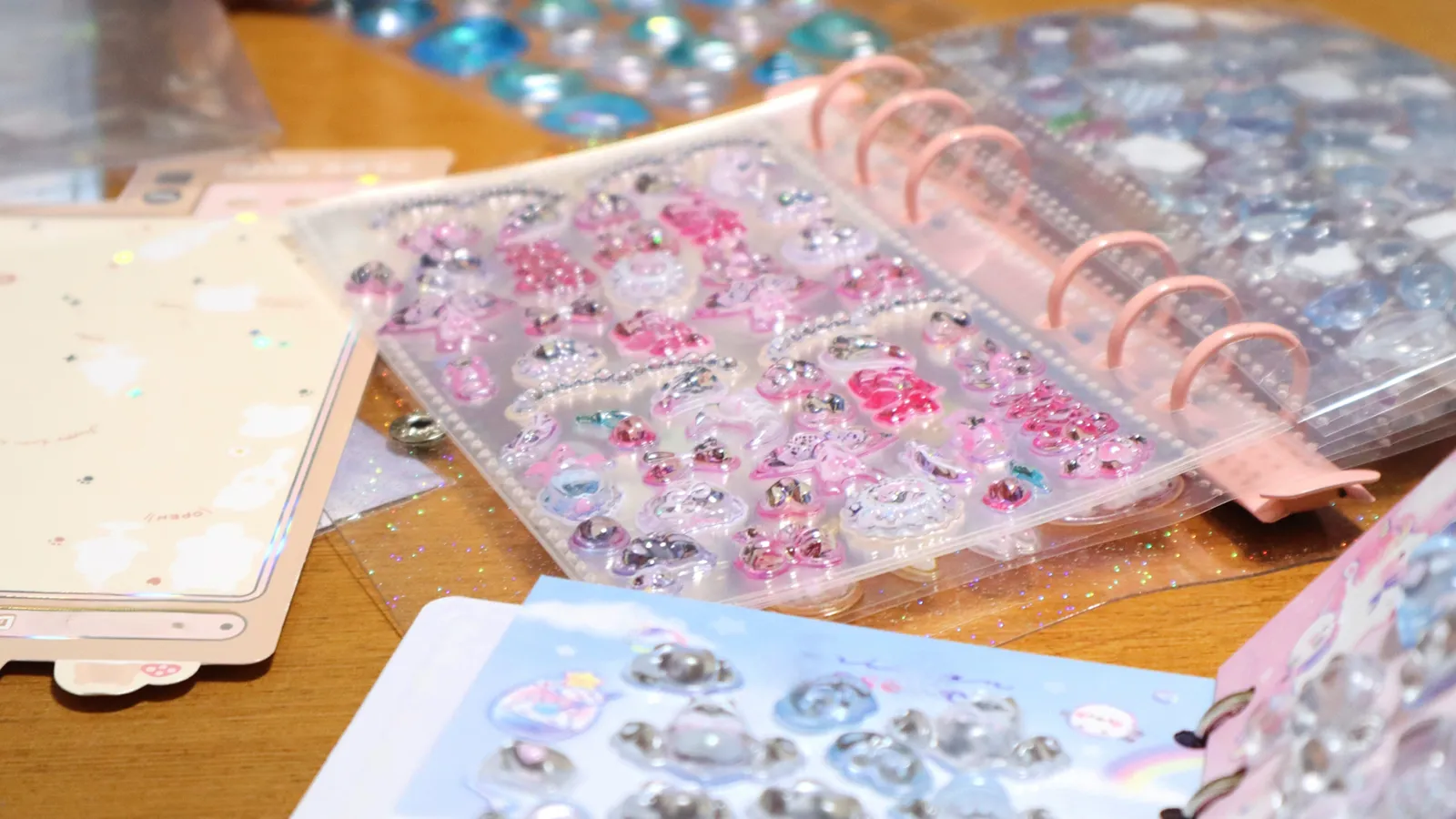
Among the vast array of options, “puffy stickers” and “drop stickers” are immensely popular for their 3D pop, glossy finish, and unique squishy texture. Nifty Kids’ survey ranks drop stickers, water stickers, and marshmallow stickers at the top, proving that their tactile appeal outshines flat alternatives. Furthermore, fashion magazines like VOGUE JAPAN highlighted “Bonbon Drop Stickers” in March 2026 as the forefront of sticker culture, showing they are now widely recognized as trend-driven, fashion-adjacent items. (Source: VOGUE JAPAN)

4. A Child-Sized Economy: The Culture of Exchange Rates
One reason sticker trading is so heated is the existence of “exchange rates”—a unique value system established by the kids themselves. Even for similar items, exchange rates naturally emerge based on size, holographic shine, character popularity, and rarity. For instance, “one puffy sticker equals three standard stickers.” The Nifty Kids survey confirms that children create and enforce these original rules. What may look like “just stickers” to adults often comes with its own rules of value, rarity, and negotiation among kids.
5. Y2K Skews Younger: 2026’s Focus on Retro Girls’ Culture
SHIBUYA109 lab., a youth trend research institute, highlighted “Heisei Girl Items” as a major focal point in its 2026 trend forecast. Up to around 2025, much of the Y2K conversation in Japan was closely associated with gyaru-inspired fashion and aesthetics. In 2026, analysts note a shift toward the softer, manga-inspired styles and cute accessories loved by tweens and teens of that era. While this forecast targets the 15–24 demographic, the wave is clearly influencing younger kids. The slightly retro, fancy designs millennial parents used are being embraced by today’s youth as fresh and innovative. (Source: SHIBUYA109 Entertainment)
6. Loving the Aesthetic: “Shojo Manga Core” Fashion and Goods
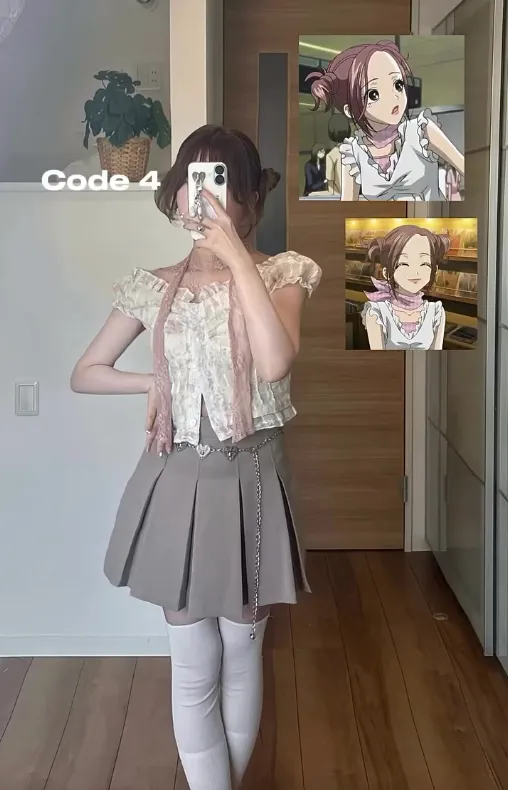
A key term for understanding this trend is “Shojo Manga Core.” This refers to a look inspired by classic girls’ comics: characters with large, starry, highlighted eyes, vivid pop color palettes grounded in pink and light blue, and fashion featuring ruffles and ribbons. SHIBUYA109 lab. cites this as a key 2026 trend. It is less about supporting a specific character and more about consuming the entire sparkling aesthetic, including letter sets and profile books. For kids, these items add a playful touch of dramatic flair to their daily lives.
7. Customizing Bags: The “Jara-Jara” Keychain Overload
Decorating backpacks and casual bags entirely with favorite items is another hallmark of this trend. The “jara-jara” (clinking) style of layering multiple large tin badges, acrylic keychains, and beaded charms is incredibly popular. This reimagines the 2000s trend of attaching massive clusters of phone straps to flip phones, repurposed by kids today for bag and clothing customization. SHIBUYA109 lab.’s forecast notes that this accessible form of self-expression is trending, as kids discover the fun of creating highly personalized, original accessories.
8. Mood-Boosting Toy Cosmetics
Rather than practicality or makeup finish, kids’ cosmetics satisfy the desire to own something cute and show it off to friends. Iconic motifs that thrilled girls twenty years ago—like lip balms shaped like candy or ice cream, and eyeshadow palettes resembling magical wands—are popular again. SHIBUYA109 lab.’s 2026 forecast also highlights toy-like cosmetics that double as bag charms. A defining feature of modern trends is the playful blurring of lines between practical goods and portable accessories.
9. Brands Jump In: Sanrio’s “Heart-Pounding Heisei Girl” Series
Major brands are actively capitalizing on this momentum, adding even more fuel to the boom. In March 2026, Sanrio launched the “Heart-Pounding Heisei Girl Item Series.” This line recreates the items that thrilled elementary schoolers decades ago with modern quality—including faux glass-gem sticker accessories, tile-sticker-style compact mirrors, and charms resembling nostalgic pixelated mini-game consoles. Prominently featured in adult lifestyle shops alongside kids’ stationery aisles, these items are highly popular as products parents and children can enjoy together.
(Source: Sanrio)
10. The Return of Narumiya Brands and Nostalgic Kawaii Characters
Character brands from Narumiya International, such as “Mezzo Piano” and “Angel Blue”—once status symbols for Y2K tweens—are back in the spotlight. Moving beyond apparel re-releases, campaigns bringing Narumiya characters closer to kids’ daily lives are rolling out, such as exclusive puffy sticker distributions at convenience stores in March 2026. While these designs evoke intense nostalgia for parents, kids view them simply as a genuinely “cute now” aesthetic that naturally sparks cross-generational conversations.
Why Does “Heisei Retro” Resonate With Modern Kids?
In a highly digital world, there are a few key reasons why slightly retro items and analog play have captured children’s hearts.
The Ultimate Connection: Nostalgic for Parents, New for Kids
A major factor is that parents and children can enjoy it together. The parents of today’s elementary schoolers grew up with these exact trends. This naturally sparks conversations: “Mom used to collect these too!” or “Wow, they had this back then?!” Bridging these perspectives makes parents more receptive to buying these items or visiting novelty shops together, turning weekend errands into enjoyable family bonding time.
Fresh Tactile Experiences for Digital Natives
For children who have grown up with smartphones and tablets as the default, interacting with physical objects is remarkably novel. Carefully peeling a sticker with a fingernail, the satisfying click of a binder ring, and the joy of directly handing an item to a friend—these are analog experiences that digital devices cannot replicate. As the Nifty Kids survey shows regarding the link between sticker books and exchange culture, play that involves physical touch and tangible collecting holds a unique appeal.
Highly Visual Aesthetics for Video Content
One modern reason this trend spreads so quickly is that these items look great in short-form videos. Flipping through a thick, well-curated sticker book or showing off a bag loaded with keychains is highly engaging visual content. While it is hard to pinpoint a single viral source, these items frequently appear in “pencil case tours” or “haul videos” on platforms kids frequent. This easily translates the digital “I want that!” impulse into real-world playground emulation.
3 Things Parents Should Know: How to Engage and Guide
While parents may want to warmly support their kids’ interests in these retro trends, it is natural to worry about potential playground conflicts or overspending. Here are three key points for parents navigating this space.
1. Validate Their World Instead of Dismissing the Trend
Just because parents lived through the original boom doesn’t mean they should use dismissive language like, “We had way more options in my day,” or “It’s just a recycled old trend.” To kids, these are entirely new, adorable discoveries.
Furthermore, trending items are crucial social currency at school or after-school programs. Respecting their worldview by saying, “These are so cute!” or “So this is what’s popular right now!” and showing genuine interest in their current hobbies is the key to maintaining a healthy parent-child connection.
2. Prevent Conflict: Discuss “Trading Rules” Together
The biggest area requiring parental oversight is the sticker trading culture. Conflicts over mismatched “exchange rates,” regrets over trading away a rare item on impulse, or demands to “give it back” are common in childhood social circles.
Establishing reasonable household rules beforehand—such as “Do not take them to school,” “Limit trades to a certain number per session,” or “If you are unsure, do not trade immediately; bring it home to think about it”—helps protect important friendships and teaches healthy boundaries.
3. Use Purchases to Spark Conversation, Not Just Accumulate
Because stickers and small accessories are relatively inexpensive, parents might easily fall into the habit of buying them constantly just because they are popular.
However, rather than focusing on completing collections, try asking questions like, “Which one of these is your absolute favorite?” or “What kind of stickers is your friend collecting?”
Using these items as a conversation tool to understand your child’s preferences and their social circle is far more effective than just buying things. It also serves as a great opportunity to practice managing a small allowance.
Conclusion: 2026’s Retro Boom is a Chance to Expand Family Conversations
Looking closely at the spring 2026 kids’ trends, it becomes clear that this is not just a vague “retro” boom, but a specific revival of late 90s and early 2000s Japanese girls’ culture—stationery, trading, and heavy decoration.
The momentum is especially strong around sticker exchanges, curated binder books, drop stickers, and cute accessories. Kids are not trying to “go back to the past”; they are actively blending these items with modern sensibilities, enjoying them as the freshest, cutest things available today.
As parents, the best approach is not to force our own nostalgia onto them, but to respect the new ways they are enjoying these trends and explore this world together. This weekend, why not visit a stationery or fancy goods store with your child, laugh, and say, “Mom used to have this exact same thing”? It will surely spark lively, out-of-the-ordinary conversations.
