
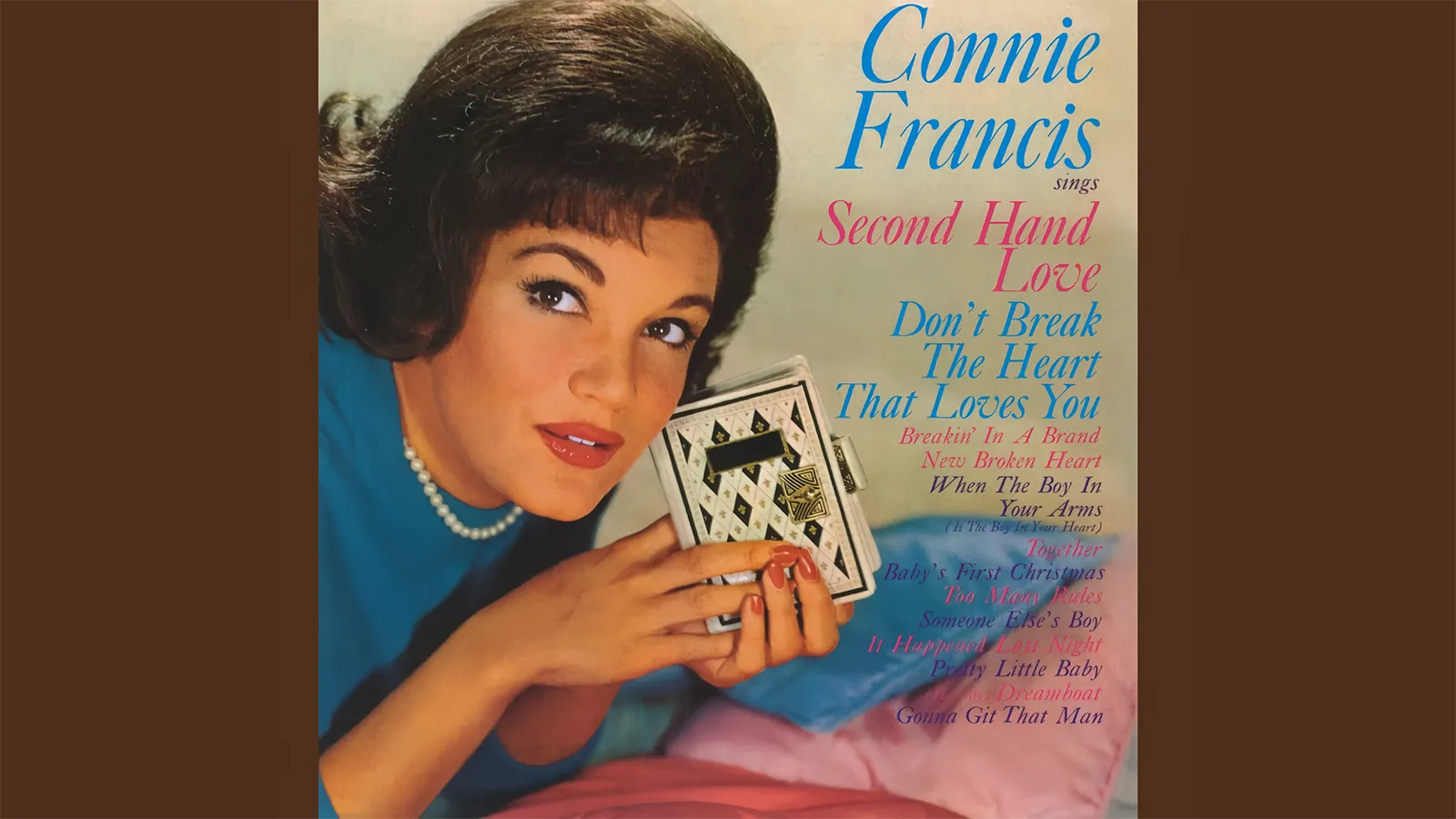
“Pretty Little Baby” is a song that gained renewed global attention in 2025, primarily on TikTok. Short, catchy phrases were extracted as BGM for short videos and widely used in “cute” content featuring babies, pets, and families, establishing it as a meme.
This article organizes the “typical spread patterns that commonly occur on TikTok” and explains in an accessible way—even for those unfamiliar with social media—the background of how “Pretty Little Baby” spread rapidly in a short period.
Table of Contents
What is “Pretty Little Baby”? (The Song’s Identity and Points of Renewed Attention)
“Pretty Little Baby” is a song that regained attention on short-form social media platforms like TikTok and YouTube Shorts. While it may feel like a recent pop song at first glance, a key characteristic of its current trend is that it’s actually an “old song” recorded and released in the early 1960s.
Its sweet, gentle melody and phrases that leave an impression even in short segments connected with short video culture, leading younger generations to “rediscover” it as a “new song.” Here, we’ll organize the song’s basic information and why it successfully became a viral sensation now.
What Kind of Atmosphere Does the Original Song Have, and From What Era?
“Pretty Little Baby” was recorded in 1961 and included on Connie Francis’s 1962 album “Connie Francis Sings Second Hand Love & Other Hits.” It has a gentle, romantic atmosphere characteristic of pop music from that era, with sweetness reminiscent of lullabies and love songs. The tempo is moderate, with a composition that emphasizes the comfort of melody and vocals rather than flashy developments or strong beats.
Music from this era was created with the assumption it would be heard through radio and records, with a mainstream design where impressions strengthen through repeated listening. “Pretty Little Baby” is also the type of song whose charm increases with repetition, and for modern listeners, it feels fresh while evoking a sense of nostalgia—this compatibility with the era’s background is one reason why.
Reasons It’s Meme-Friendly: Catchy Phrases, Tempo, and Strong “Sweetness”
One reason “Pretty Little Baby” is easy to use in short videos is that phrases near the chorus leave an impression even in a short time. The lyrics “You can ask the flowers, I sit for hours” are simple in themselves and can be received as an “atmosphere” without strictly understanding the meaning, making them easy to use even outside English-speaking regions. Additionally, the stable tempo makes it easy to match with video transitions and slow-motion effects, offering high editing flexibility.
Furthermore, the “sweetness” this song possesses easily enhances “cute” visuals like babies, pets, families, and everyday moments, and it was indeed used extensively in that context on TikTok.
In 2025, it was featured in TikTok’s year-end summary as the “Top Global Song / Track of the Year,” positioning it as a global-scale trend. Music that can convey strong emotions in a short time is compatible with short-form social media, making it easier to generate diverse “usage methods”—that’s the key point here.

Characteristics of the Revival: The Flow of Old Songs Being “Rediscovered” on Short-Form Social Media
The renewed attention to “Pretty Little Baby” is one representative example of the increasing “rediscovery of past songs” in recent years. On short-form social media, only parts of songs are extracted and spread, so trends can progress without the release era or artist’s prominence coming to the forefront. “Is it easy to use?” and “Does it match the video?” become evaluation criteria, resulting in more cases where old songs are reevaluated in modern contexts.
Additionally, in this flow, it’s not uncommon for meanings and uses different from the song’s original context to emerge. “Pretty Little Baby” also spread not only in its love song context but also for uses emphasizing cuteness and nostalgia. While such revivals may sometimes be short-lived, they’re easier to understand when viewed as a phenomenon where ways of enjoying music are being “updated.”
The Starting Point of Memeification: Where Did It First Spread?
Regarding where “Pretty Little Baby” became a meme, there isn’t much decisive primary information available from public sources to definitively state “this one video was the origin.” What can be confirmed from news reports and year-end summaries is the fact that usage surged primarily on TikTok in 2025, spreading globally while expanding to multiple social media platforms.
With that said, on short-form social media, virality is often formed in the order of “audio spreads first, then video diversifies later,” and it’s safe to view “Pretty Little Baby” as having spread in a structure close to that result. Here, we’ll organize the checkpoints on TikTok to make it easier to follow the trend even retrospectively.
Timing When It Surged as a TikTok “Sound”
“Pretty Little Baby” became visible as its use as a Sound on TikTok increased, making it easier to recognize as a trend. There’s scarce information to definitively state it originated from a specific “official campaign” or “single instigator,” so it’s realistic to explain that it spread through the accumulation of multiple user posts.
On TikTok, when videos using the same sound increase to a certain scale, users can easily browse related posts via the sound page, resulting in increased exposure. Particularly, “short segments cutting out just the chorus or impressive phrases” work even without knowing the entire song, making them compatible with short-form platform spread. Understanding this as “a general spread structure that tends to occur on TikTok” makes this point easier to grasp.
Types of Posts That Were Common Early On (Lip Sync, Atmosphere Videos, Interpretation Videos, etc.)
@emksuzuki ぎゃぁぁぁぁぁぁああああ #riffchallenge #prettylittlebaby #prettylittlebabychallenge #fyp #ドヤんな @Anna Frank ♬ オリジナル楽曲 – EMIKO(鈴木瑛美子)🇯🇵
Looking at actual posts on TikTok, you can confirm it was used in a wide range of video types: lip sync, babies and pets, family moments, short daily clips, vocal covers, and more. Particularly, the assessment that it has good compatibility with “cute videos” aligns well with year-end summaries and media descriptions.
However, the chronological breakdown of “this was common early on, then this increased later” isn’t clearly presented as public data. Therefore, it’s safer to explain this within the range of observation and general theory, such as “these post types tend to stand out” and “the same sound easily expands to multiple uses,” rather than as a definitive statement.
Search Clues: How to Find Sound Names, Hashtags, and Common Captions
If you want to follow the trend retrospectively, searching by sound name is most reliable. On TikTok, tapping the sound display in the bottom right of a video shows a list of posts using the same Sound. Looking here makes it easy to get an overview of what kinds of videos it’s used in, allowing you to grasp the “usage methods” of the trend.
Hashtag searches are also effective. In addition to tags that directly use the song title like “#prettylittlebaby,” related words or emojis may be used together depending on the time period or community. Combining sound page + hashtag searches makes it easier to grasp “in what context it’s being used.”
What Was the Decisive Factor in “Pretty Little Baby’s” Spread?
@timoty.talks1 REAKSI TAK TERDUGA! Gadis 4 Tahun Menyanyi "Pretty Little Baby" di Jalanan & Kejutkan Semua Orang #PrettyLittleBaby #StreetPerformance #AnakBerbakat #CuteSinger #ReaksiKaget #Neaffeas #LittleSinger #CoverSong #ViralTalent ♬ suara asli – VibeScapeMusic
Behind “Pretty Little Baby” not ending as a passing topic but permeating a wide audience was the overlap of “trend scale confirmable through official data” and “spread conditions that tend to occur on short-form social media.” Here, we’ll organize points confirmable as facts separately from mechanisms that can be generally explained.
The Ripple Effect of Influencer and Celebrity Posts (Strengthening “Ease of Imitation”)
@annafrankhjernoe A slightly exaggerated version of this pretty little song😇 #prettylittlebaby #vocals #singing #singingchallenge #music #foryou #foryoupagе #fyp #riffchallenge #riff #run #cover ♬ original sound – Anna Frank
News reports mention that celebrities and influential accounts posted using this song and garnered large view counts. It’s natural to see such posts working as “additional tailwinds,” further boosting the spread.
However, information about “which editing style was decisive” or “whether posters intentionally created with this purpose” regarding psychology and intent cannot be definitively determined from the outside. Here, understanding this as a TikTok general principle—”formats that are easier to imitate tend to increase posts,” and as a result, the sound’s presence strengthens—allows explanation while maintaining consistency with facts.
Conditions for Spread Through Recommended Display (Short Duration, Opening Hook, Establishment Through Repeat Viewing)
On short-form social media, video length, opening hook, view completion rate, and repeat playback are generally explained as factors that tend to influence spread. In the case of “Pretty Little Baby,” the impressive phrases easily work in short segments, and the ease of creating atmosphere from the beginning of a video can be called characteristics suited to short videos.
However, the internal workings of algorithms are a black box, and it’s safer to avoid definitively stating causality like “the algorithm worked this way for this song.” By keeping the tone to “there’s this tendency as a general mechanism, and this song was likely compatible with those conditions,” you can balance readability with accuracy.
Spread and Establishment Overseas (The Strength of Melody Independent of Language)
The fact that “Pretty Little Baby” spread across borders is itself shown in year-end summaries and news reports. As background for this, the assessment that the melody’s sweetness and atmosphere are intuitively conveyed without needing to understand the language in detail aligns with many explanations.
Therefore, it can be summarized that the sound was used without resistance even outside English-speaking regions and spread while being localized in each country according to contexts like “cute” and “nostalgic.” This is an easy point to write as a reasonable organization derived from public information and observation, rather than “speculation.”
Summary
“Pretty Little Baby” is a prime example of a pop song from the early 1960s—recorded in 1961 and included on an album in 1962—being rediscovered on short-form social media and regaining global attention in 2025. Its catchy phrases and sweet melody were easy to handle as BGM for short videos, and it became established as a meme through widespread use primarily in “cute” content featuring babies, pets, and families.
On the other hand, details like “which post was the origin,” “how the initial breakdown changed,” and “how the algorithm worked” have limited information that can be publicly determined. Therefore, this article organized it as a spread structure that generally tends to occur on TikTok while grounding it in confirmable facts. Understanding from this perspective should allow you to more accurately comprehend the phenomenon of past songs gaining unexpected renewed attention.
