
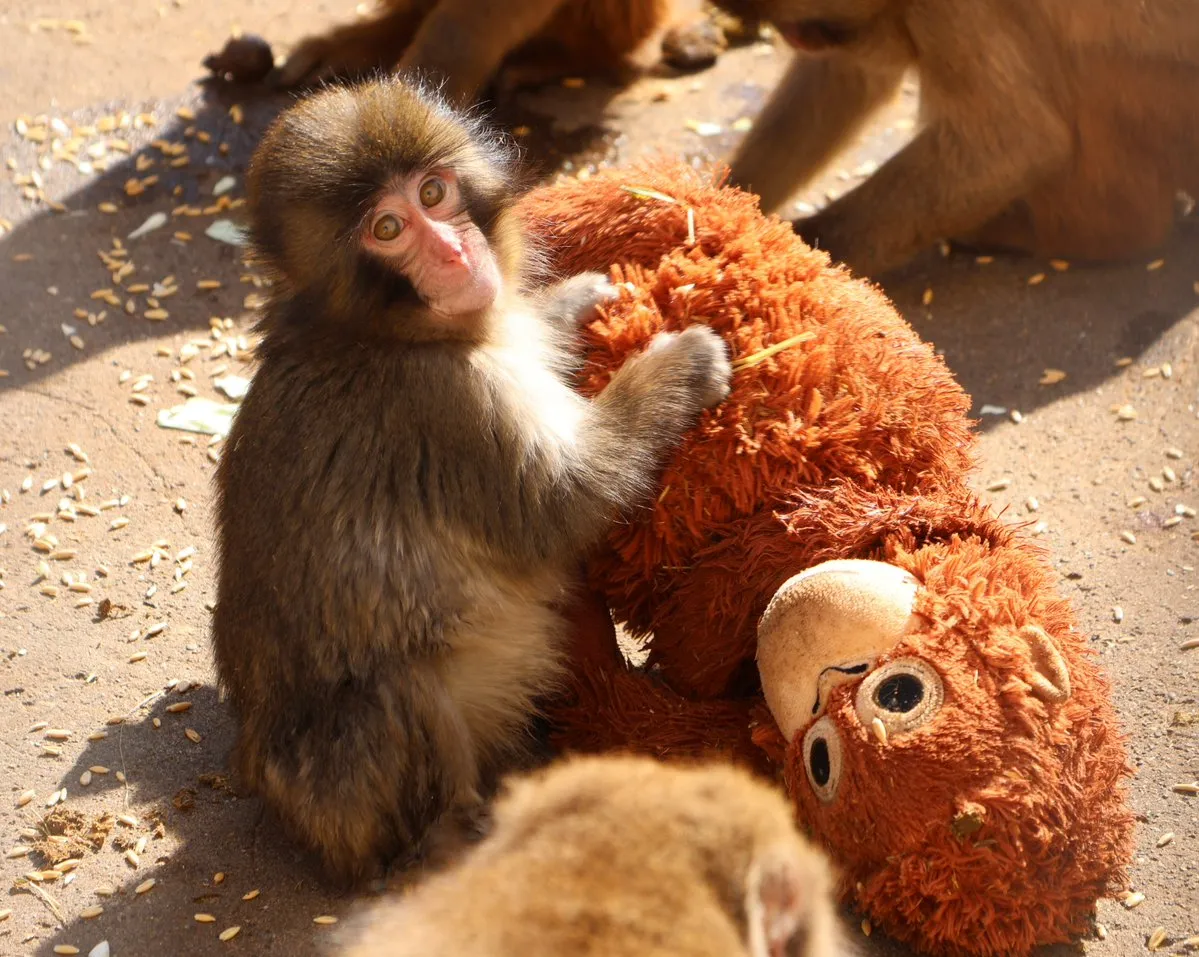
“Hey, do you know about Punch?”
Recently, many parents have likely seen images on social media or television news of a small monkey clutching an orangutan plush toy.
At Ichikawa City Zoo in Chiba Prefecture, a baby Japanese macaque named Punch is drawing significant attention across generations. While his appearance makes him highly relatable to children, his story also opens up a thoughtful conversation about how animals grow, bond, and find their place in a group.
Here are three key points to understand first:
- Hand-reared since birth, Punch the baby Japanese macaque has generated a massive response online for living among his troop while holding onto an IKEA orangutan plush toy.
- Although viral videos of older monkeys dragging Punch sparked concern, the zoo explained that he is learning essential communication skills to live within the troop. This reflects an animal welfare approach that avoids excessive human intervention.
- Driven partly by Punch’s popularity, the zoo reached 300,000 visitors for the first time in its nearly 40-year history on March 14, 2026. On March 16, Ichikawa City released the official “#GanbarePunch Supporter’s Guide,” launching charity LINE stickers and a donation framework.
Table of Contents
Who Is Punch? The Context Behind the Viral Sensation
For those just discovering Punch through the news, we will outline his early life and the reasons why he carries a plush toy in the macaque enclosure. Knowing why the zoo introduced the plush toy helps put Punch’s daily life into context.
Born in Summer 2025: From Hand-Rearing to the Monkey Troop Enclosure
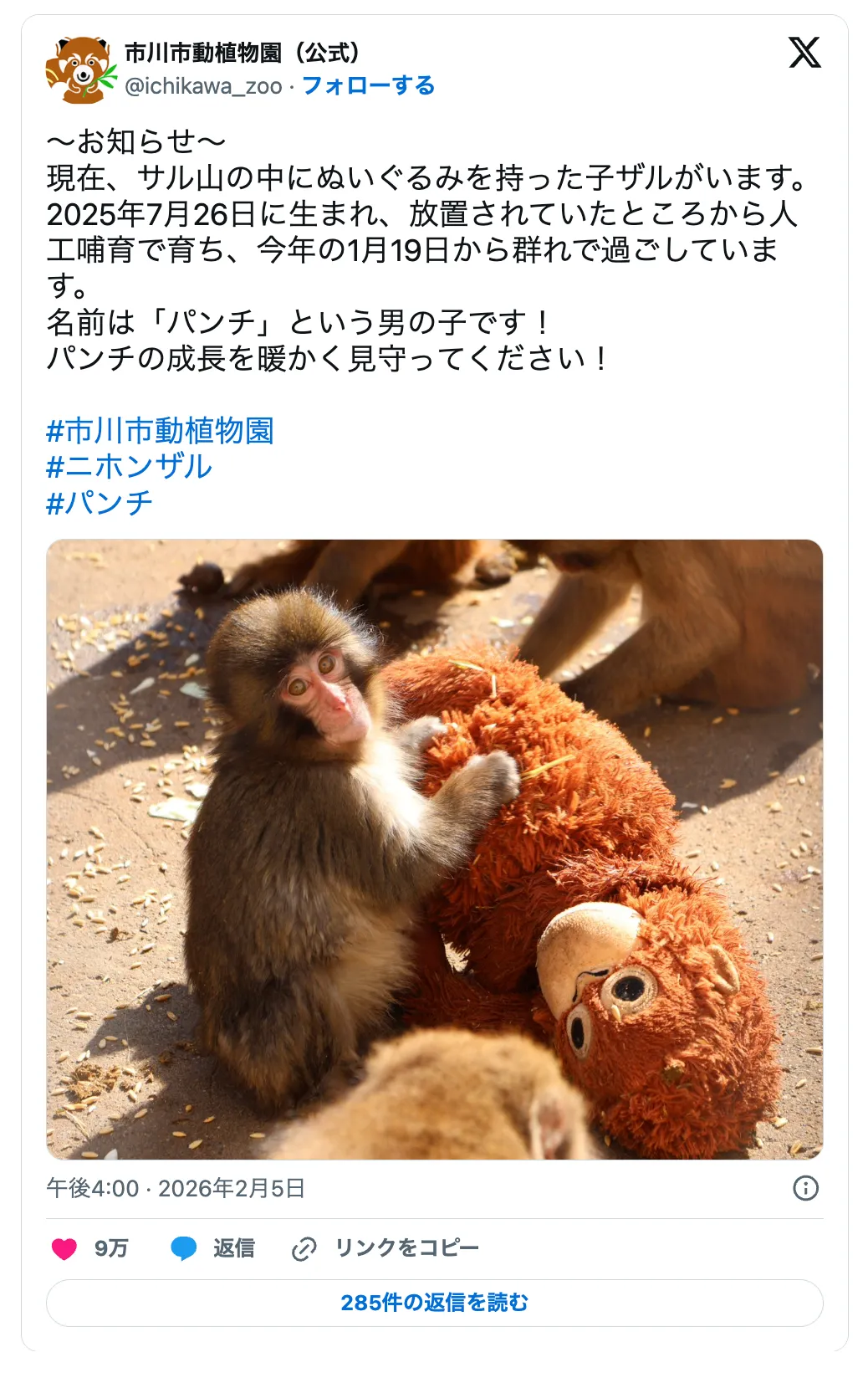
Punch survived the critical nursing period thanks to the meticulous care of the zoo staff. Following a preparatory phase to learn the rules of primate society, he transitioned to living in the monkey troop enclosure on January 19, 2026. He now spends his days interacting with other monkeys within the troop.
Why Is He Holding an Orangutan Plush Toy?
Punch’s defining trademark is an orangutan plush toy donated by IKEA Japan. While social media users refer to it affectionately, the toy is not a prop intended for human entertainment.
Infant Japanese macaques possess a strong clinging instinct, naturally gripping their mother’s fur. The zoo provided the plush toy as a functional substitute to satisfy this instinct, offer a sense of security, and prevent over-dependence on human caretakers. The toy serves as a vital support tool to help him adapt to life as a macaque.
Why So Many Children Connect with Punch
To children of a similar age, little Punch may appear as a highly relatable figure. We explore the specific elements of his story that evoke such strong empathy.
Why Children Respond to the Sight of Him Carrying a Plush Toy
One major reason he has captured attention is the sight of him living among the troop while holding a plush toy larger than his own small body.
Punch navigates his new environment in the enclosure, surrounded by adult monkeys who are far larger and stronger. Because human children also face the challenge of entering unknown environments—like a new classroom or school—they may project their own experiences onto Punch, fostering a natural desire to cheer him on.
Viral Bullying Concerns vs. Learning to Live Within the Troop
Shortly after Punch joined the enclosure, videos surfaced on social media showing him being dragged by other monkeys, sparking widespread concern over whether he was being bullied.
In response, the zoo explicitly stated that these behaviors are not bullying, but rather a necessary phase where Punch is learning to live within the troop. Rather than judging the situation solely through human values, it helps to understand that this is part of how macaques learn to live within a group.
(Source: Ichikawa City Zoo Official Statement Regarding Punch)
How Parents Can Discuss Animal Welfare with Children
The widespread interest in Punch offers a natural way to talk with children about how to observe and respect animals. Here are insights for guiding family conversations.
Moving Beyond Pity to Support Animal Independence
When a small monkey like Punch appears to be treated roughly by older monkeys, it is entirely natural for children to feel pity and want to rescue him. However, parents can use this moment to explain that monkeys have their own specific rules and methods of communication.
By explaining that Punch is currently learning how to live within his troop, parents can help children view his progress as a natural stage of growth. This perspective can serve as a gentle introduction to animal welfare.
A Precedent: Senior Macaque “Otome” Transitioned from Hand-Rearing to Motherhood
If children express concern about whether Punch can survive in the troop, it may be helpful to share the story of “Otome,” an older female macaque at the same zoo.
Born in 2008, Otome was also hand-reared. After being integrated into the troop in 2009, she successfully adapted, eventually giving birth four times and rearing all her offspring independently. While this precedent offers reassurance, zoo staff continue to monitor Punch carefully as he navigates his own integration process.
Visiting Punch: A 2026 Visitor Guide for Families
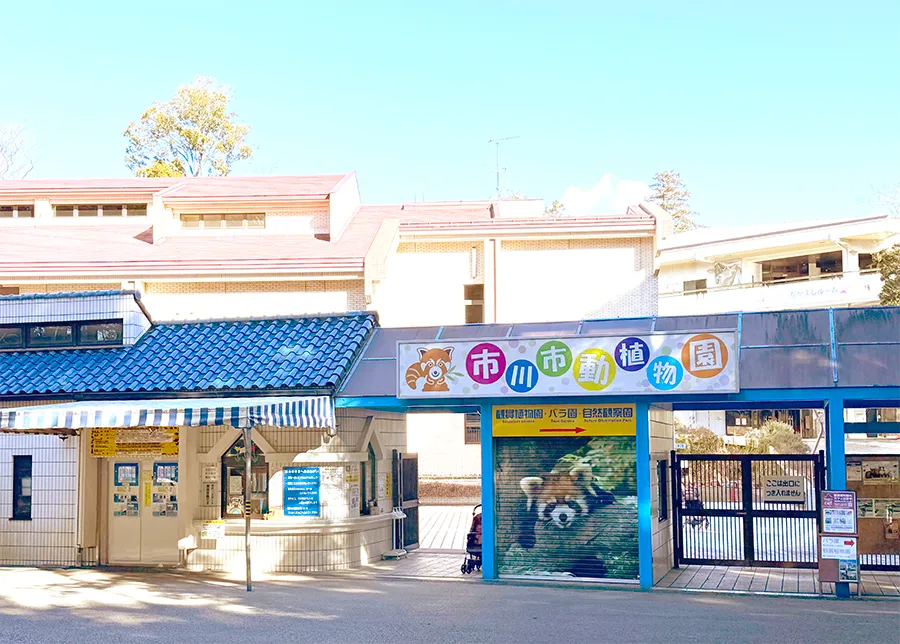
Overview of Ichikawa City Zoo
- Location: 284-1 Omachi, Ichikawa City, Chiba Prefecture
- Opened: August 21, 1987
- Features: Close proximity to animals, lush natural surroundings, and interactive facilities
- Hours: 9:30 AM – 4:30 PM (Last admission at 4:00 PM)
- Closed: Mondays (If Monday is a public holiday, closed the following weekday)
- Admission: Adults 440 yen, Elementary/Junior High Students 110 yen (Preschoolers free)
- Access: Approx. 30 minutes by bus from JR Motoyawata Station (get off at “Doshokubutsuen”), or a 15-minute walk from Omachi Station on the Hokuso Line
- Parking: Standard vehicles 500 yen / Buses 2,000 yen
- Main Areas:
Zoo: Red pandas, orangutans, capybaras, meerkats, Japanese macaques, alpacas, etc.
Botanical Gardens & Rose Garden: Tropical greenhouse, succulent greenhouse, and a rose garden with approx. 110 varieties (Some botanical areas offer free admission)
Nature Observation Park: A valley with spring water where fireflies and dragonflies live
Other: Miniature railway, Natural History Museum, rest house - Official Website: https://www.city.ichikawa.lg.jp/site/zoo/
Reaching 300,000 Visitors: Avoiding Crowds and Viewing Etiquette
Largely influenced by the growing interest in Punch, the zoo reached 300,000 visitors for the first time in its nearly 40-year history on March 14, 2026. Because severe congestion is expected around the macaque enclosure—particularly on weekends and holidays—using public transportation is highly recommended.
On-site, visitors are asked to observe basic etiquette, such as yielding front-row spots after a short viewing time. Caution is also required when posting photos or videos to social media. During peak hours, there is a high risk of inadvertently capturing other children’s faces in the background. Please ensure adequate privacy protection by blurring faces before uploading.
Official Charity Channels: LINE Stickers and Donations
In response to nationwide support, the municipal authorities officially announced approved donation methods through the “#GanbarePunch Supporter’s Guide,” released on March 16, 2026.
Alongside the official support hashtag “#GanbarePunch”, the city has launched charity LINE stickers and a dedicated donation portal to help fund animal feed and habitat maintenance. Visitors are advised to be cautious of unofficial merchandise and to consult the city’s official website for the latest updates when considering financial support.
(Source: “#GanbarePunch Supporter’s Guide” | Ichikawa City Zoo)
