


Child IC cards are transportation IC cards that can be used when children ride trains and buses, with fares automatically charged at “child fare (generally half price).” The main feature is that the correct fare is deducted simply by passing through the ticket gate, eliminating the hassle of buying tickets and reducing the burden of commuting to school or going out.
On the other hand, many parents have questions such as “From what age can it be used?” “Until when is it treated as a child fare?” and “What’s different from adult cards?” This article carefully explains the basic mechanism of child IC cards, why fares are half price, and the rules and precautions when using them, so that even first-timers can understand with confidence.



Table of Contents
What is a “Child IC Card”? The Half-Fare System and Basic Rules

A child IC card is an IC card issued so that children can use public transportation such as trains and buses at the regular “child fare.”
The biggest feature is that fares are automatically halved just by passing through the ticket gate. There’s no need to buy tickets, and fare adjustments are automatically made, reducing the burden of commuting to kindergarten/school and going out.
On the other hand, there are quite a few rules that parents should know, such as age categories, expiration dates, and card types.
First, let’s clarify the basics of “who is eligible and why fares are half price.”
Who is Eligible and Until What Age? Explaining the Complex Categories of “Infant” and “Child”
In public transportation, categories such as “Adult,” “Child,” and “Infant” are defined by age.
Generally, child IC cards are intended for “elementary school students (ages 6 to under 12).”
When entering elementary school, child fares become necessary, and at the same time, child IC cards can be used.
On the other hand, those under 6 years old are classified as “infants,” and on many railway companies, up to two infants can ride free per adult.
However, even for infants, child fares may be required when riding alone or using reserved seats.
This way, the treatment changes depending not only on “age” but also on “usage situation,” which is the cause of confusion.
The expiration date of a child IC card is March 31 of the year the child turns 12, and it cannot be used from April 1 onward, so switching to an adult card is necessary.

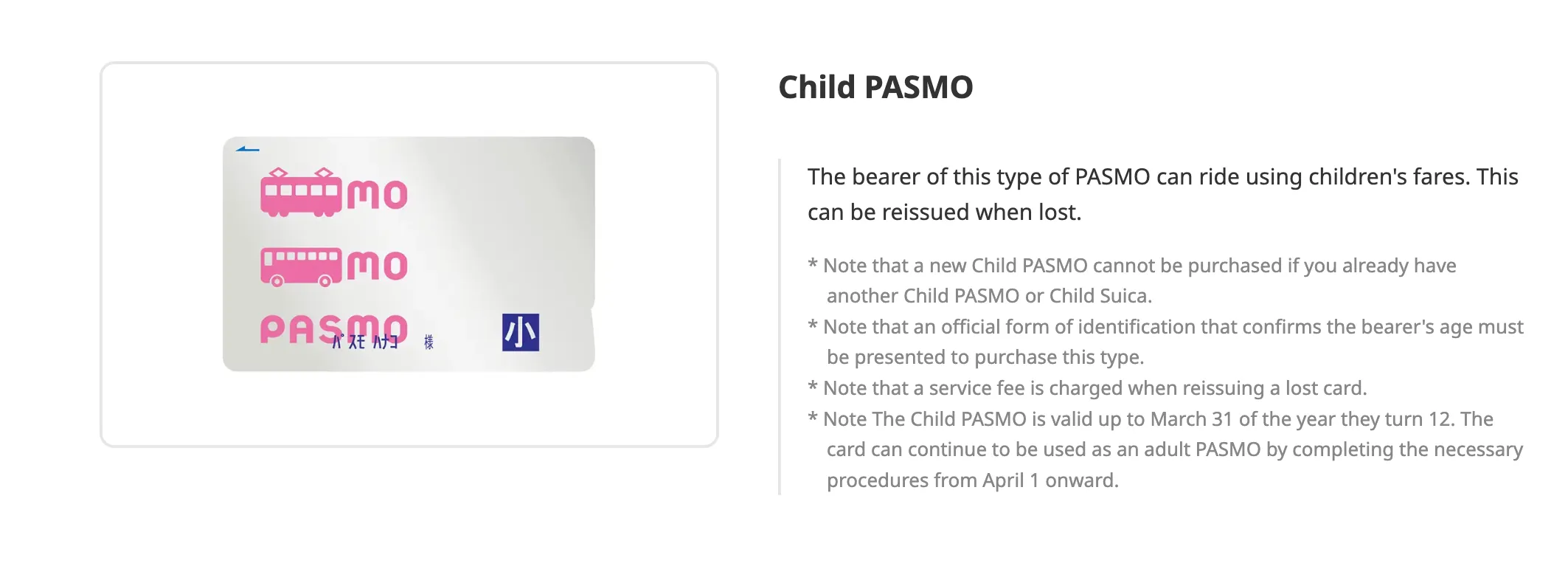
Here’s How It Differs from Adult Cards! The Reason for Being “Registered” and the “Child” Mark

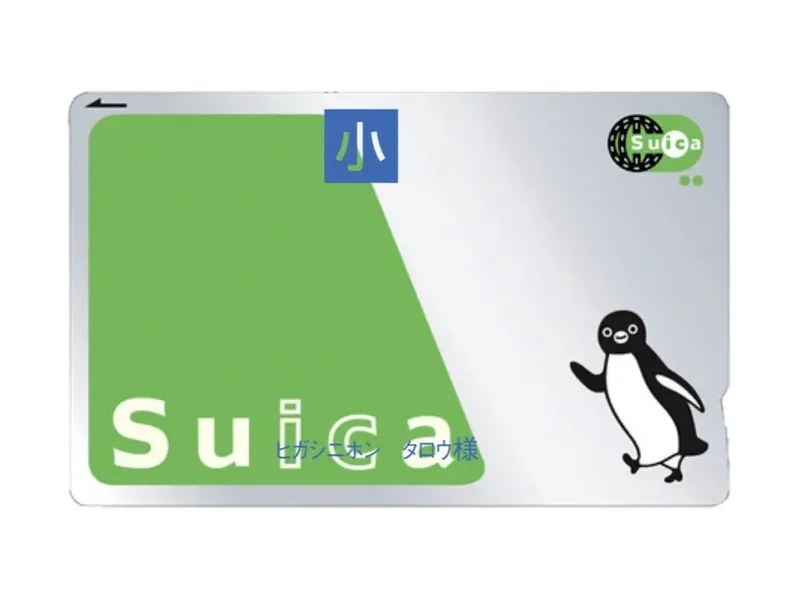
A major feature of child IC cards is that, unlike adult cards, they are “registered cards.” The child’s name and date of birth are registered on the card, and child fares are applied based on that information at ticket gates.
This creates a system that prevents unauthorized use and prevents adults from sharing the card.
Additionally, the card surface has a “Child” mark or similar display, making it visually identifiable as a child card.
Even if lost, registered cards can be reissued, which is a great reassurance for parents.
However, reissuance costs a total of 1,020 yen (520 yen handling fee + 500 yen deposit for the new card) and must be picked up within 14 days from the date of report, so daily management and establishing storage location rules are also important.
- Suica reissuance: https://www.jreast.co.jp/suica/ic/procedure/reissue.html/
- PASMO reissuance: https://www.pasmo.co.jp/procedure/lose/
- ICOCA reissuance: https://www.jr-odekake.net/icoca/guide/reissue.html
Can One Card Be Used Nationwide? Mutually Compatible Areas and Exception Areas
Currently, mutual use of major transportation IC cards in Japan is progressing, and child IC cards can also be commonly used in many areas.
For example, cards issued in the metropolitan area can increasingly be used in compatible areas in regional locations. Therefore, they can often be used as-is during travel or homecoming visits.
However, they cannot be used on all routes and buses.
On local lines in rural areas and some private railways and bus routes, IC cards themselves may not be usable, or the treatment of child fares may differ.
Also, for long-distance travel across areas, fare adjustments may be necessary along the way. Checking in advance whether “IC cards are supported” and “child fares are applied” can prevent trouble on the day.
Suica, PASMO, ICOCA… Which Should You Choose? Area-by-Area Purchase Guide
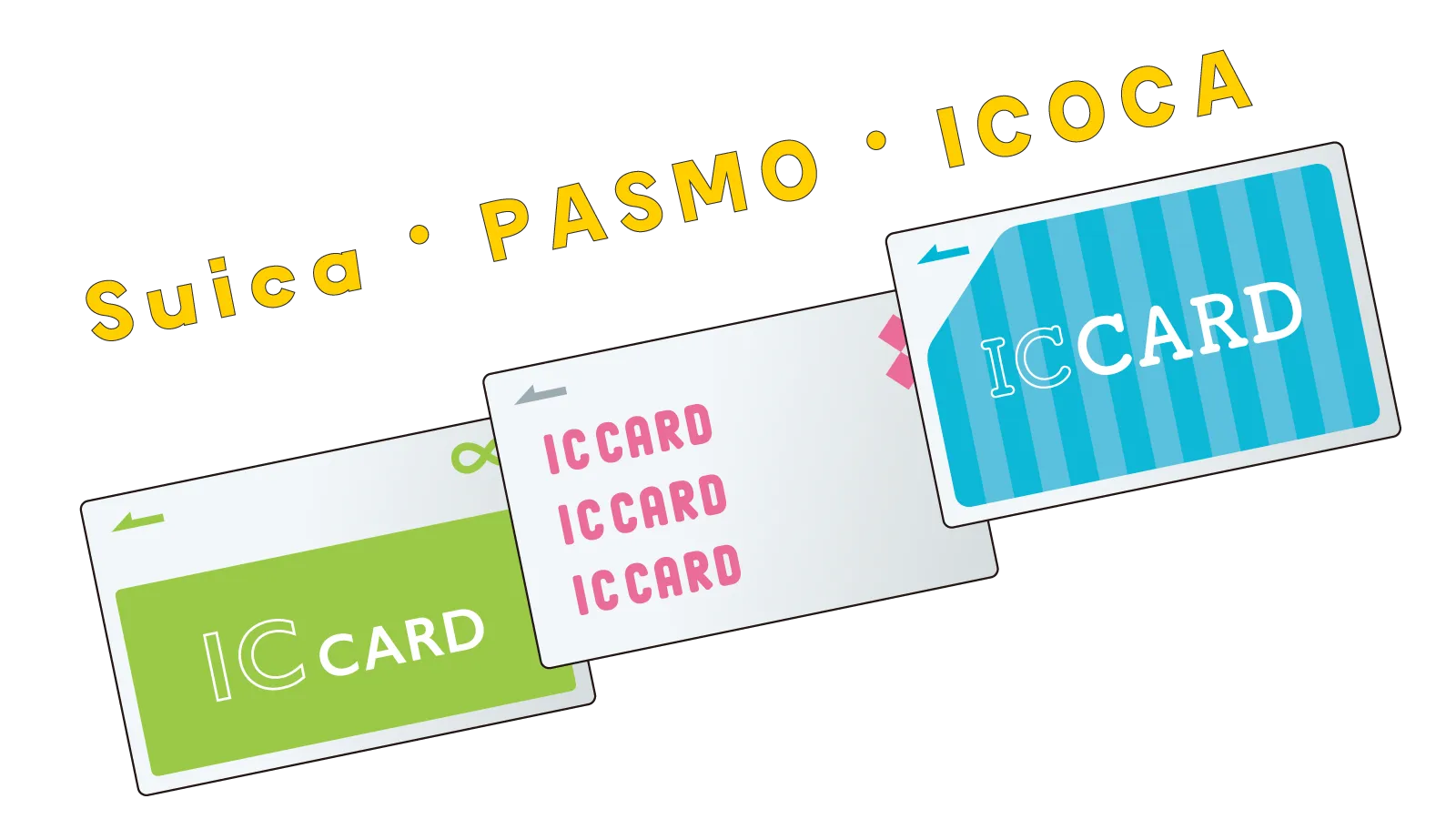
When children start using public transportation, many parents wonder “Which child IC card should I choose?” and “Which card can be used in my area?”
With many IC cards issued by region, including Suica, PASMO, and ICOCA, and recent changes in sales status due to semiconductor shortages, the situation can be confusing.
Here, we’ll organize child IC card situations by region (Kanto, Kansai, and other areas) and explain practical questions such as whether cards should match those of parents, from a childcare and parenting perspective.
Current Situation in the Kanto Area (Impact of Sales Suspension Due to Semiconductor Shortage and Special Measures for Child Cards)
Suica and PASMO are mainstream in the Kanto area, but from June 2023 to September 2024, due to the global semiconductor shortage, new sales of unregistered IC cards were suspended or restricted.
There was a period when adult cards were difficult to obtain, and many parents felt confused.
On the other hand, child IC cards and cards for people with disabilities continued to be issued, along with securing inventory necessary for continuing services such as commuter passes.
Child cards are registered cards that require age verification, and can often be created by filling out a purchase application form at station windows.
They are easy to use even for elementary school student travel, and fares are automatically charged at child rates, preventing the hassle of buying tickets and fare errors.
During the sales restriction period from 2023 to 2024, the continued issuance of child IC cards supported many elementary school students so they wouldn’t have trouble commuting. Understanding the importance of child IC cards will lead to peace of mind for parents.
Child Card Situation in Kansai (ICOCA) and Other Regions (Kitaca, TOICA, SUGOCA)

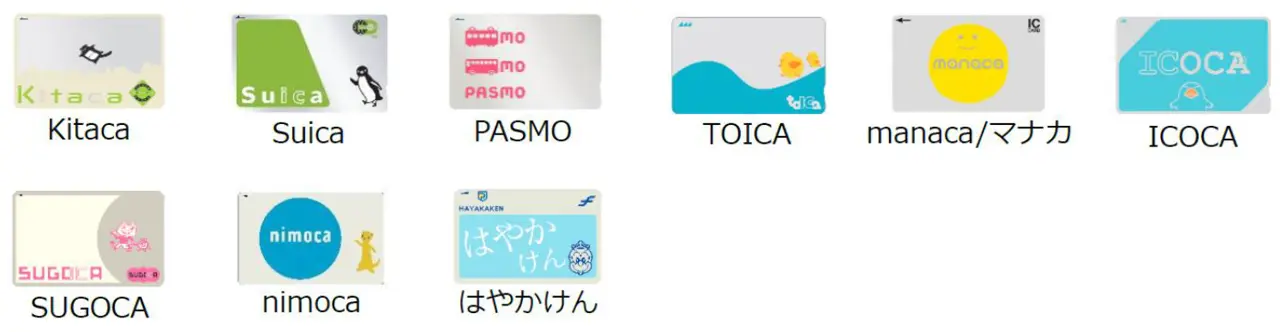
ICOCA is mainstream in the Kansai area, and child ICOCA cards are also continuously issued at Midori-no-madoguchi ticket offices and similar locations.
Like in Kanto, they are registered cards with automatic child fare application, making them convenient for commuting to school and family outings.
Additionally, IC cards specific to each region exist, such as Kitaca in Hokkaido, TOICA in the Tokai region, and SUGOCA in Kyushu, but the basic mechanism of child cards is common.
In all cases, child fares are set according to age, and they’re designed for easy use whether accompanied by parents or traveling alone.
From a childcare and parenting perspective, many families may “plan to move” or “travel or visit home frequently,” but cards can be used in other regions within the nationwide mutual use area. However, some regional lines still have IC-incompatible sections, so checking the usage area in advance provides peace of mind.
Should You Match the Card Type with Your Parent’s? Benefits of Charging and Points
When choosing a child IC card, the question “Should I get the same type of card as my parents?” is often asked.
In conclusion, matching the same type offers significant management benefits.
For example, if the location and operation method of charging machines are common, it’s easier to teach children, and balance checking and replenishment become smoother.
Also, within the same brand, point services and usage history checking may be easier. Especially for kindergarten children and lower elementary grade students who are less likely to notice insufficient balance, creating an environment where parents can grasp the situation daily is important.
On the other hand, it’s not necessarily required to match types to be usable.
Considering the family’s travel range and frequency of use, making decisions based on “ease of management,” “safety,” and “daily usability” is a realistic judgment for childcare households.
Safe Even for First-Timers! Specific Ways to Purchase and Creation Procedures for Child IC Cards
Even though child IC cards seem convenient, many parents feel anxious about “where to buy them,” “whether parents can complete the procedure alone,” and “how much is needed.” Especially when creating one for the first time, many wonder whether ticket machines at stations are sufficient or whether they should go to a window.
Here, we’ll organize everything from choosing purchase locations where childcare households tend to stumble, to precautions about application forms and breakdown of initial costs, and explain specifically so you can prepare with confidence.
Can They Be Made at Station Ticket Machines? Should You Go to Midori-no-madoguchi? The Correct Answer for Purchase Locations
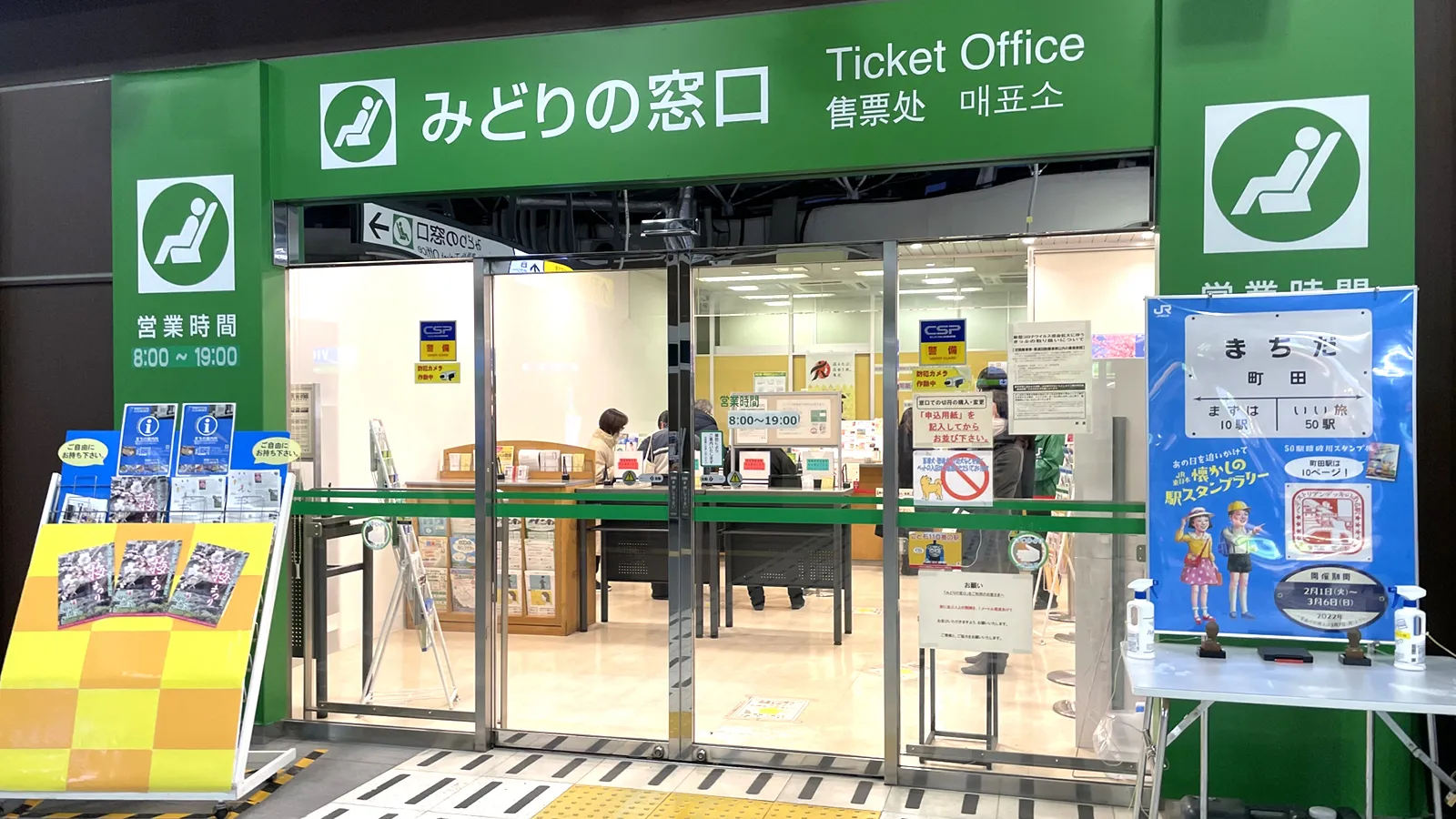
Child IC cards are basically created at station “Midori-no-madoguchi” ticket offices or staffed windows. Unlike adult IC cards, they rarely can be purchased directly from ticket machines because age verification is necessary.
Since child fares apply to kindergarten children and elementary school students, date of birth verification is mandatory, so consider window service as the general rule.
At the window, if you say “I’d like to create a child IC card,” they will guide you. Avoiding crowded times can also reduce waiting time stress.
Note that simple issuance may not be possible at some stations, so choosing major stations or stations that handle commuter passes provides peace of mind.
For first-time procedures, knowing in advance that “creation at the window is necessary” leads to smooth preparation.
Application Form Filling Guide! Precautions When Creating by Proxy (Parent) Alone
Child IC cards can be created by a parent or guardian as a proxy even without the child present.
However, if applying through a proxy other than the parent or guardian, documents confirming proxy authority are separately required. The application form requires entering the child’s accurate name, date of birth, gender, and phone number.
Particularly, errors in kanji notation or date of birth entry may prevent reissuance procedures in case of loss or require correction procedures, so caution is necessary.
Also, public documents such as health insurance cards or My Number cards may be required to verify age.
Even when applying at elementary school enrollment, thorough preparation of necessary documents beforehand is important.
Precisely because proxy application is possible, don’t be careless thinking “parents can go alone,” but rather properly prepare documents and information as a key point to completing procedures with confidence.
How Much Do Initial Costs Cost? Breakdown of Deposit and Charge Amount
The initial costs necessary when creating a child IC card mainly consist of “deposit” and “charge amount.” In most cases, the deposit is 500 yen and will be returned when the card is returned.
In addition, a minimum charge amount of around 1,000 yen is generally added.
In other words, it’s safe to anticipate about 1,500 yen total initially. For childcare households, you want to avoid situations where children can’t pass through ticket gates due to insufficient balance.
Charging with margin from the start can prevent trouble during commuting to kindergarten/school and outings.
Understanding the cost breakdown in advance allows you to introduce child IC cards with confidence.
【Must-Read for Overseas Users】Can Foreign Tourist Children or Short-Term Stay Children Create Child IC Cards?
Among foreign tourists and short-term visitors to Japan, many families with children use public transportation.
In such cases, questions arise such as “Can children of foreign nationality create child IC cards?” and “Do child fares apply even with IC cards for visiting tourists?”
Since the IC card system for Japanese residents and IC cards for visiting foreigners differ in mechanism, grasping accurate information is important.
Here, we’ll explain the types and conditions of IC cards that visiting foreign children can use, necessary documents, expiration dates, and precautions, in an easy-to-understand manner from a parent’s perspective.
Tourist-Oriented “Welcome Suica” Has a Child Version

The “Welcome Suica” issued for visiting tourists has a child (children’s) Welcome Suica version available.
This is an official IC card that can be used even by foreign children staying in Japan short-term, and child fares are automatically applied when conditions are met.
Child Welcome Suica is usable until March 31 after the first time the child reaches age 12, adopting the same standard as Japan’s regular child fare rules.
At purchase, identification documents (passport, etc.) confirming the date of birth of the child using it are necessary.
Note that family members can also purchase by proxy, but even in that case, the child’s own identification such as passport must be presented.
When using Welcome Suica exclusive vending machines, the purchaser enters the date of birth themselves.
Reference: https://www.jreast.co.jp/multi/welcomesuica/purchase.html
On the other hand, “PASMO PASSPORT” has no child version and age registration is not performed, so adult fares apply in principle during use.
Therefore, if children frequently use public transportation, choosing child Welcome Suica is more reasonable in terms of fares.
What Identification is Needed for Purchase? Points Confirmed by Passport
When foreign children purchase child Welcome Suica, official identification documents that can verify age are essential.
Generally passports are used, and date of birth and personal information are verified.
Japanese domestic address registration is unnecessary, so short-term tourist visitors can purchase without problems.
However, if age information is falsified during use, it will be considered unauthorized use, and adult fares from the boarding station and additional fares equivalent to twice that amount may be charged, so caution is necessary.
For parents, conducting procedures with accurate information both at purchase and use is important to prevent trouble.
Precautions About Expiration Dates and Deposits! Refunds Are Not Possible When Returning Home
Welcome Suica (both adult and child versions) has an expiration date of 28 days from the purchase date and cannot be used from the 29th day onward.
This card has no deposit required, but instead, balance refunds are not possible.
Therefore, ingenuity such as using up the balance before returning home or charging only reasonable amounts is required.
On the other hand, regular Suica for Japanese residents (including child versions) requires a 500 yen deposit but can be refunded at windows when returning home.
For short-term stays “child Welcome Suica,” and for medium to long-term stays or potential future return visits, considering regular child Suica and making selections according to stay duration and frequency of use is a method with less burden for both parents and children.
More Than Just Passing Through Gates! Convenient Ways to Use Child IC Cards
Child IC cards may have a strong impression as tools for passing through train and bus ticket gates, but they can actually be utilized in various everyday situations.
Especially for kindergarten children and elementary school students, they serve as an opportunity to learn about societal mechanisms while reducing “anxiety about carrying cash directly.”
As cashless payment becomes commonplace, IC cards are effective not only as transportation means but also as tools for shopping and cultivating financial sense.
Here, we’ll specifically introduce ways to utilize child IC cards that are useful in home and school life, and ideas for balance management.
Shopping at Convenience Stores and Vending Machines! Cashless Education Without Carrying Small Change
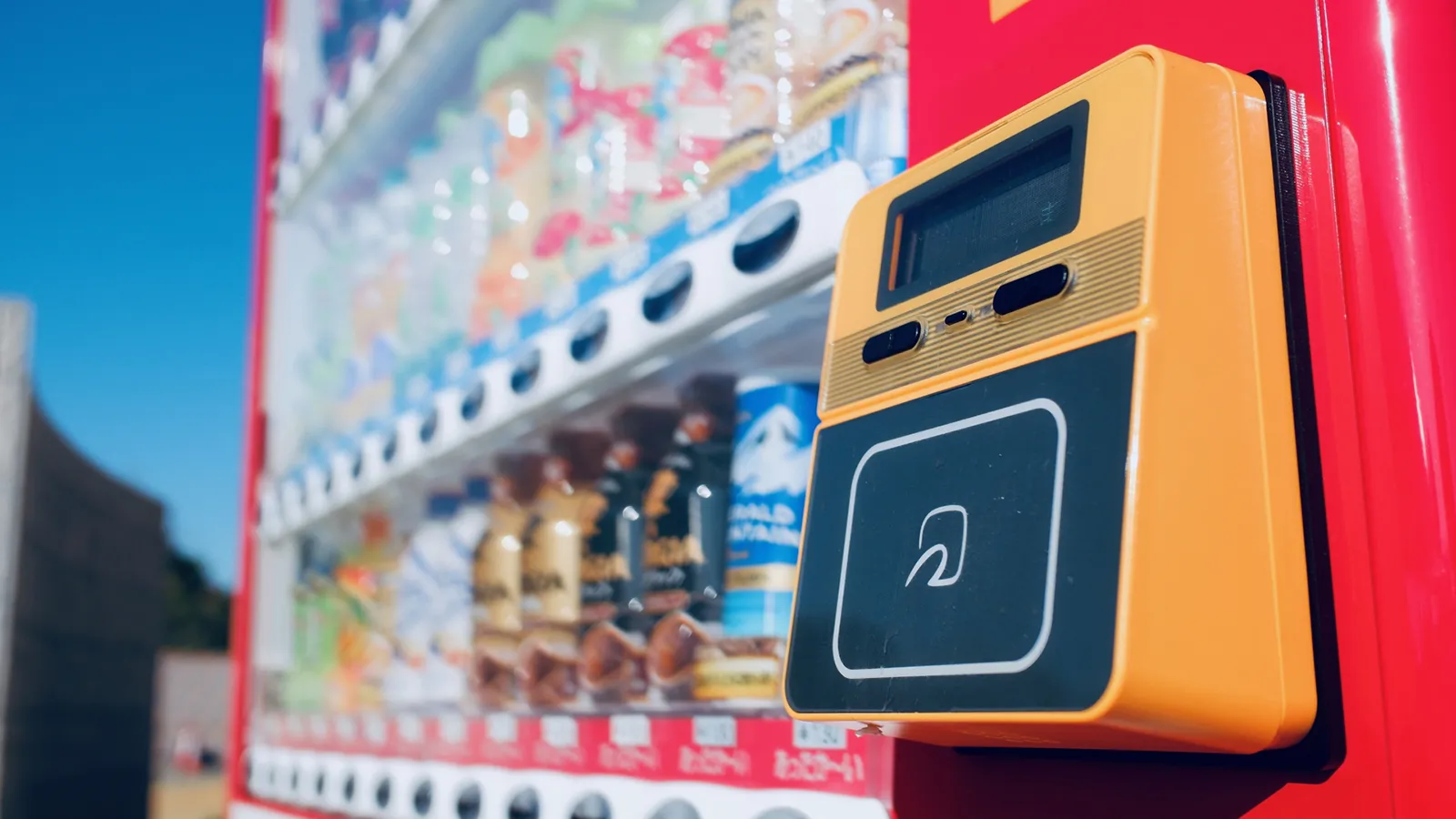
Child IC cards can also be used for payments at convenience stores in stations and around town, and vending machines.
This eliminates the need to give children coins or bills, reducing risks of loss or theft, which is a major benefit.
For example, even in scenes where children buy drinks on the way home from lessons, IC cards allow easy payment, reducing anxiety about cash management.
Also, the mechanism of “using within the balance range” leads to cashless education that cultivates financial sense while preventing overspending.
When parents decide the charge amount in advance, the upper limit of usable money is naturally conveyed.
From a childcare and parenting perspective, it’s important to be conscious of utilizing IC cards not only for convenience but as “a first step in learning how to use money.”
Can Auto-Charge Be Set? Measures to Prevent Getting Stuck at Gates Due to Insufficient Balance
A concern when using child IC cards is ticket gate errors due to insufficient balance.
Especially when stopped during commuting to kindergarten/school, children themselves may feel anxious.
Generally, credit card-linked auto-charge cannot be used with child IC cards alone in many cases, but parents can take measures by regularly checking balance and charging with margin. It’s reassuring to establish household rules such as checking together on weekends or replenishing when falling below a certain amount.
Also, by checking usage history together, “where was it used” and “how much was used” can be shared between parent and child, enabling both peace of mind and learning.
Supporting balance management as well is an important point for children to safely use IC cards.
Lost, Damaged, Not Responding! Q&A for Troubleshooting
Precisely because child IC cards are used daily, troubles such as “lost it,” “washed it,” “doesn’t respond at ticket gates” can happen to anyone.
Especially lower elementary grade children are still getting used to card management and are prone to unexpected accidents.
To avoid panicking in such situations, knowing how to respond in advance is important.
Child IC cards have relief measures for loss or malfunction, and proper procedures allow safe reuse. Here, we’ll explain typical trouble responses that parents should know in easy-to-understand Q&A format.
Child Lost the Card! Reissuance Procedures and Guarantee of Charge Balance
If a child IC card is lost, it’s important to suspend use as quickly as possible.
For registered cards, reporting at station windows allows the card to be locked, preventing unauthorized use by third parties.
After that, reissuance procedures are performed, a new card is issued, and remaining charge balance and commuter pass information are transferred.
However, note that reissuance may take several days, and cash or alternative transportation is necessary during that time.
From a childcare and parenting perspective, it’s important to regularly teach children “report immediately if lost.”
Just knowing about the reissuance system greatly reduces anxiety in case of loss.
Washed It! Card Bent! Exchange Procedures When Response is Poor
Since child IC cards are precision devices, if put in the washing machine or bent strongly, response may worsen.
Even without significant visible damage, if frequent gate errors occur, it’s safer to consider exchange early.
Bringing the card to the station window and explaining the situation will result in condition checking and exchange procedure guidance.
If determined to be malfunctioning, charge balance is generally transferred to a new card.
If a card used for going to and from school suddenly becomes unusable, children will be troubled.
Ideas to prevent physical damage, such as putting cards in card cases on a daily basis, are also important.
Peace of Mind Because It’s “Registered”! Lock Function to Prevent Use by Others
The biggest advantage of child IC cards being “registered” is that they can be locked in case of loss.
Unlike unregistered cards, because the owner can be identified, even if picked up by a third party, the system prevents free use.
Even if dropped, performing suspension procedures at the station makes subsequent use impossible.
This mechanism is a great reassurance for parents. From a childcare and parenting perspective, it’s important to share with parent and child the fact that “it can be stopped immediately if lost.”
Rather than giving excessive anxiety, conveying reasons why it can be used safely allows children themselves to act calmly.
Summary
Child IC cards are not only tools that make travel during commuting to kindergarten/school safe and smooth, but also strong supporters of parents in terms of shopping, behavior management, and monitoring.
By understanding area-specific card selection and creation procedures, and incorporating management methods suited to the household, you can achieve both children’s independence and peace of mind.
Knowing in advance how to respond to troubles and monitoring services can reduce anxiety and make daily life more comfortable.


