


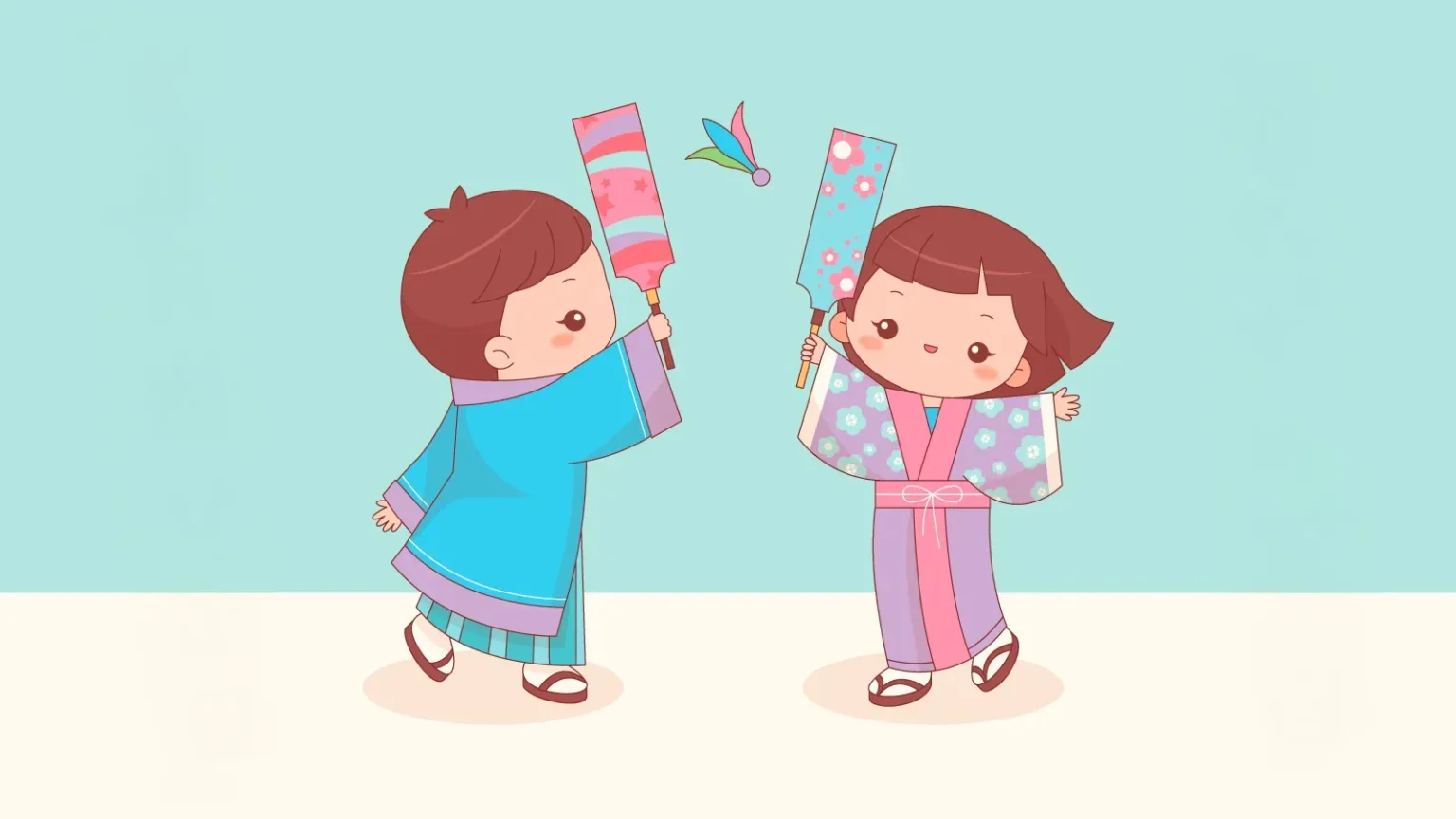
The New Year is a precious time to relax with family and friends. Traditional Japanese “New Year games” are perfect for this season. These time-honored activities offer not just entertainment, but also hidden benefits for developing children’s concentration and social skills.
Recently, analog playtime that bridges generations has been gaining renewed attention, becoming increasingly popular in both preschools and homes. This article introduces five classic and quintessential New Year games, clearly explaining their origins, how to play them, and the developmental benefits they offer children.
Table of Contents
Why New Year Games Support Children’s Development

Furthermore, since these games can be enjoyed by the whole family, they deepen communication and heighten interest in seasonal traditions. As activities that can be easily incorporated during winter break, they represent play worth actively introducing at home as opportunities for children to grow joyfully.
The Mechanism for Naturally Developing Motor Skills and Balance
New Year games involve using various parts of the body and naturally cultivate the foundational strength for motor skills. For example, “hanetsuki” (Japanese badminton) requires arm swings and timing adjustments, making it ideal for developing agility and rhythm.
Tracking the shuttlecock with your eyes to keep it from falling also trains visual acuity for following moving objects. “Top spinning” requires wrist rotation and proper force application, developing body control and balance. Being mindful of keeping the top’s axis from tilting helps improve posture maintenance, enhancing overall body stability.
Additionally, “kendama” (cup-and-ball) requires predicting the ball’s movement to catch it, training reflexive actions and body coordination. Since these are all games that can be safely played indoors, they offer the significant appeal of providing opportunities for physical activity even during cold seasons.
Why Fine Motor Skills and Concentration Improve
New Year games include many movements involving detailed finger manipulation, providing excellent opportunities to enhance dexterity. “Fukuwarai” (face-making game) requires imagining facial contours and part shapes while blindfolded, nurturing spatial awareness and attentiveness.
The experience of laughing together at the result being “different from what I imagined!” also increases motivation for play. “Otedama” (beanbag juggling) smooths hand movements by tossing and catching lightweight fabric bags, with concentration sustained through challenges of increasing numbers.
Additionally, “kakizome” (New Year’s calligraphy) requires adjusting brush angle and pressure application, with the practice of slowly and carefully drawing lines connecting to periods of calmness and concentration. These games are characterized by including whole-body movements beyond just desk activities, making them less boring while promoting cognitive growth through enjoyment.
The Value of Deepening Japanese Cultural Understanding Through Play
New Year games provide special opportunities for children to become familiar with Japanese culture and seasonal customs. Games passed down through generations contain the lifestyles and wishes of their eras, with cultural understanding naturally increasing through play.
For example, “karuta” (Japanese card game) allows enjoyment of word rhythms and Japanese language sounds, with sets like “Hyakunin Isshu” (One Hundred Poets) serving as gateways to classical literature. “Sugoroku” (Japanese board game) deepens communication as families gather around the same board, making it perfect play for New Year gatherings.
Furthermore, hanetsuki and tops vary in design by region, with exchanges bridging generations arising from conversations about “how things used to be.” Experiences touching culture through play connect to rich emotional development in children, providing the unique learning value of the New Year season.
1. The Most Popular Traditional Game: “Kite Flying”

Just selecting the kite’s type and shape is exciting, and using handmade kites adds the bonus of experiencing both play and crafting. The time spent reading the wind, manipulating the string, and watching the kite soar into the sky becomes a rich experience accompanying children’s growth. It’s the perfect New Year activity for parents and children, easily incorporated as outdoor winter break play.
Origin: Spread from the Edo Period as Prayers for Boys’ Growth
Kite flying has an ancient history, becoming widely popular in Japan during the Edo period. Kites of that era were treated as lucky charms for wishing boys’ healthy growth, reportedly often flown during celebrations in samurai and merchant households.
Kite designs featured powerful warrior images and auspicious patterns, with flying them high conveying wishes like “grow up healthy” and “misfortunes fly away to the sky.” Additionally, kite-making itself connected with regional craftsmen’s skills, giving birth to unique kite cultures in various areas.
While the play element is now mainstream, kites retain their traditional meaning of “delivering wishes to the sky,” and conveying this background when playing with children connects to deeper understanding and enjoyment.
How to Play: Tips for Catching the Wind and Enjoying with Family
To enjoy kite flying successfully, it’s important to be mindful of wind strength and direction. First, choose an open area with steady wind, and run toward the wind so the kite is pushed from behind for easier launch.
Without pulling the string too hard, adjust while finding the position where the kite stabilizes, allowing it to soar high and beautifully. When playing with family, having adults check wind direction and give the starting signal helps children run out with confidence.
Also, choosing kites with shorter strings and lighter materials for young children makes handling easier and achievement more accessible. As they become accustomed, gradually lengthening the string to enjoy height challenges expands opportunities for challenge and nurtures motivation. For safety, avoid areas near power lines or along roads, and adjust the scope of enjoyment without forcing it on overly windy days.
Effects: Physical Fitness and Coordination Abilities Develop
Kite flying is also excellent as play that naturally extends children’s motor abilities. Movements like running to launch the kite and changing body orientation to read wind direction connect to improvements in physical fitness and endurance.
Additionally, controlling the kite’s movements by adjusting the string in hand increases arm strength and fingertip dexterity while cultivating coordination abilities. The sensation of releasing or pulling string according to wind conditions also helps develop balance and spatial awareness.
Furthermore, experiences like considering causes when launches fail or trying techniques for reading wind connect to nurturing thinking skills and perseverance. Since it stimulates both physical and cognitive aspects in balanced ways, it’s one activity worth actively incorporating as winter outdoor play.
2. Winter Event “Hanetsuki” for Warding Off Evil
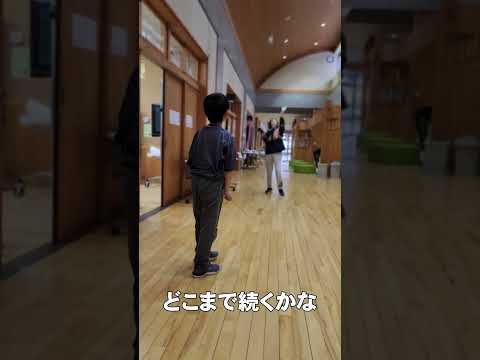
Hanetsuki is a traditional Japanese game long cherished as a New Year activity. Though it appears to be simple play of continuing rallies without dropping the shuttlecock, it actually contains the meaning of “wishing for health,” also becoming time for families to enjoy while praying for a year of good health and freedom from illness.
While now established as play, the movements of using the body and concentrating to chase the shuttlecock have positive effects on children’s growth. Since it’s easy to move the body outdoors even in cold seasons, its appeal includes easy incorporation as winter break activity.
Origin: Health-Wishing Ritual Passed Down from the Muromachi Period
Hanetsuki’s origins trace back to the Muromachi period, when it was performed not as current play but as “evil-warding” and “ritual wishing for children’s growth.” The soapberry seeds used in shuttlecocks are written with characters meaning “child without suffering,” containing the wish “that children remain healthy = grow up well.”
Additionally, the black seeds appearing in hanetsuki have been used as charms since ancient times, believed to hold evil-warding significance. During the Edo period, it spread among common people, becoming beloved as a New Year tradition.
Hagoita (battledores) were decorated with kabuki actors and auspicious images, giving birth to gift-giving culture. While remaining as play in modern times, knowing this background reveals hanetsuki to be a tradition with “value beyond play.”
Rules: Not About Defeating Opponents, “Continuing Long” Is Important
Hanetsuki is characterized not by competing to determine winners and losers, but by enjoying “how long you can continue.” Holding the hagoita like a racket and rallying the shuttlecock while matching breath with your partner naturally enables grasping rhythm and timing.
Applying too much force disrupts the shuttlecock, while too little causes it to fall, making adjusted striking important. When playing with family, choosing days with weak wind or spacious indoor locations makes continuation easier, connecting to successful experiences.
Additionally, the old custom of drawing faces on hagoita when the shuttlecock falls remains popular as an element adding humor to play. Since the enjoyment of cooperating with partners to continue can be experienced, it also becomes an opportunity for children to develop “communication skills.”
Effects: Educational Play Training Spatial and Visual Discrimination Abilities
Hanetsuki naturally develops children’s “spatial ability (power to accurately grasp object positions)” and “visual discrimination ability (power to distinguish differences in color and shape)” through the need to continuously track the shuttlecock’s movement with eyes while striking.
Movements predicting which direction the shuttlecock will fly and moving the hagoita with good timing also engage reflexes and spatial comprehension. Additionally, since shuttlecock movement isn’t constant, spinning and swaying in wind, children develop the power to judge according to situations.
Through repeated play, concentration also grows, with the appeal of gaining much learning without large body movements. Since wrist usage and posture control also improve, it’s a traditional game bringing positive effects to both educational and physical aspects.
3. “Top Spinning” Requiring Wrist Flexibility
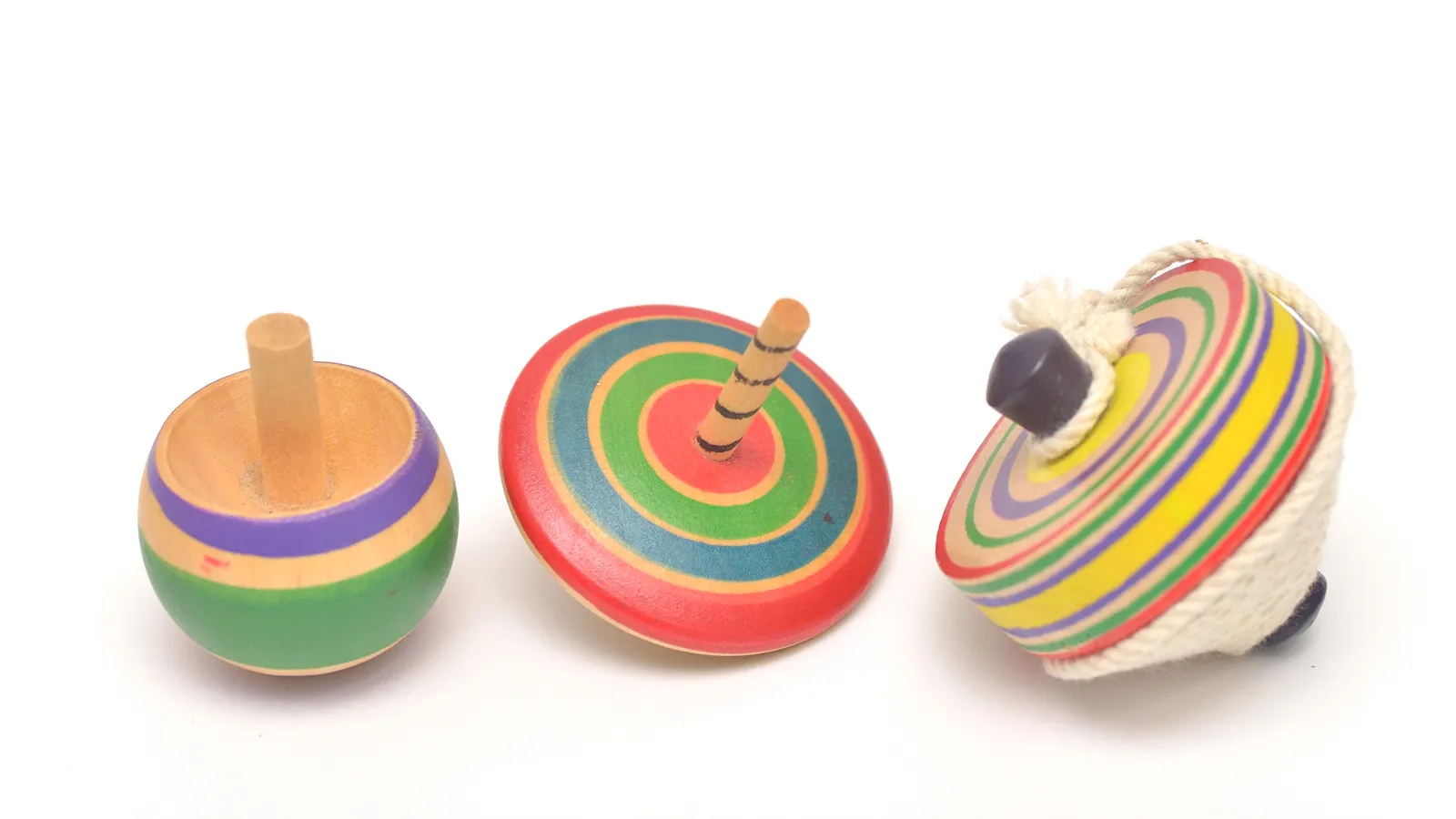
Top spinning is distinctly Japanese traditional play that extensively uses fingertips and wrists among New Year games. Movements like wrapping string or twisting with palms present appropriate difficulty for children, with the appeal of gaining great achievement at successful moments.

The time watching beautifully spinning tops is also pleasant, with concentration naturally growing while playing. Since spinning methods and movements change by type, the point of choosing according to age and development offers reassurance for parents and children. It’s traditional play packed with learning and enjoyment, easily incorporated as winter indoor activity.
Origin: History from the Heian Period Symbolizing “Harmony”
Tops are play with long history cherished since the Heian period, reportedly enjoyed by aristocratic children spinning wooden or ivory tops at that time. Since tops continue spinning while tracing “circles,” they were imbued with auspicious meanings like “family harmony” and “things going smoothly,” especially treasured as New Year play.
Additionally, the interesting point that colors and shapes differ by region, with unique techniques and cultures nurtured over long years, is noteworthy. During the Edo period, they spread as common people’s play, with craftsmen creating beautiful tops through ingenious efforts.
Tops possessing deep history despite simplicity are precious entities allowing contact with traditional culture through play. Knowing origins together as parent and child makes playtime richer.
Types: Twist Tops, Hand-Rubbing Tops, and Self-Righting Tops
Tops come in several types, attracting children’s interest through different spinning methods and movements. The representative “twist top” involves wrapping string and pulling vigorously, characterized by dynamic spinning ease.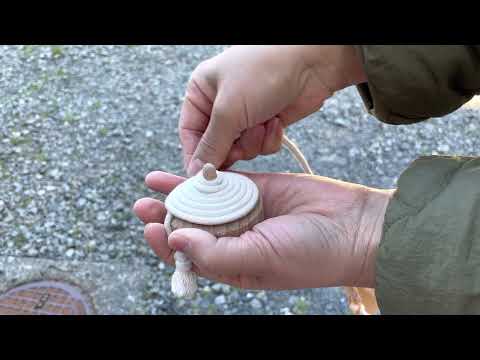
“Self-righting tops” naturally stand upright even when tilted, with mysterious tops enjoyable just through observing movements.
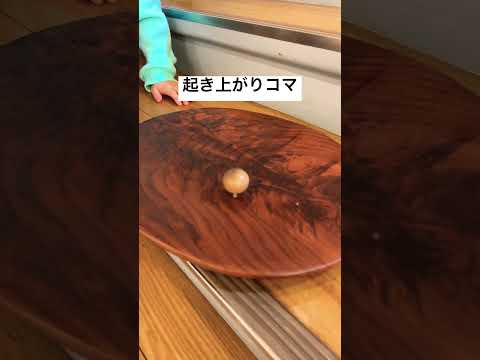
The point of choosing according to developmental stage, such as hand-rubbing tops for unfamiliar children or twist tops for those wanting challenges, is easily usable both at home and in childcare settings. Play expands further through enjoying differences in colors and patterns or comparing spinning variations.


Effects: Timing and Fine Control Abilities Develop
Top spinning greatly helps develop control abilities through children’s detailed use of wrist and fingertip movements. The need to adjust “timing” for pulling string and “force amount” for releasing tops naturally cultivates sensation through repeated trial and error.
For stable top spinning, flexible wrist use and movement at constant speed are important, with these movements extending dexterity (power to accurately perform fine movements). Additionally, observing spinning tops’ swaying conditions and speed changes also increases predictive power and attentiveness.
The process of considering reasons when spinning fails connects to thinking skill cultivation, with the joy of successful moments becoming motivation for next challenges. Since it can be safely enjoyed indoors, it’s also optimal as winter play.
4. “Karuta” Where Competitive Spirit Emerges
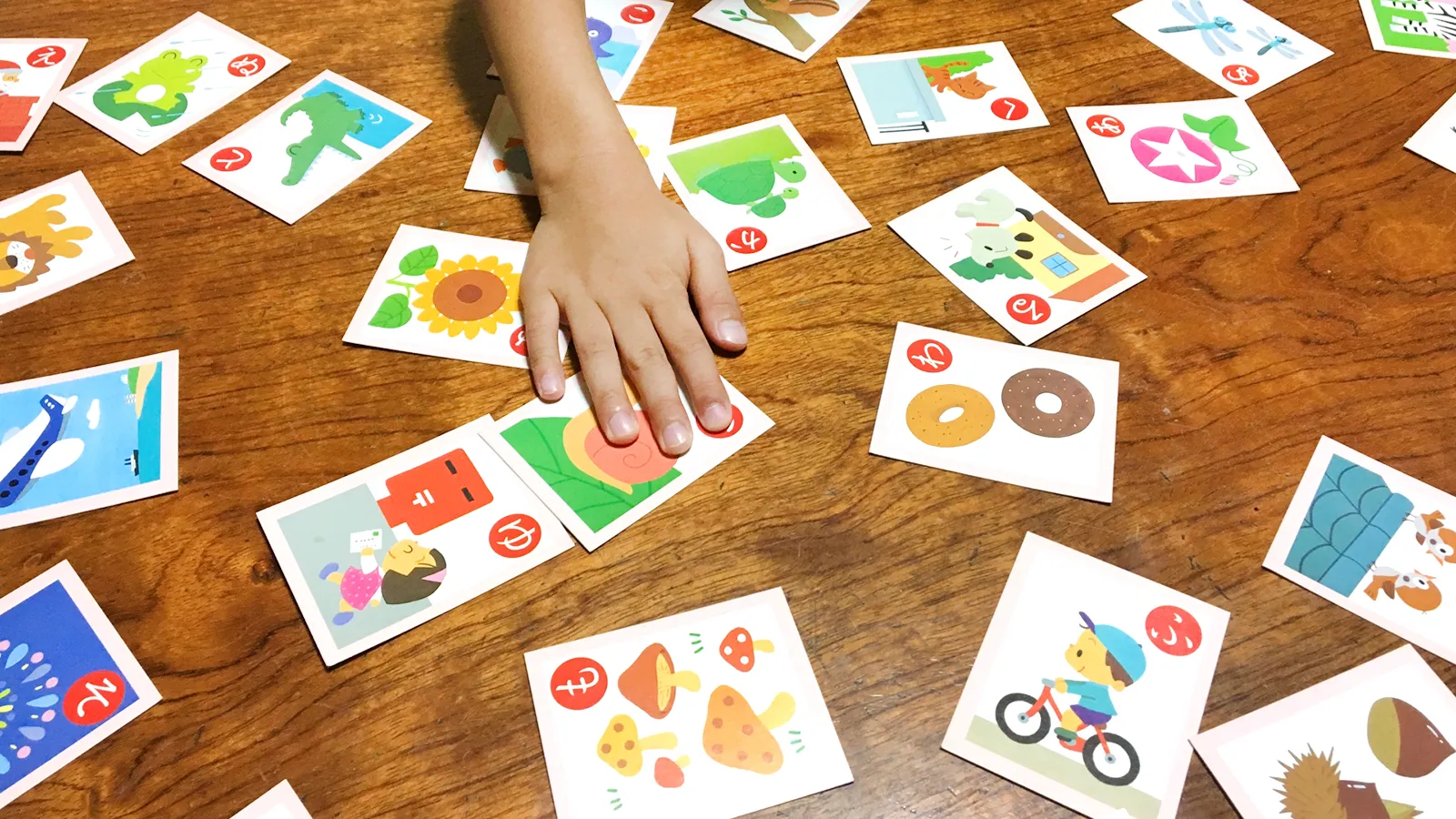
Karuta is simple play of quickly finding and taking cards as they’re read aloud, but within it contains many elements helpful for children’s growth including attentiveness, quick reflexes, and interest in words. Playing together with family and friends stimulates competitive spirit, with winning and losing experiences also teaching “emotional switching.”
Furthermore, the appeal of naturally encountering Japanese expressions makes understanding word rhythms and meanings easier through play. While beloved as a New Year staple, it’s play enjoyable regardless of season, with the characteristic of easy participation across wide age ranges from preschoolers to elementary students.
Origin: Card Game Tracing Back to Heian Period Shell Matching
Karuta’s origins trace back to the Heian period’s “kai-awase” (shell matching), with the prototype being play of finding and matching paired shells. Subsequently, it evolved while receiving overseas cultural influences from the Muromachi to Edo periods, establishing the current style using picture and reading cards.
Especially during the Edo period, “Hyakunin Isshu” spread, popularizing among common people as play enjoying Japanese culture alongside waka poetry. Modern karuta has diverse themes including proverbs, animals, and regional culture, evolving as educational play easily enjoyed at home.
Since it also becomes an opportunity to learn about old culture and history through play, enjoying while discussing roots with family connects to deeper learning.
Secret of Enjoyment: Naturally Memorizing Proverbs While Playing
Karuta’s major appeal lies in the point of being able to “memorize meanings as experiences.” In proverb karuta, even unfamiliar phrases become easier to naturally understand meanings through connection with reading card sounds and picture card illustrations.
Furthermore, the action of finding and taking cards heightens game quality, with children easily maintaining the motivation of “wanting to take faster.” This “enjoyment” becomes the trigger remaining in memory, promoting growth in vocabulary and language sense.
Additionally, since playing with multiple people provides experiences of taking turns and emotional control, it also helps social development. Alternating reader and taker roles changes concentration types, connecting to the point of easy home incorporation through playing long without boredom.
Age-Specific Play Methods: From Toddler Versions to Character Editions
Karuta is play allowing difficulty adjustment according to age, with wide selection possible from large picture cards for toddlers to authentic sets like Hyakunin Isshu. For early childhood, picture karuta themed on animals, colors, and everyday items are understandable, with enjoyment possible just from viewing illustrations.
Even children unable to read yet have experiences connecting pictures and sounds cultivating interest in words. Upon reaching elementary school, using proverb karuta or history-themed options connects to learning, enabling expectation of deeper understanding.
Additionally, character karuta offers familiarity, being optimal as play entry points. Since playing with many people creates excitement, it’s perfect for New Year gatherings and family get-togethers, being versatile play enjoyable together despite age differences.
5. “Fukuwarai” Popular for Showa Nostalgia
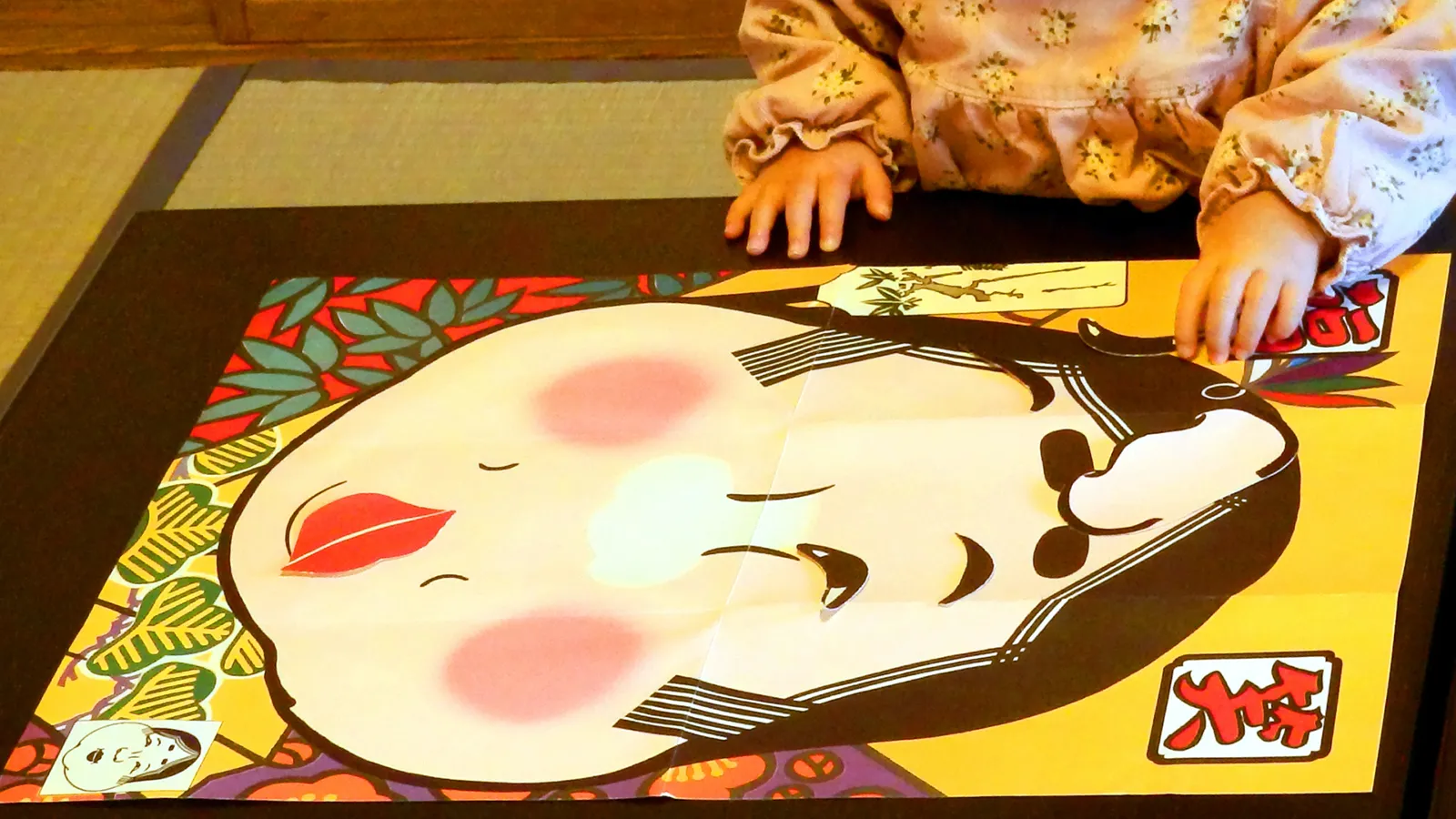
Fukuwarai is traditional New Year play that brings smiles to the whole family while remaining simple. This humor-filled play of arranging facial parts while blindfolded has nostalgic Showa atmosphere, carrying warmth connecting to memories for adults.
For children it becomes fresh experience of “thinking while unable to see,” developing imagination and spatial awareness. The time laughing heartily at unexpectedly shaped completed faces also becomes an opportunity deepening family communication. It’s a traditional New Year activity easily incorporated during winter break, enjoyable across generations.
How to Play: Fun Family Game of Making Faces Blindfolded

The time changing part placement order or feeling nervous about losing left-right orientation while proceeding is fun, easily exciting families. Making the non-blindfolded model role rotational makes enjoyment easier despite age differences, with sibling cooperation during play commonly seen.
Since few tools are needed and easy handmade creation is possible with just paper and pen, it can be casually incorporated at home. The appeal is laughing at the completed face thinking “this wasn’t my intention!”
Why Smiles Never Cease (Failed Faces Are Funny)
The biggest reason fukuwarai excites is the point of everyone sharing “the humor of things not going as intended.” Since blindfolded, parts often end up upside down or eyes and mouth too close, resulting in unique and unexpected faces.
This “play where failure becomes success” creates environments where children can challenge with confidence, continuing while laughing. Additionally, the experience of laughing at failed faces has effects of relieving tension and brightening home atmosphere.
Arrangements like photographing completed faces or creating them with family themes can also be enjoyed. Since adults can participate returning to childlike hearts, it’s loved long as play exciting regardless of generation.
Cross-Generational Sharing Time with Parent Generation
Fukuwarai’s major appeal lies in the point of connecting with experiences when parents and grandparents played as children, enabling enjoyment of conversations like “this is how play used to be” while playing. Due to simple construction, playing under same rules is possible despite age differences, becoming precious time where entire families can share the same play.
For parent generations it feels nostalgic, for children fresh, simultaneously being play naturally creating cross-generational connections. Additionally, since enjoyment methods transcending eras are possible from sets using old designs to modern character versions, it’s perfect for New Year gatherings.
Moments laughing together deepen family bonds, also becoming good opportunities for cultivating interest in seasonal events.
Summary
New Year games are packed with traditional warmth and important learning elements supporting children’s growth. Games involving body movement like kite flying and hanetsuki increase motor abilities, while play using hands like top spinning and fukuwarai cultivate concentration and imagination.
Through family participation, cross-generational exchanges and conversations naturally arise, also connecting to winter break memory-making.
Since they’re enjoyable without boredom despite simplicity, their appeal includes easy home incorporation. At the new year’s start, please slowly savor the rich time unique to New Year games together as parent and child.


