


For families looking for parent-child events in Japan in summer 2026, good starting points include Kasumigaseki Kids’ Day, the Summer Kids’ Chemistry Experiment Show, the JAXA Chofu Aerospace Center summer event, and the Kidsweekend online research festival.
This article compares parent-child events, independent-research events, and online programs confirmed for summer 2026 in Japan, looking at free vs. paid, age range, registration deadlines, whether they’re available online, and how easy they are to attend with a preschool-age sibling.
For summer events, it’s more realistic to pick one or two that fit your family than to try to fit in as many as possible. This matters especially for households with both a preschooler and an elementary-schooler, where the key questions aren’t just whether the event works for the older child’s jiyu kenkyu — a common summer research assignment for elementary school students in Japan — but also whether the younger sibling has something to do alongside them, and whether the heat or the travel involved is manageable.
Editor-in-Chief’s Note
As TamagoDaruma’s editor-in-chief, I don’t think summer events need to be treated only as “a place to finish the research project.” If a child sees or touches something and thinks, “wait, why does that happen?” — that’s already the start of learning. Below, I’ll introduce the specific recommendations first, then walk through how to choose what fits your family.
Table of Contents
7 Recommended Parent-Child Events for Summer 2026
For summer 2026, it works well to combine free public events, hands-on experiment or observation programs suited to jiyu kenkyu, and online courses.
First, here’s an overview of the events covered in this article. Registration deadlines and age ranges are subject to change, so always check the official page for the latest information before attending.
| Rank | Event | Dates / Format | Cost | Age Range / Sibling Access | Registration / Deadline | Good Research Themes | Things to Check |
|---|---|---|---|---|---|---|---|
| 1 | Kasumigaseki Kids’ Day | July 29–30, 2026 / On-site + some online | Mostly free | Preschoolers through junior high; guardian attendance generally required | Varies by ministry/program | Society, work, government, daily life connections | Check age range and registration requirements for each individual program |
| 2 | MEXT Program | July 29–30, 2026, 10:00–16:00 | Check official page | Preschoolers through junior high school students | No entry reservation needed for MEXT itself; some programs require separate registration | Education, science, culture | Some programs require advance registration |
| 3 | Children and Families Agency Program | July 29–30, 2026, 10:00–16:00 | Free | Preschoolers through junior high school students | Check per program | Children’s policy, work, play experiences | Storytelling and play activities are also worth considering |
| 4 | Summer Kids’ Chemistry Experiment Show 2026 | August 1–2, 2026 / On-site | Free entry and participation | Mainly elementary through junior high, some sessions open to preschoolers | Advance registration required | Chemistry experiments, observation, recording | Check the age range for each individual program |
| 5 | JAXA Chofu Aerospace Center Summer Event 2026 | August 5–7, 2026 / On-site | Check official page | Programs divided by grade level | Check official page | Space, aviation, crafts, researchers’ work | Content differs for younger, middle, and older grades |
| 6 | Kyoto University Parent-Child Science Workshop | August 8–9, 2026 / On-site | Paid | Elementary grades 1–6, guardian attendance required | Check official page | Insect observation, pheromones, comparative experiments | Confirm whether preschool-age siblings can attend |
| 7 | Kidsweekend Summer Online Research Festival | July 1–August 31, 2026 / Online | Free | Check per course | Advance registration required | Flexible, depending on course theme | Confirm Zoom setup and whether guardian attendance is needed |
Recommendation 1. Kasumigaseki Kids’ Day — A Large-Scale Public Event Open to Preschoolers Too

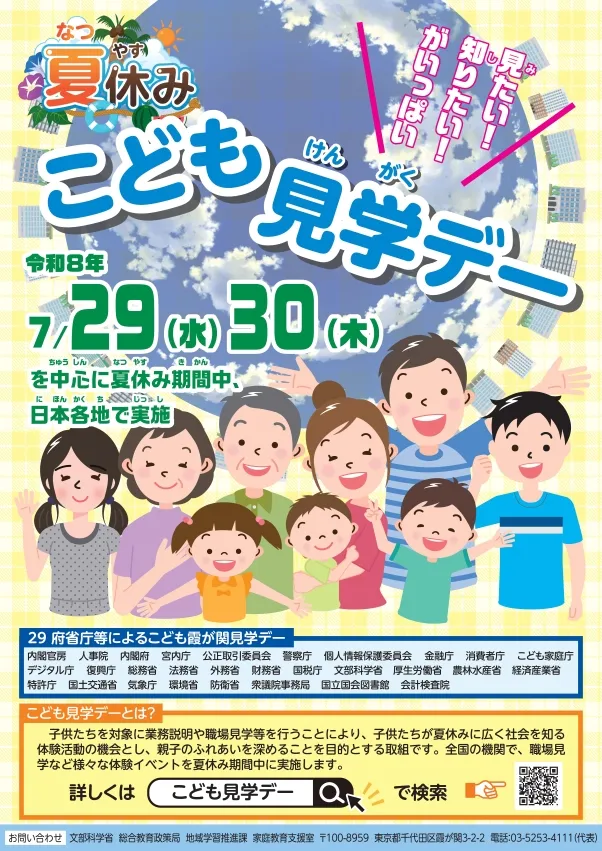
Kasumigaseki Kids’ Day is a large-scale public event held on July 29–30, 2026. It’s open to elementary and junior high school students, preschoolers, and others, generally with a guardian attending alongside them. It’s a good way for parents and children to learn together about society, work, government, and how these connect to daily life, and it’s also a good fit for jiyu kenkyu.
(Source: Kasumigaseki Kids’ Day | MEXT)
What makes this event distinctive is that multiple government ministries and agencies each run their own programs. Alongside in-person sessions, some programs are also planned to be held online, which makes this easier to consider for families concerned about heat or travel.
Why It’s Worth Considering
Because preschool-age children are included in the target audience, this is a public event that works well for families with both a preschooler and an elementary-schooler attending together. That said, age requirements and registration methods differ by ministry, so check the details for whichever specific program you want to attend.
For Jiyu Kenkyu, Try the Theme of “How Society and Daily Life Connect”
Kasumigaseki Kids’ Day suits a research project that looks beyond science experiments, into topics like society, work, institutions, and daily life.
For younger grades, a workable angle is “what kind of work happens in Kasumigaseki”; for middle grades, “how does the ministries’ work connect to my own life”; and for older grades, “pick one theme — children, transportation, the environment, disaster prevention, digital services — and look into it in depth.” Framed this way, it’s easier to turn into a finished project write-up.
Tips for Bringing a Preschool-Age Sibling
If you’re bringing a preschooler along, it helps not to plan on staying for a long stretch from the start. Narrow it down to one or two programs to see, and check ahead of time where you can take breaks and what the route between locations looks like.
Giving the preschooler the job of “find the thing you liked best today” makes it easier for them to feel like part of their older sibling’s project, rather than just tagging along.
Recommendation 2. MEXT Program — For Families Interested in Education, Science, and Culture

The Ministry of Education, Culture, Sports, Science and Technology’s (MEXT) 2026 Kasumigaseki Kids’ Day program is scheduled for July 29–30, 2026, from 10:00 to 16:00. It’s open to elementary and junior high school students, preschoolers, and others, and no entry reservation is required for the MEXT portion itself. Some individual programs, however, require separate registration.
(Source: 2026 MEXT Kasumigaseki Kids’ Day | MEXT)
Themes like education, science, culture, physical activity, architecture, and inquiry-based learning make it easy to find angles that connect to a summer project. It’s also appealing for splitting up activities by age — an older child can focus on project-friendly topics, while a younger preschooler can enjoy physical activities or coloring.
No General Entry Reservation, but Some Programs Still Require Sign-Up
Even though no reservation is needed to enter the MEXT portion, that doesn’t mean every program within it is reservation-free. Popular activities or programs with limited capacity may require separate registration or same-day check-in procedures.
Before attending, check the full program list on the official page and confirm whether the specific programs you want to join require advance registration or can be joined on the day.
For Jiyu Kenkyu, Try the Theme of “How Learning Is Organized”
Because the MEXT program covers themes close to children’s everyday lives — school, science, culture, sports, and inquiry-based learning — it lends itself well to a research project.
Questions like “who decides what gets taught at school,” “what does it mean to protect cultural heritage,” or “what kinds of jobs help spread scientific knowledge” are easy to expand into a write-up once the visit is over.
Recommendation 3. Children and Families Agency Program — Storytelling and Play Make It Easy for Preschoolers to Join Too

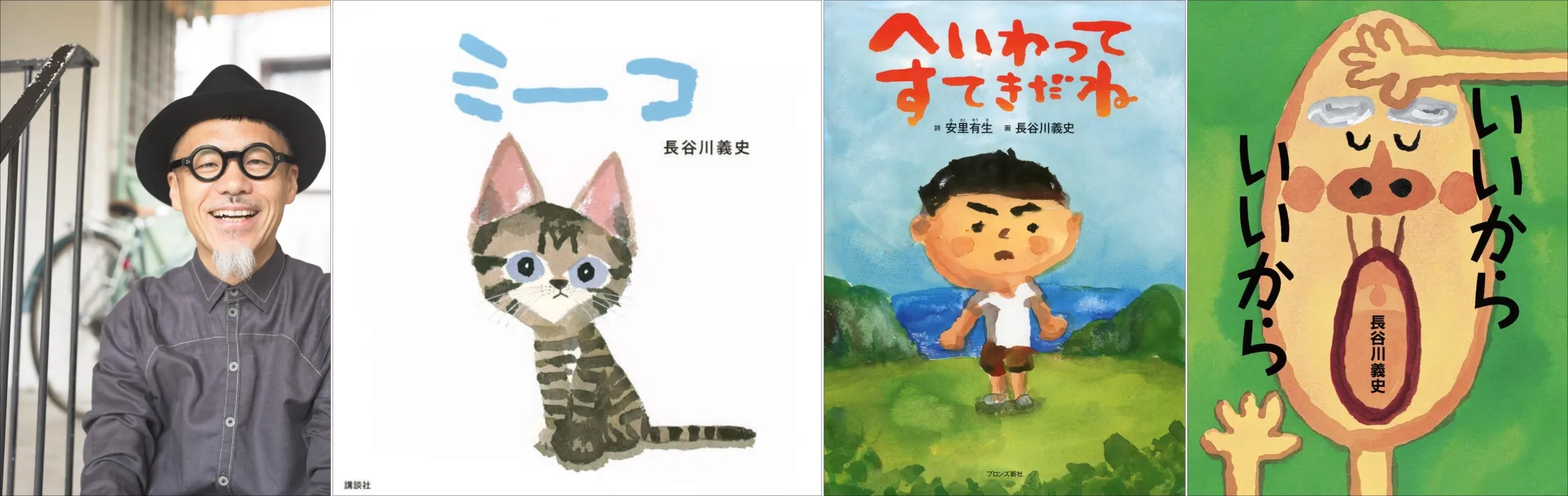
The Children and Families Agency’s 2026 Kasumigaseki Kids’ Day program, held within the Kasumigaseki Building on July 29–30, 2026, includes several activities: storytelling by a certified picture-book specialist, a program letting children experience the kind of play offered at a jidokan (children’s community center), and craft and game activities — content that a preschool-age sibling can enjoy alongside an older child.
(Source: 2026 Kasumigaseki Kids’ Day | Children and Families Agency)
For an elementary-schooler’s jiyu kenkyu, this can develop into themes connected to society more broadly — the Agency’s work, jidokan (children’s community centers), kodomo shokudo (community meal programs for children), or the systems that support children’s rights and welfare.
A Strength: Preschoolers Are Less Likely to Just Be Waiting Around
What’s appealing about the Children and Families Agency program is that it includes activities preschoolers can genuinely take part in alongside everyone else. Storytelling and play experiences work both as material for an elementary-schooler’s project and as a summer experience in their own right for the younger sibling.
Have the older child look into “what kind of work the Children and Families Agency does,” while the younger one talks about “the play I enjoyed,” “the book I liked,” or “the things I found” — this lets siblings split up roles naturally.
For Jiyu Kenkyu, Try the Theme of “Systems That Support Children”
The Children and Families Agency program pairs well with themes related to children’s daily lives and support systems.
Questions like “what kind of place is a jidokan,” “what role does a kodomo shokudo play,” or “where can you go to ask for help when you’re having a hard time” are easy to turn into an accessible social-studies project.
Editor-in-Chief’s Note
When siblings of preschool and elementary age attend an event together, the burden on parents rises sharply if the younger one ends up just waiting around. Events like the Children and Families Agency program, which include storytelling and play, are a valuable option because they let the older child’s learning and the younger child’s participation happen at the same time.
Recommendation 4. Summer Kids’ Chemistry Experiment Show 2026 — An Experiment Event That Translates Directly into Jiyu Kenkyu

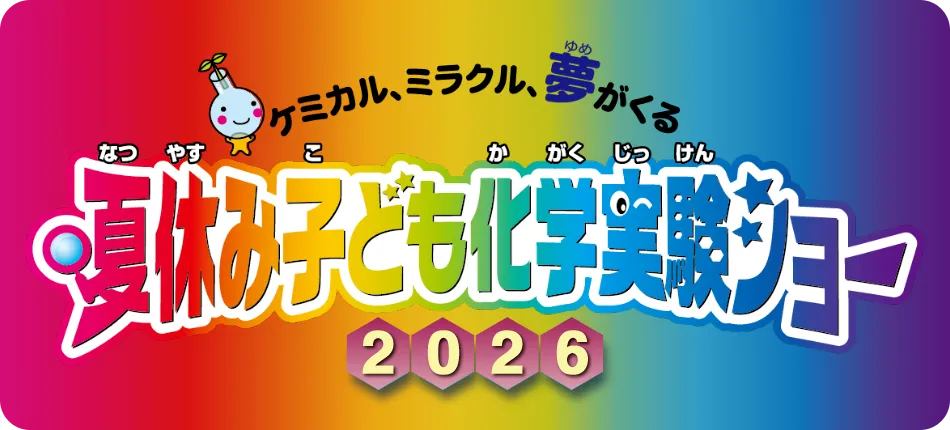
The Summer Kids’ Chemistry Experiment Show 2026 is a chemistry experiment event scheduled for August 1–2, 2026, at the Science Museum. Admission and participation are free, and joining a program requires advance registration. It’s aimed mainly at children from elementary school through junior high, though some experiment sessions are open to preschoolers as well.
(Source: Summer Kids’ Chemistry Experiment Show 2026 | Yume Kagaku-21 Committee)
Chemistry experiments are a genre that pairs particularly well with jiyu kenkyu. Color changes, bubbling, solidifying, reactions to light — these are all phenomena children can observe directly, which makes them easy to capture in photos or observation notes.
Families This Suits
- Families whose elementary-schooler hasn’t picked a research topic yet
- Families with a child who enjoys experiments or hands-on making
- Families looking for an experience that’s easy to write up with photos or observation notes
- Families looking for a free science-related event
For Jiyu Kenkyu, Focus on “Recording the Change”
If you’re turning a chemistry experiment event into a project, the key is recording what changed and how, not just the name of the experiment.
| What to Record | Example Notes |
|---|---|
| Before the experiment | Color, shape, smell, texture, etc. |
| What changed | Color changed, bubbles appeared, it solidified, etc. |
| What seemed surprising | Why did it change? Would this happen at home too? |
| What to look into further | Properties of the materials, links to everyday chemical products, etc. |
If you plan to recreate an experiment from the event at home, though, be careful with how you handle chemicals and equipment. If you do try it at home, always follow safe procedures and avoid forcing a recreation that isn’t appropriate to attempt outside a supervised setting.


Recommendation 5. JAXA Chofu Aerospace Center Summer Event 2026 — For Kids Who Love Space and Aviation


The JAXA Chofu Aerospace Center has a summer event planned for elementary schoolers from August 5–7, 2026. Programs are split by grade level — younger, middle, and older grades — and cover topics such as how airplanes fly, the traits animals share with aircraft, and the work of researchers.
(Source: JAXA Chofu Aerospace Center Summer Event 2026 | JAXA)
For a child interested in space or aviation, a JAXA event has some real appeal. Rather than leaving it at “I just like airplanes,” pushing further into why planes fly, what kind of research is being done, and what a researcher’s job actually looks like helps deepen it into a proper jiyu kenkyu project.
Content Differs by Grade Level
The JAXA Chofu Aerospace Center Summer Event 2026 covers different content for younger, middle, and older grades. Younger grades focus on how airplanes fly and paper-craft activities; middle grades cover animal traits and aircraft research; and older grades include highlights of aircraft presented by researchers themselves.
Because the content is designed by grade level, it’s easier to match something to your child’s level of understanding — but if siblings of different ages are attending together, make sure to check the target grade and any conditions for accompanying family members.
For Jiyu Kenkyu, Work Through “Why Do Planes Fly?” Together
If you’re turning an aviation-themed event into a project, questions like “why do airplanes fly,” “what does the shape of the wing mean,” or “how are animal traits applied in machines” are easy to build a write-up around.
If a preschooler is along, there’s no need for them to follow a complicated explanation. Just looking at paper airplanes or paper-craft models and talking about “which shape they like” or “which part looks coolest” is enough to add as a family reaction alongside the older child’s project.
Recommendation 6. Kyoto University Parent-Child Science Workshop — For Elementary Schoolers Who Want to Go Deep on Insect Observation

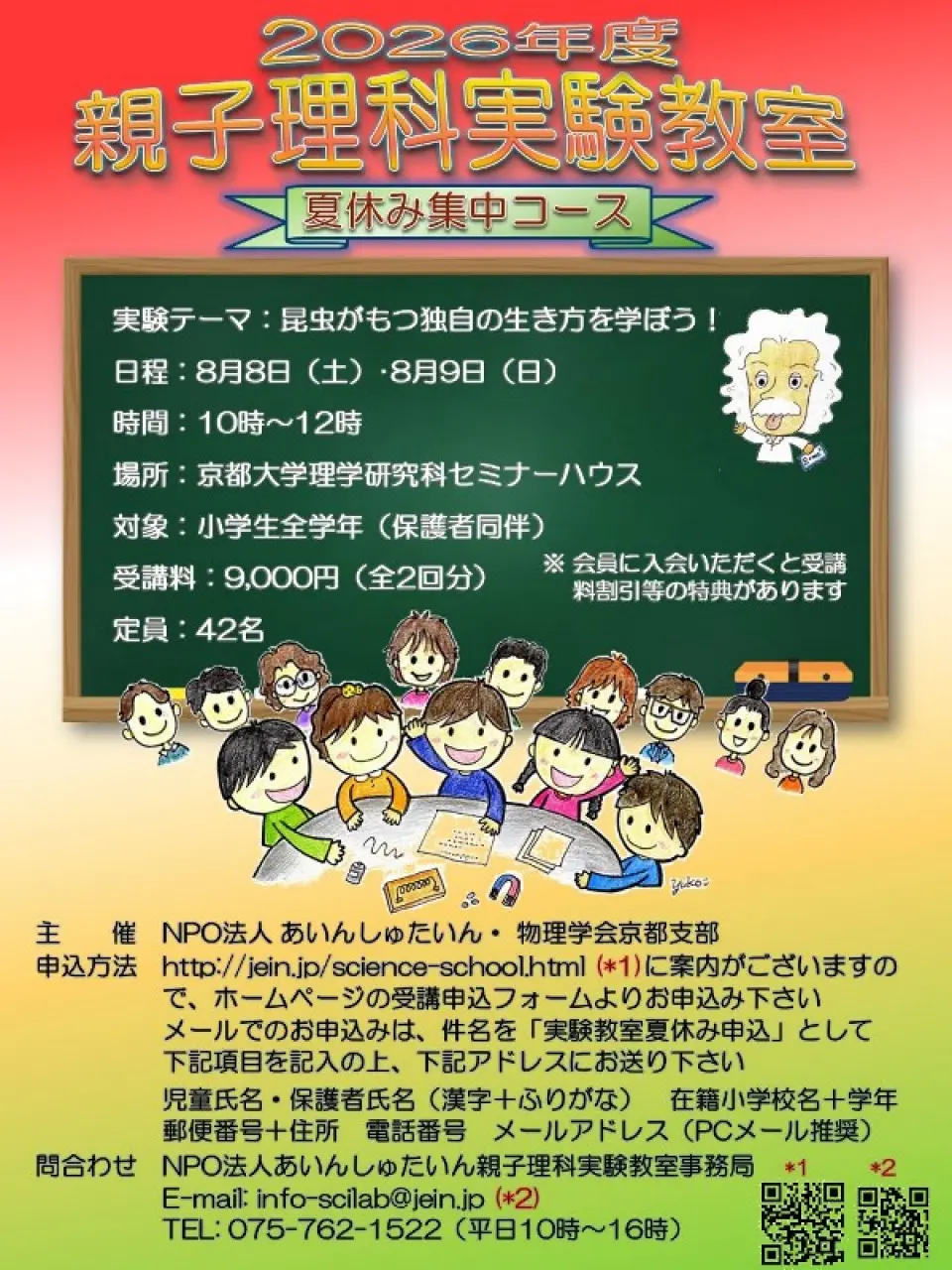
Kyoto University has announced its “2026 Parent-Child Science Workshop (Summer Intensive Course),” scheduled for August 8–9, 2026. The program covers observing insects and learning how pheromones work, making it a good fit for elementary schoolers who already enjoy science and want to go deeper into a topic.
(Source: 2026 Parent-Child Science Workshop (Summer Intensive Course) | Kyoto University)
According to the organizer’s information, the program is open to children in elementary grades 1 through 6, and the participation fee is paid. Fees, capacity, and registration conditions may change, so check official information before attending.
(Source: 2026 Parent-Child Science Workshop (Summer Intensive Course) | NPO Einstein Network of Intellectual Human Resources)
Easy to Develop into an In-Depth Jiyu Kenkyu Project
Kyoto University’s Parent-Child Science Workshop covers insect collection, observation, pheromones, and comparative experiments — content that gives you both the “question” and the “record-keeping” that a solid research project needs.
Rather than stopping at “we watched some insects,” it can develop into questions like “what attracts insects” or “how do they sense the world differently from humans” — which suits middle- to upper-grade inquiry work as well.
Always Confirm in Advance Whether a Preschool-Age Sibling Can Attend
University and research-institution events sometimes have detailed age requirements or conditions for accompanying family members, due to the venue or the nature of the experiment content. If you want to bring a preschool-age sibling, always confirm whether that’s allowed before registering.
There’s no need for a preschooler to understand the same content in the same depth, but you can still create a way for them to take part at home — drawing pictures of the insects, describing the colors of the bugs they saw, or picking their favorite moment.
Recommendation 7. Kidsweekend Summer Online Research Festival — A Free Online Course You Can Join from Home


Kidsweekend’s “2026 Summer Online Research Festival” is an online jiyu kenkyu event running from July 1 to August 31, 2026. According to the official page, all courses are free to join, and each requires advance registration along with a Zoom setup.
(Source: 2026 Summer Online Research Festival | Kidsweekend)
Online courses are a practical option for families on days when going out is difficult, or who live too far from in-person venue events to attend easily. Given the heat, a younger sibling’s nap schedule, a parent’s work, and travel costs, being able to join a learning activity from home carries real weight.
Don’t Let an Online Course End at “Just Watching”
To turn an online course into an actual jiyu kenkyu project, it helps to decide beforehand what you want to come away with.
| Course Content | Example Research Output | What a Preschooler Can Do Alongside |
|---|---|---|
| Science course | Diagram of how it works, experiment notes | Draw a picture of what appeared |
| Environment course | List of actions you can take at home | Talk about things they found around the house |
| Food education course | Food observation chart, parent-child recipe notes | Pick their favorite food |
| Work/society course | Notes on jobs researched, questions to ask | Pick a tool or person that made an impression |
If a child only watches, the result can end up thin as a research project. Adding the child’s own notes, impressions, anything they looked into afterward, and photos or diagrams makes it easier to put together as a finished submission.
Why It Works Well When You Have a Preschooler at Home
With an online course, a preschooler can draw pictures or pick out things they like while an older sibling watches and learns on screen. Compared to an in-person venue event, it’s easier to pause for breaks, and easier to fit to your family’s own pace.
Rather than “listening,” a preschooler tends to do better with roles like “drawing,” “talking,” and “choosing.” Instead of expecting the same level of understanding as the elementary-schooler, creating a way for them to participate alongside makes it manageable for both siblings.

Comparison Table: How to Choose Among 2026 Summer Events
For summer 2026 parent-child events, it’s more realistic to compare them by whether they fit your family than simply by date.
For families with a preschooler and an elementary-schooler in particular, it helps to look at age range, whether a preschool sibling can attend, registration deadlines, online availability, and heat precautions all together.
| What You Want | Events That Fit | Good For |
|---|---|---|
| Free to attend | Kasumigaseki Kids’ Day, MEXT Program, Children and Families Agency Program, Chemistry Experiment Show, Kidsweekend | Families who want more experiences without spending more |
| Bringing a preschool-age sibling along | Kasumigaseki Kids’ Day, Children and Families Agency Program | Families with a preschooler and an elementary-schooler |
| Wanting to link directly to jiyu kenkyu | Chemistry Experiment Show, JAXA, Kyoto University, Kidsweekend | Families who want to nail down a concrete homework topic |
| Avoiding heat or long travel | Kidsweekend Summer Online Research Festival | Families who want a learning option even on days going out isn’t practical |
| Learning about society and work | Kasumigaseki Kids’ Day, MEXT, Children and Families Agency | Families wanting to expand into social-studies or career-research topics |
| Going deeper into science | Chemistry Experiment Show, JAXA, Kyoto University | Families with a child who enjoys experiments, observation, and research |
Tips for Attending With a Preschool-Age and Elementary-Age Sibling
When a preschooler and an elementary-schooler attend a summer event together, it helps not to try to get them to understand the same thing at the same depth.
Splitting roles — the older child as “the researcher,” the younger one as “the observer” — makes it easier for both the jiyu kenkyu project and the preschooler’s own experience to happen at once.
Make the Older Child “the Researcher” and the Younger One “the Observer”
Give the older child roles like listening to explanations, taking notes, asking questions, and choosing photos. For the younger preschooler, roles like picking out what they saw, talking about what they liked, drawing pictures, or putting on stickers tend to work better.
| Child | Role | Example Prompt |
|---|---|---|
| Elementary-schooler | Researcher | Try picking one theme for today |
| Elementary-schooler | Record-keeper | Keep an eye on what changed, so you can write about it later |
| Preschooler | Observer | Which one did you like best? |
| Preschooler | Reactor | Tell me about the part you enjoyed |
Editor-in-Chief’s Note
A summer event with siblings doesn’t need to give each child an identical experience. Children of different ages take away different things from the same event. What matters is not setting it up so one sibling ends up having to just put up with it. Split it into “the older one researches, the younger one observes,” and it takes some of the pressure off the parents too.
Write Up Jiyu Kenkyu Notes Within 30 Minutes of Getting Home
After attending an event, jot down notes as soon as you reasonably can once you’re home. On tiring days, even 10 minutes is enough.
| Note Item | What to Write |
|---|---|
| Where you went today | Event name, venue, date |
| What you saw | Exhibits, experiments, crafts, explanations |
| What surprised you | What surprised your child |
| What you want to know more about | The research question |
| The preschooler’s comment | What they liked, what stuck with them |
| Photos | Pick around three |
Notes on your phone are fine too. Keeping your child’s own words as they said them makes it easier to turn into a finished write-up later.
Heat and Safety Check Before Attending a Summer Event
For in-person summer events, it’s worth checking not just what’s appealing about the content, but also the heat, travel, wait times, and where you can take breaks.
The Ministry of the Environment’s heatstroke prevention information site provides data on the WBGT heat index and heatstroke warning alerts. On days you’re attending an outdoor event, check the heat index alongside the weather forecast, and it’s fine to change plans if your child’s condition seems off.
(Source: Heatstroke Prevention Information Site | Ministry of the Environment)
The Ministry of Land, Infrastructure, Transport and Tourism’s 2026 Kasumigaseki Kids’ Day page also advises against arriving too early, since there may be waiting involved under direct sun. For in-person venue events generally, it’s more realistic to plan a route that makes it easy to take breaks than to line up early before the doors open.
(Source: 2026 Kasumigaseki Kids’ Day: MLIT Program | Ministry of Land, Infrastructure, Transport and Tourism)
Pre-Attendance Checklist
- Does the age range suit your child?
- Can a preschool-age sibling attend or observe?
- Have you checked registration or lottery deadlines?
- Is there a chance of a long outdoor wait?
- Is the travel time to the venue too long?
- Is it easy to hydrate and take breaks?
- Have you checked where to find lunch and restrooms?
- If it’s online, have you set up Zoom or the equivalent?
- Have you decided what to record for jiyu kenkyu?


FAQ: Common Questions About 2026 Summer Events and Jiyu Kenkyu
Here are straightforward answers to the questions parents often find themselves weighing at the last minute — age range, registration, joining online, bringing a preschool sibling, and heat precautions.
- Q1. Which 2026 summer parent-child event should we consider first?
- A. If you’re looking for a free, public event, Kasumigaseki Kids’ Day, the MEXT Program, and the Children and Families Agency Program are good candidates. If you want something that connects directly to jiyu kenkyu, the Summer Kids’ Chemistry Experiment Show, the JAXA Chofu Aerospace Center summer event, the Kyoto University Parent-Child Science Workshop, and Kidsweekend’s online research festival are also worth considering.
- Q2. Are there summer events a preschooler can attend too?
- A. Yes. Kasumigaseki Kids’ Day lists elementary and junior high school students, preschoolers, and others as its target audience. That said, conditions differ by ministry and by program, so check the official page for whichever specific content you want to attend.
- Q3. Can we go to Kasumigaseki Kids’ Day without registering in advance?
- A. No entry reservation is listed as required for the MEXT portion, but some individual programs need separate registration. Other ministries and agencies may also run programs that require advance sign-up or a lottery, so always check per program.
- Q4. Can an online course alone count as jiyu kenkyu?
- A. An online course can be a starting point. On its own, though, just watching may not be enough. Adding your child’s own notes, impressions, follow-up research, and photos or diagrams makes it easier to put together as a finished project.
- Q5. Are there any free jiyu kenkyu events?
- A. Yes. Kasumigaseki Kids’ Day, the Summer Kids’ Chemistry Experiment Show, and Kidsweekend’s online research festival are all free-to-attend candidates. Some may still require advance registration or a lottery, so check the registration conditions.
- Q6. Should we avoid in-person events on extremely hot days?
- A. If you’re concerned about your child’s condition or the heat, it’s fine to decide not to push through with attending. Check the heat index and any heatstroke warning alerts, and consider switching to an online course or an indoor event instead.
- Q7. How should we choose an event if our children have a big age gap?
- A. Choosing an event where the older child can research while the younger one can take part through observation or reactions tends to work without straining anyone. There’s no need to have both children understand the same content at the same depth.
- Q8. After attending, what should we keep for the jiyu kenkyu write-up?
- A. Keep around three photos, a comment from your child in their own words, three things they noticed, and one thing they want to look into further. That’s already enough material to develop into an observation note or experience report.
Summary: One or Two Picks from This List of 7 Are Enough for Summer 2026
For summer 2026, parent-child events worth considering include Kasumigaseki Kids’ Day, the MEXT Program, the Children and Families Agency Program, the Summer Kids’ Chemistry Experiment Show, the JAXA Chofu Aerospace Center summer event, the Kyoto University Parent-Child Science Workshop, and Kidsweekend’s online research festival — all workable options for learning together as a family.
You don’t need to attend all of them, though. Looking at free vs. paid, age range, whether a preschool sibling can attend, registration deadlines, online availability, and heat precautions, choosing one or two that fit your household is enough.
Keep the elementary-schooler’s jiyu kenkyu as the main focus, while giving the preschooler ways to look, choose, and talk alongside them. Set up that way, a summer event stops being “a schedule parents have to push through” and becomes time the whole family brings a question home from.
TamagoDaruma’s Take
Finishing a polished research project isn’t the only goal. The moment a child sees something and thinks, “wait, why does that happen?” — summer learning has already started. Rather than trying to fit in as many events as possible, what matters more is that the whole family can come home without anyone being worn out.
The event information in this article is based on publicly available information from each official page. Program content, age ranges, registration deadlines, participation fees, capacity, and online availability may change. Before deciding to attend, always check the latest official information.


![Water Play Spots Near Tokyo for Babies and Toddlers [2026]](https://en.tamagodaruma.com/wp-content/uploads/2026/06/tokyo-water-play-450x253.webp "Water Play Spots Near Tokyo for Babies and Toddlers [2026]")

![[Spring Break 2026] 8 Best Family Outing Spots in Japan: Inclusive Parks & Hidden Gems](https://en.tamagodaruma.com/wp-content/uploads/2026/03/intro_view-450x300.webp "[Spring Break 2026] 8 Best Family Outing Spots in Japan: Inclusive Parks & Hidden Gems")